

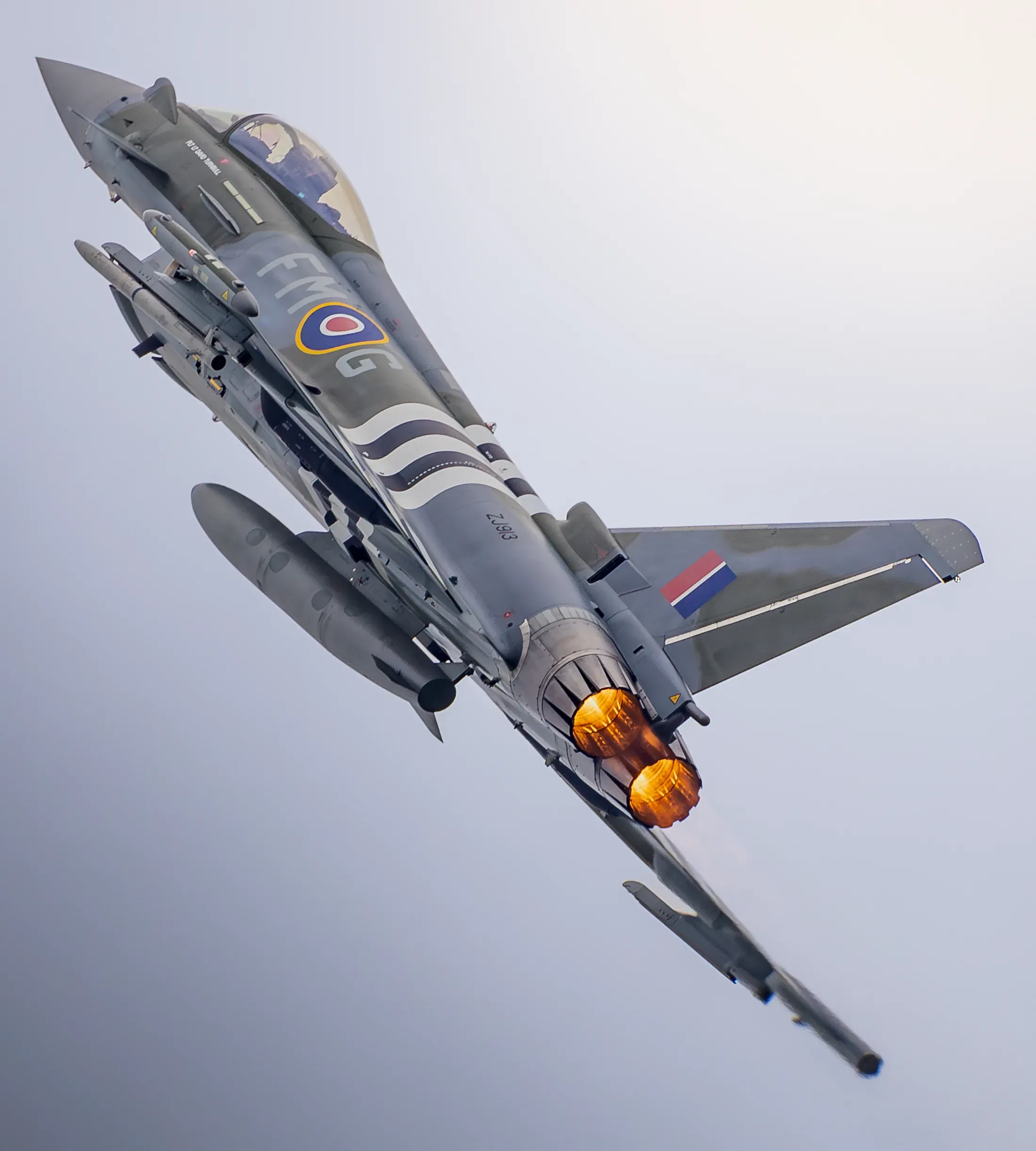
Aerospace
- Avionics housings
- Cockpit instrumentation
- Seals & bearing housings
- Fixtures & fittings
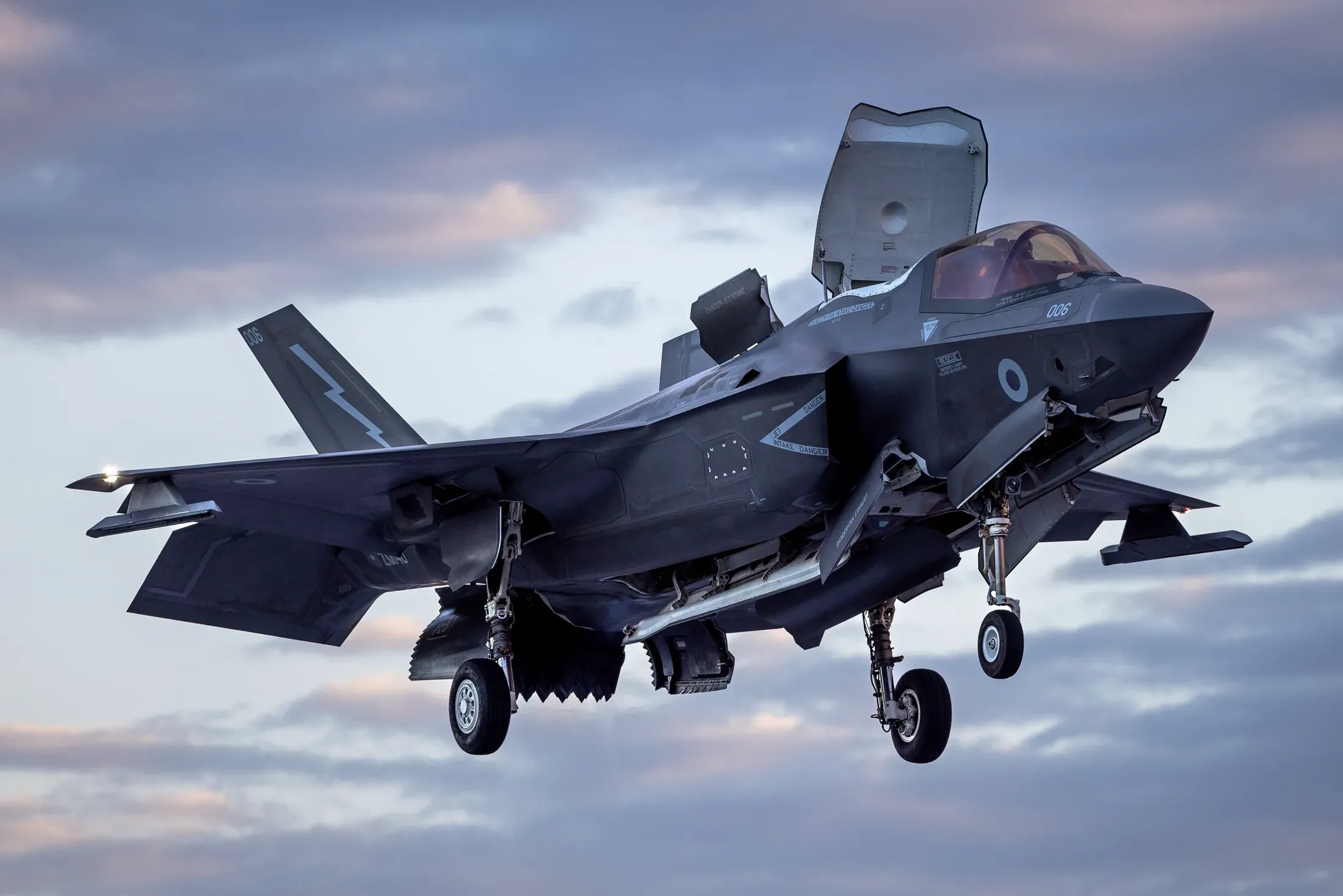
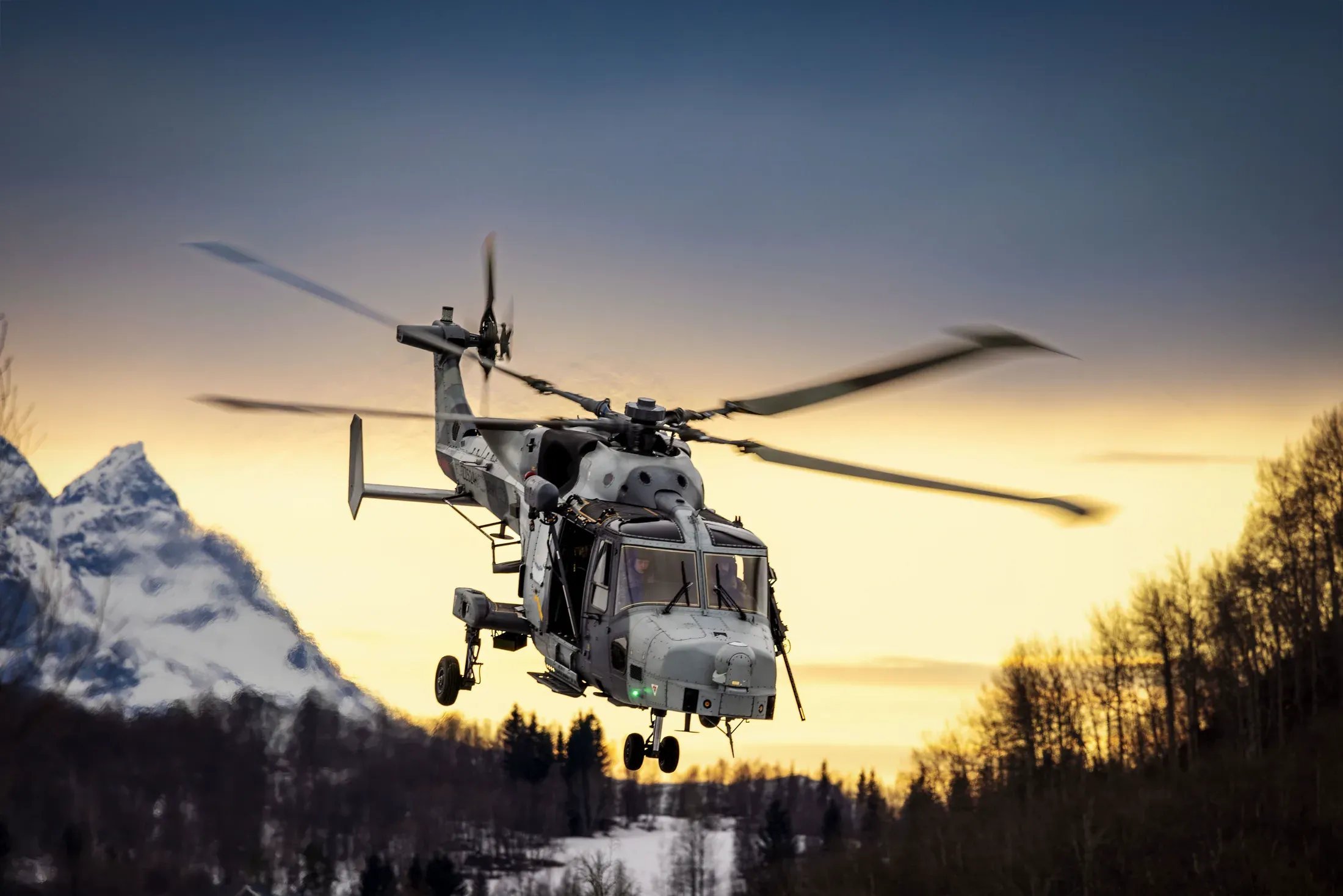
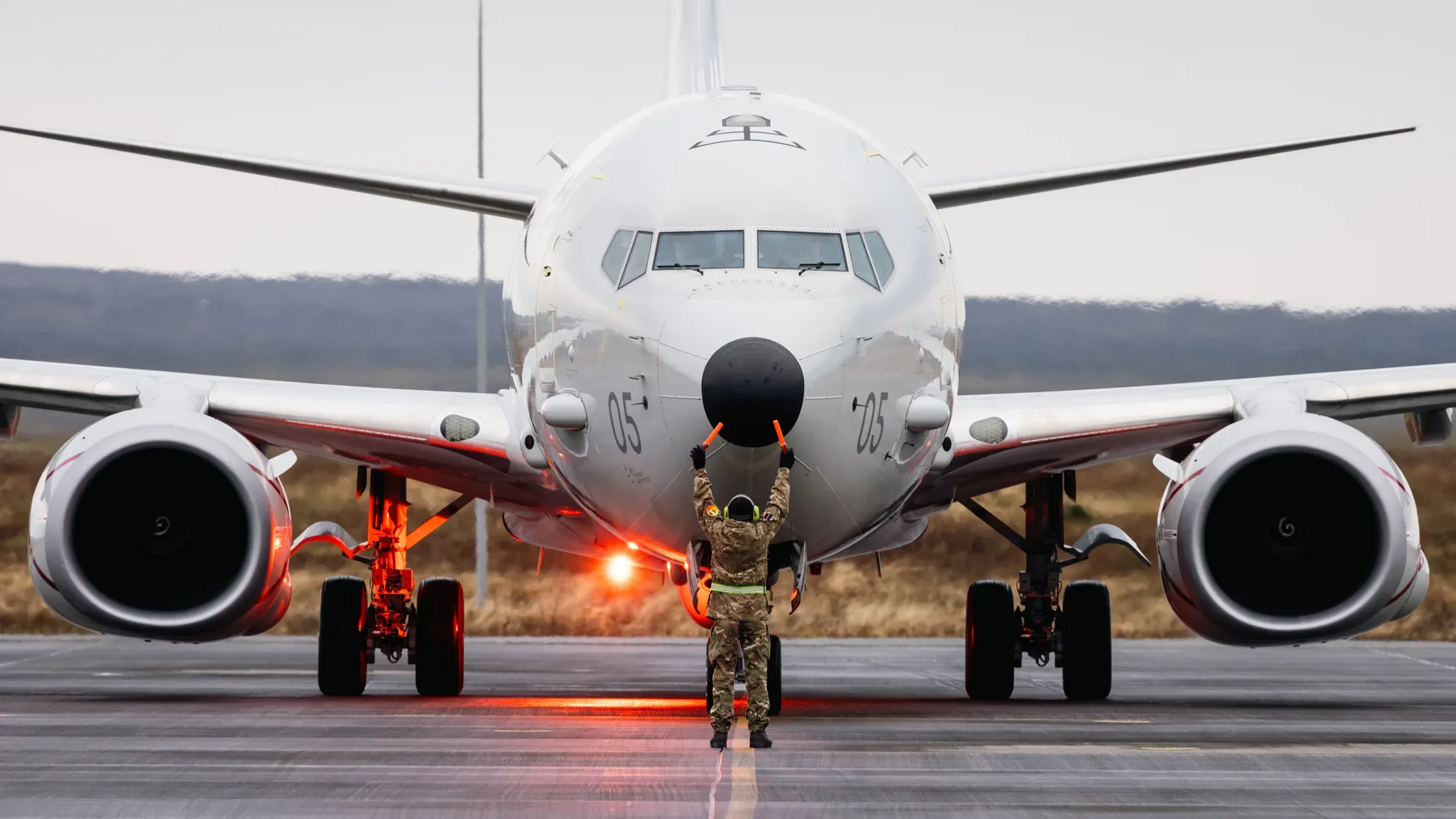
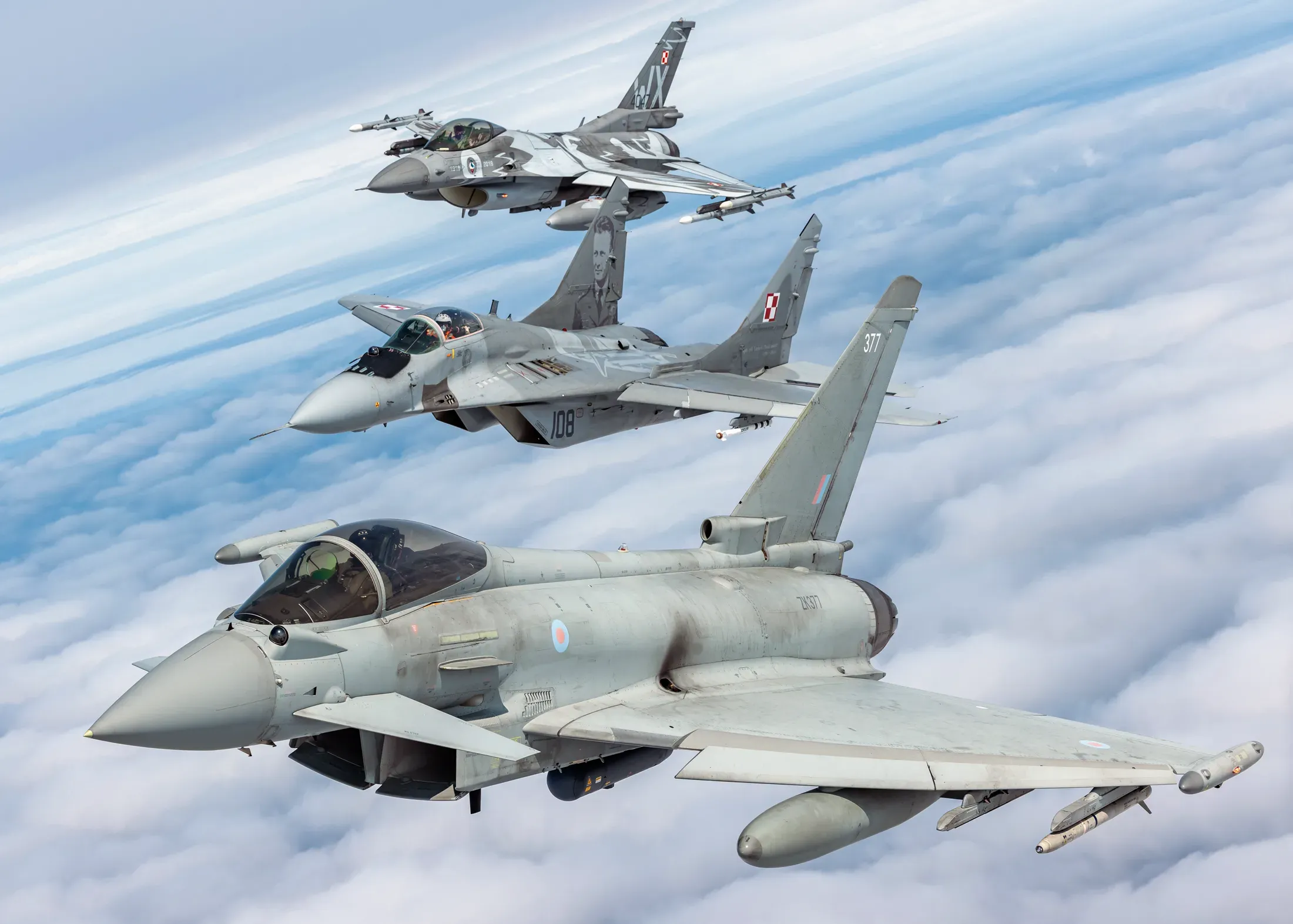

Flight-critical precision components machined to exacting tolerances, with rigorous, CMM-verified inspection and full traceability.



Aerospace & Defence
In
brief
Milltech machines flight-critical and defence-grade precision components in Norwich, UK — to tolerances as tight as ±0.005 mm, CMM-verified, under an ISO 9001:2015 quality system with full material and process traceability. JOSCAR registered and Cyber Essentials Plus certified, we bring the documentation and rigour aerospace and defence programmes demand.
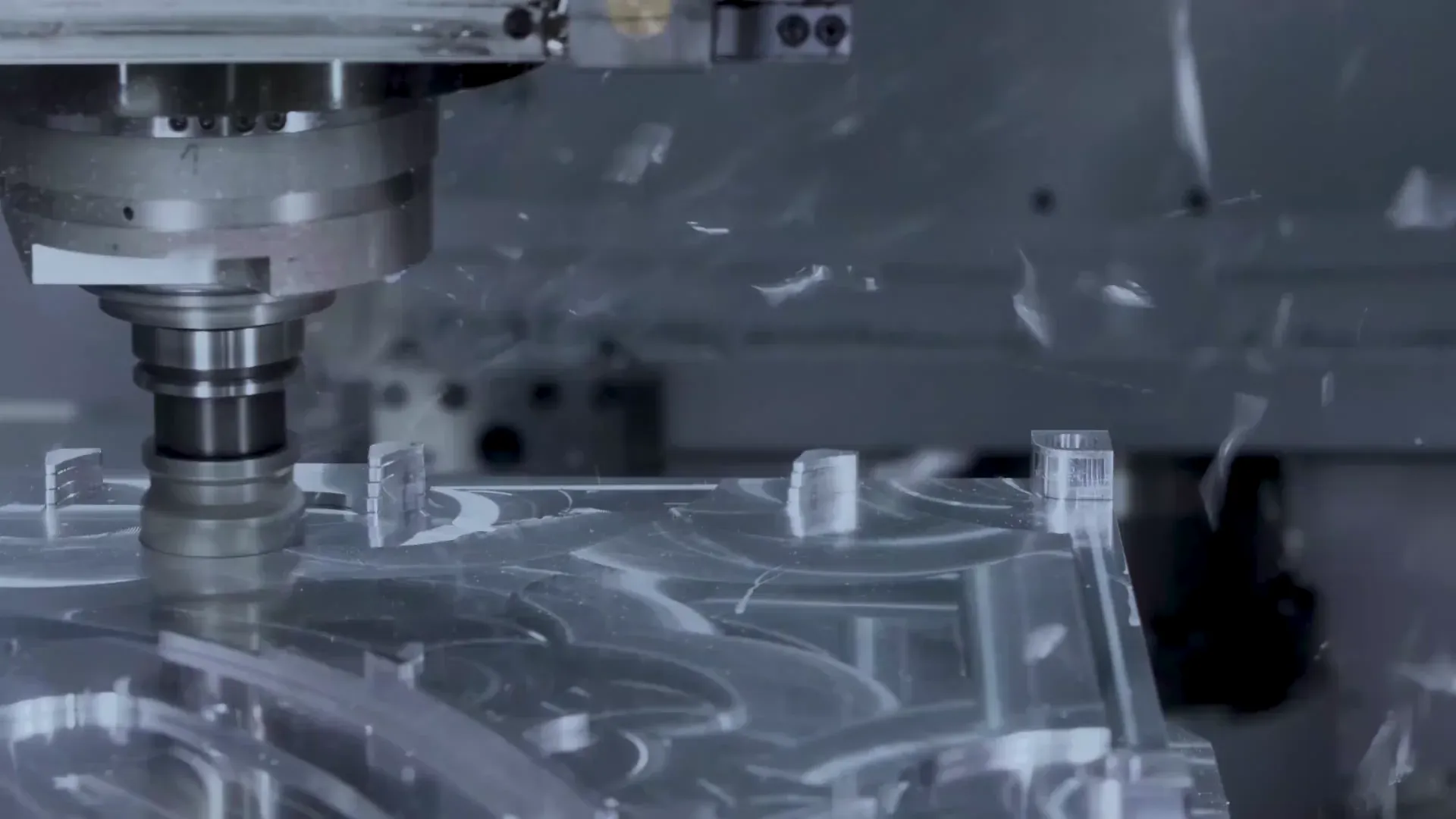
On the floor
Aerospace & Defence parts, machined in Norwich
JOSCAR · CMM inspection
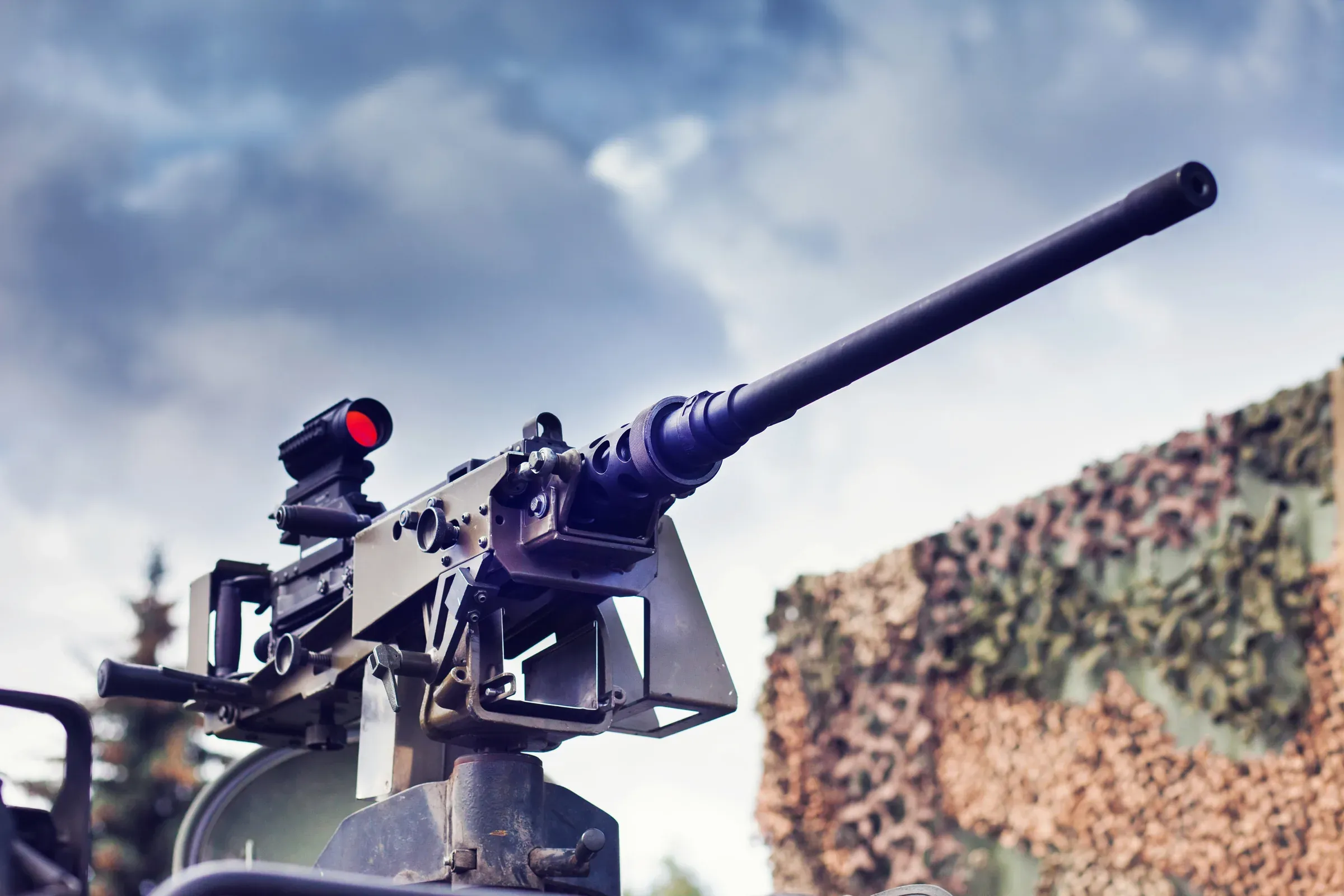 D-01 · Aerospace & Defence
 Overview
Aerospace and defence work leaves no room for deviation. Our Aerospace & Defence division pairs a deep multi-axis fleet with an ISO 9001:2015 quality system and full CMM inspection, so flight-critical and defence components arrive to specification, with the traceability these sectors demand. We supply First Article Inspection Report (FAIR) document packs and PPAP-controlled processes where programmes require them. We also manufacture components for weapon systems, and hold a firearms licence to manufacture and stock critical weapon components.
Assurance
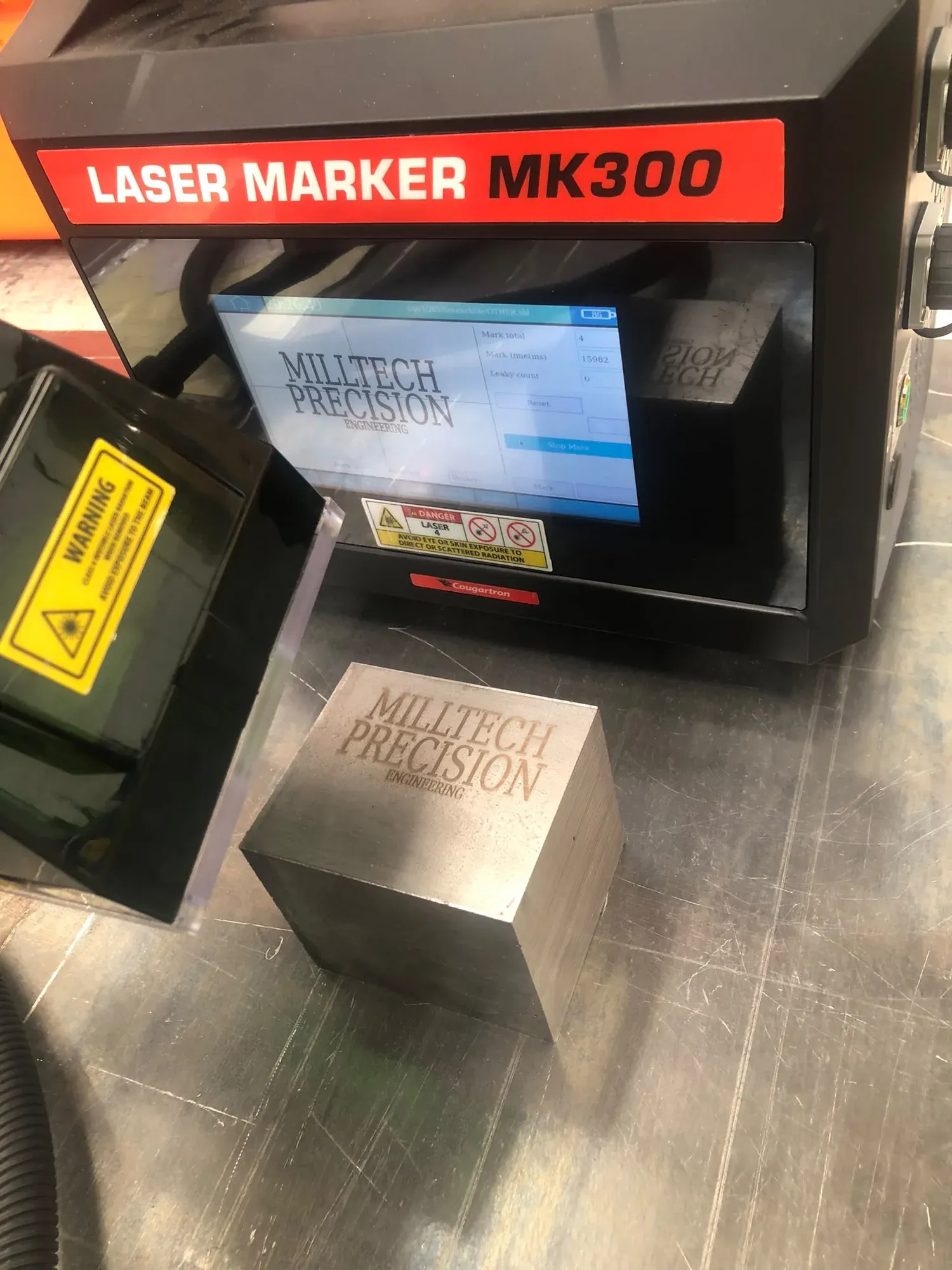
Full traceability
Aerospace and defence programmes demand a documented chain of custody for every part. We laser-etch each piece of stock with its trace code and colour-code it by grade — so the right alloy is picked every time, and material certificates, CMM records and controlled documentation tie back to the finished component, ready for the FAIR and PPAP packs these programmes require.
What full traceability means in machiningRepresentative components
Examples includeSpecification
Every Aerospace & Defence component runs through the same measured process — the right machine, the right material, verified against drawing before it leaves the floor.
Traceability
Full material & process traceability
Inspection records and controlled documentation available where required.
Materials
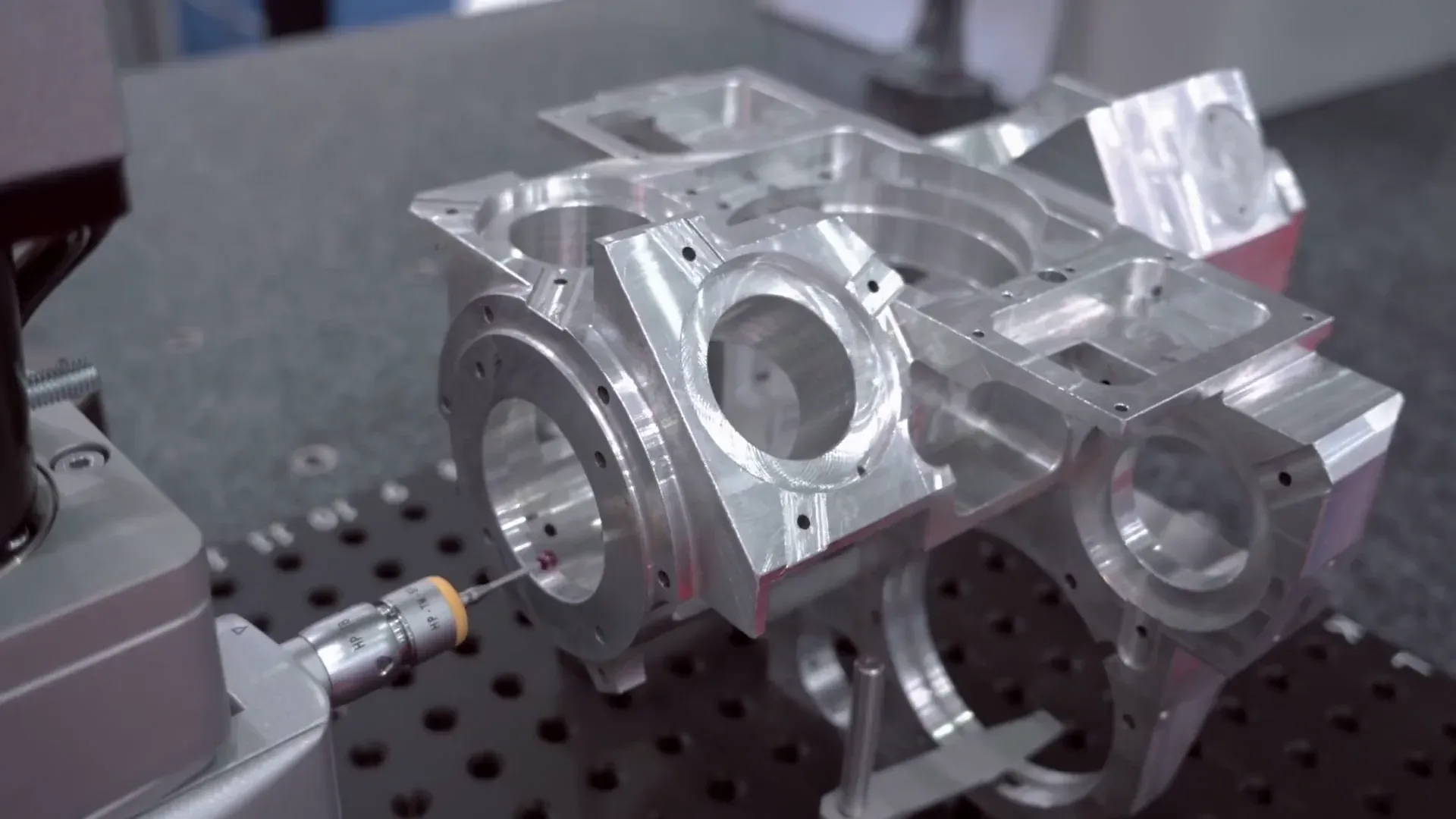
Inspection
Verified against drawing, before it leaves the floor
CMM VERIFIED
Industries we serve
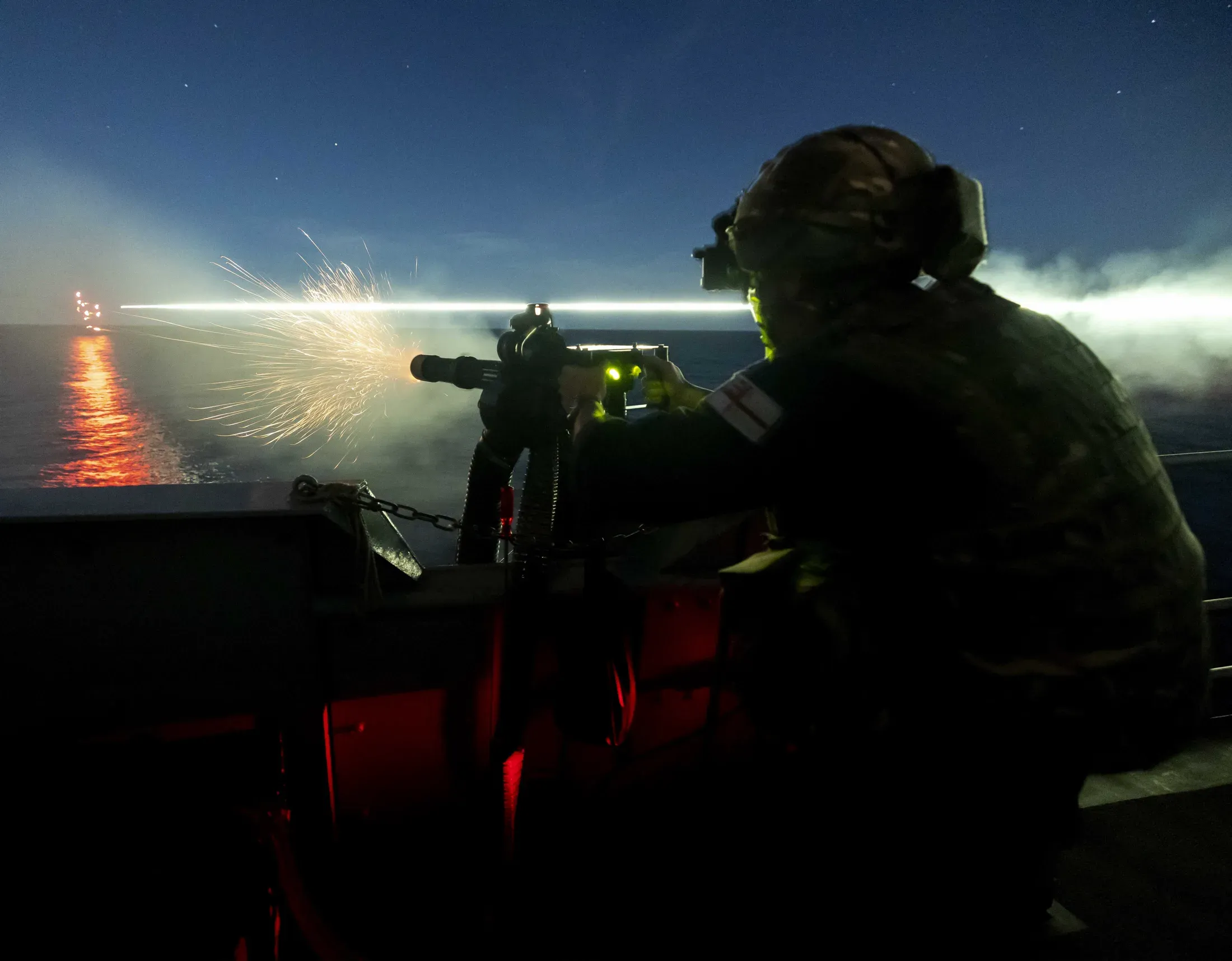
Capabilities in this division
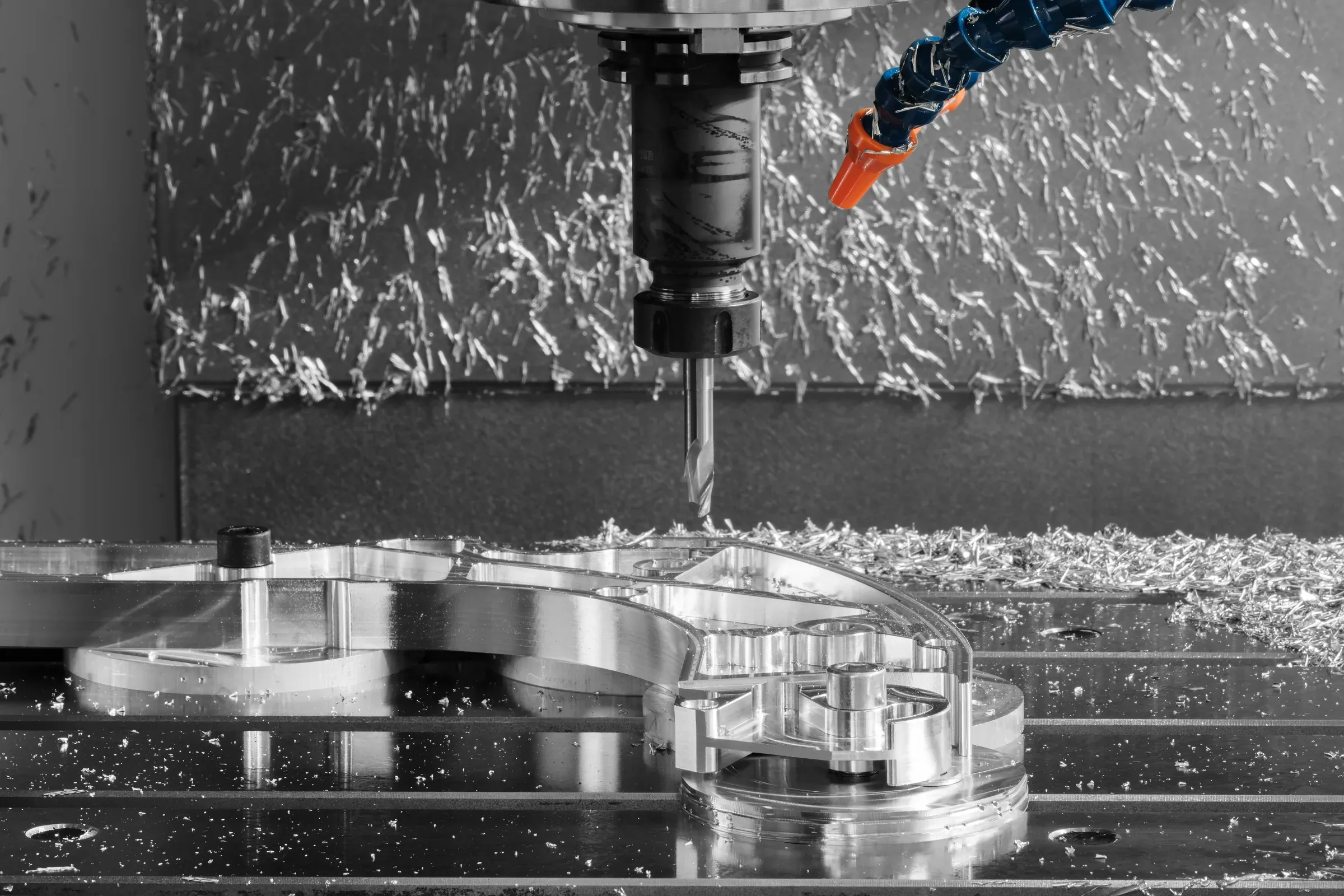
3, 4 and 5-axis milling with a deep multi-pallet fleet for prototypes through to volume.
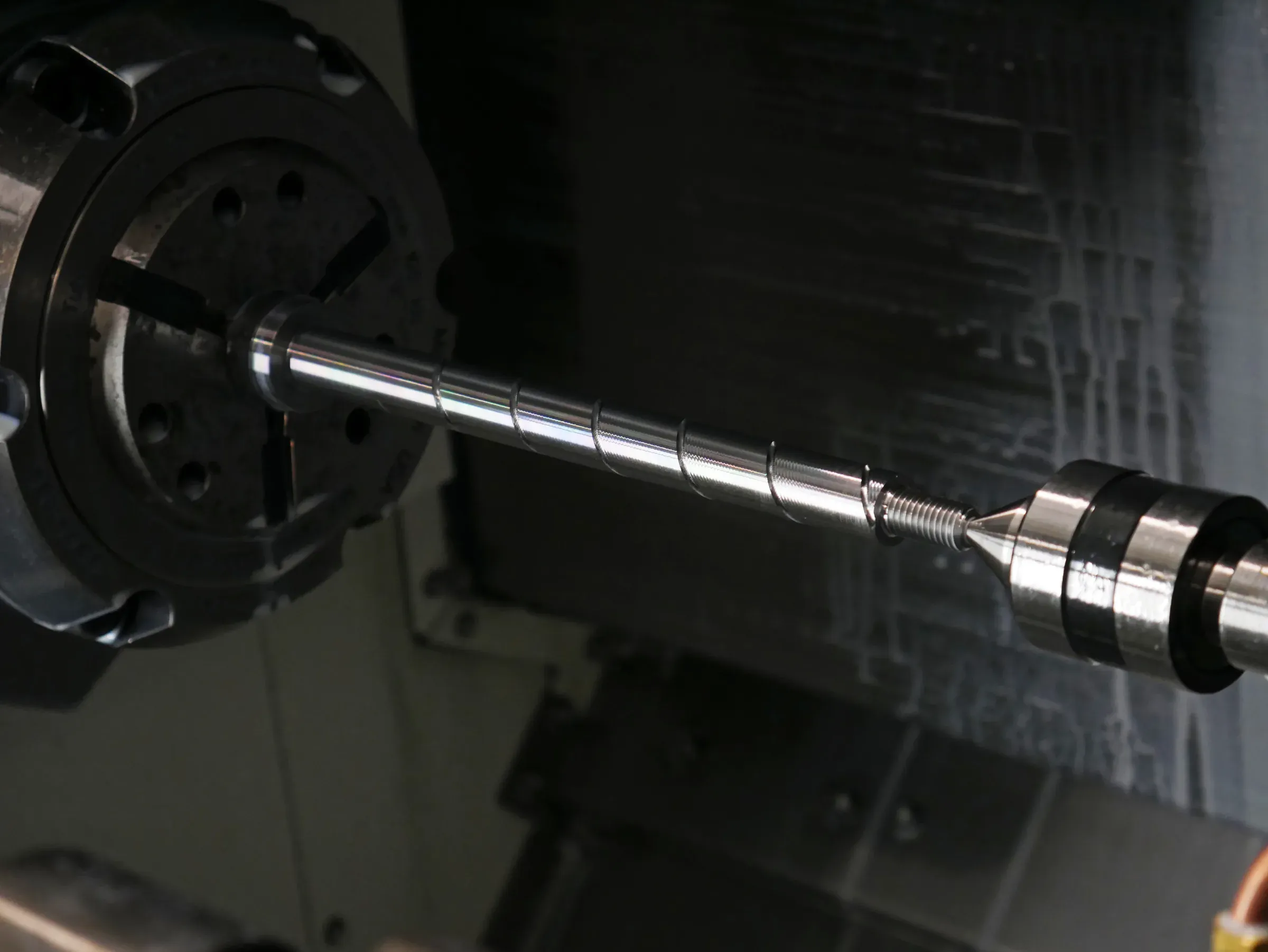
Cylindrical and complex turned components to ±0.005 mm, CMM-inspected.
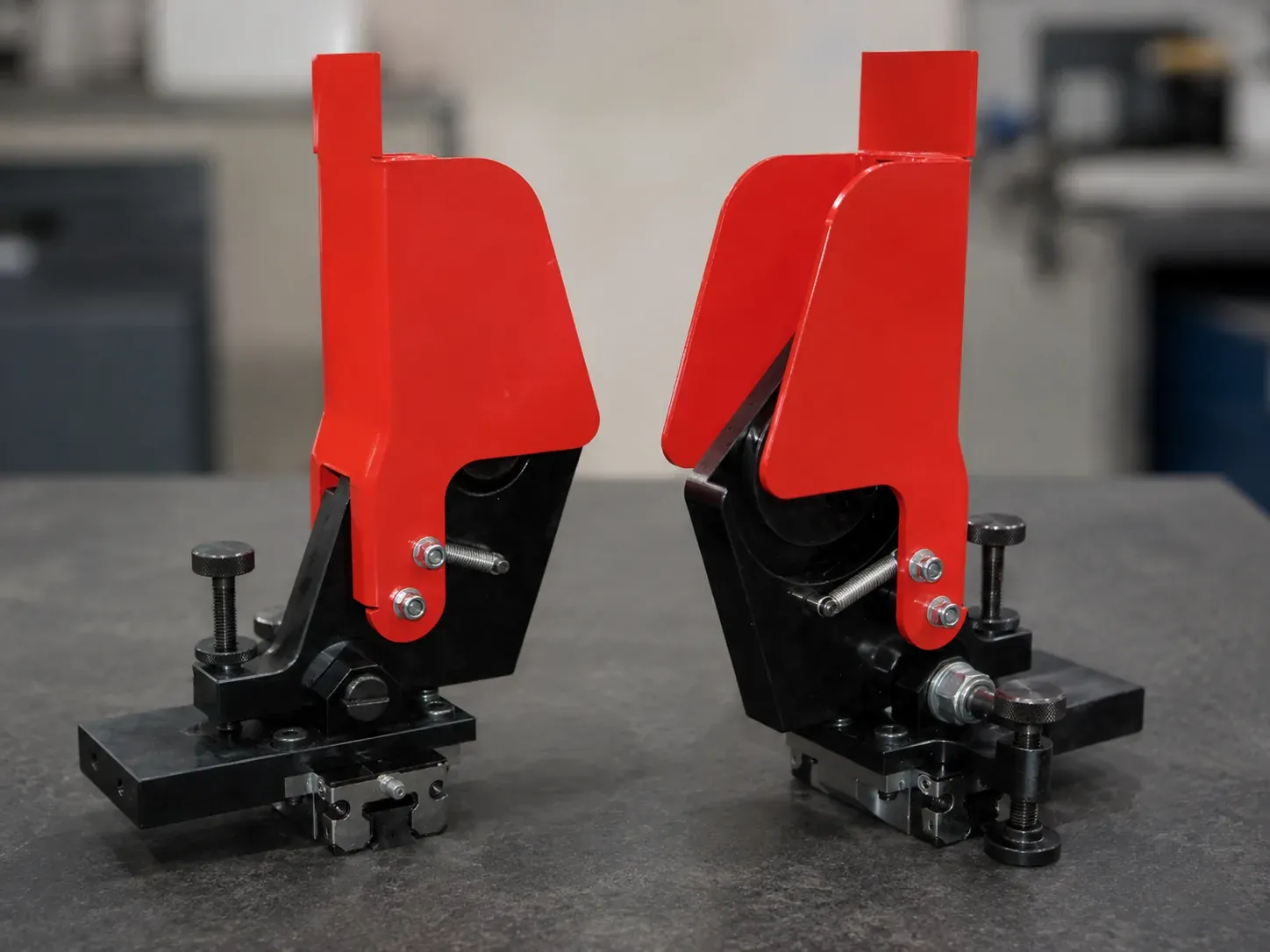
Part or full assembly delivered to you or your end customer, including Assemble-To-Order.
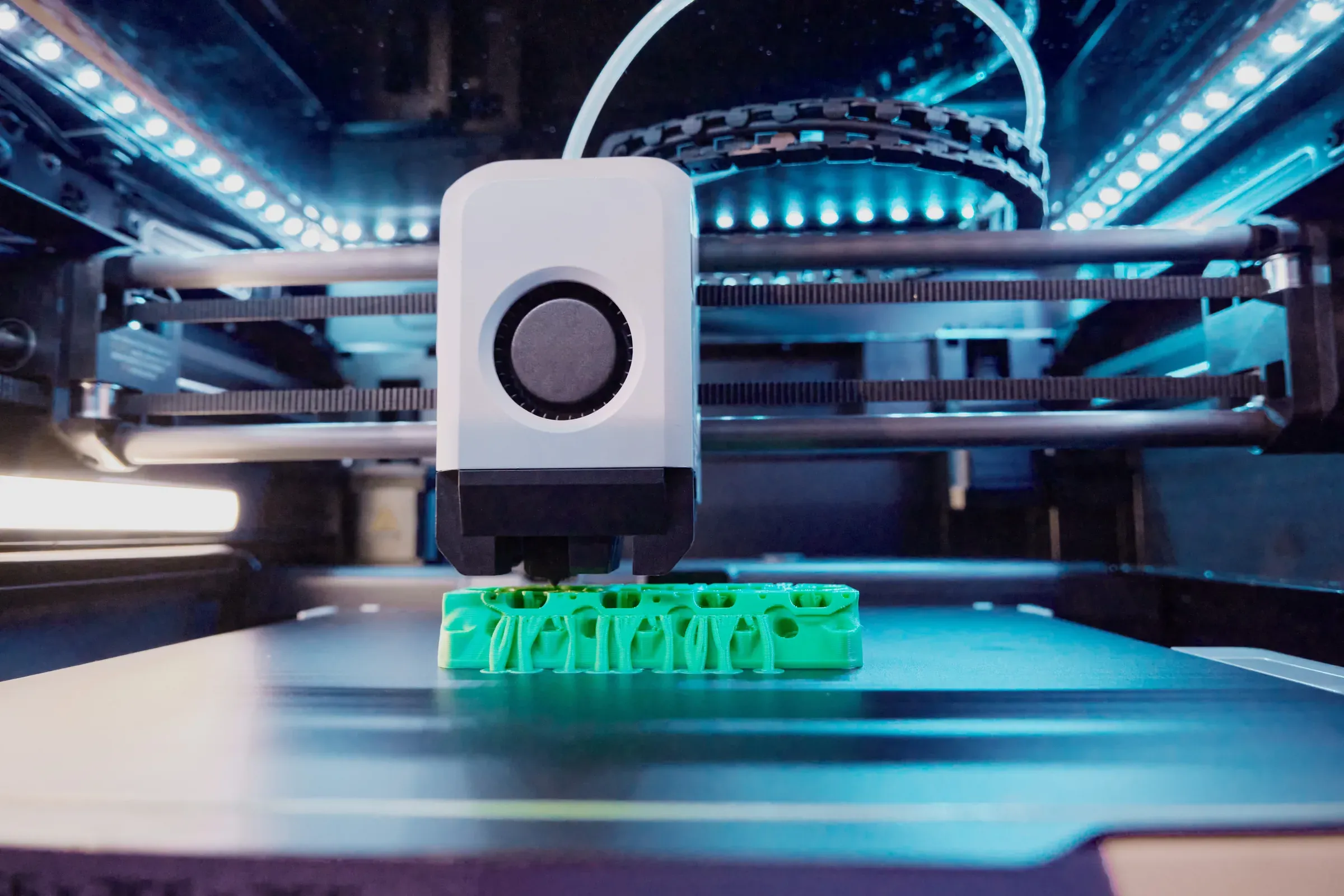
In-house 3D printing — rapid-turnaround prototypes and bespoke packaging for finished parts.
Accreditations
Quality work for aerospace & defence is backed by an independently-audited system.
Our quality management system is approved by LRQA to ISO 9001:2015. Scope: the provision of precision machining and contract CNC machining to customer specifications, together with the associated assembly of products.
LRQA · Approval no. ISO 9001–0006386 · first approved 2009
Certificate (PDF)Independently certified



Inspection & QA
Quality doesn't have to be demanded by our customers — it's an integral element of every process. Components are verified against specification, not assumed to conform.
Coordinate measuring machines verify components against specification in our dedicated test & inspection facility.
Every job is tracked live through Tricorn® ERP — from raw bar through machining to dispatch.
The quality system is under constant review by every member of staff. Quality is built in, not demanded.
All components and finished products are inspected to conform — every batch, every time, before they ship.
How we work
A simple, traceable route from drawings and material specs to inspected finished components.
Send drawings, quantities, materials and finishes through one form.
Our team reviews and returns a competitive quote and lead time — typically within 24–48 hours.
Skilled machinists run your parts on the right machine, tracked live through Tricorn® ERP.
Every batch is inspected against our ISO 9001:2015 quality system before it ships.
Insights
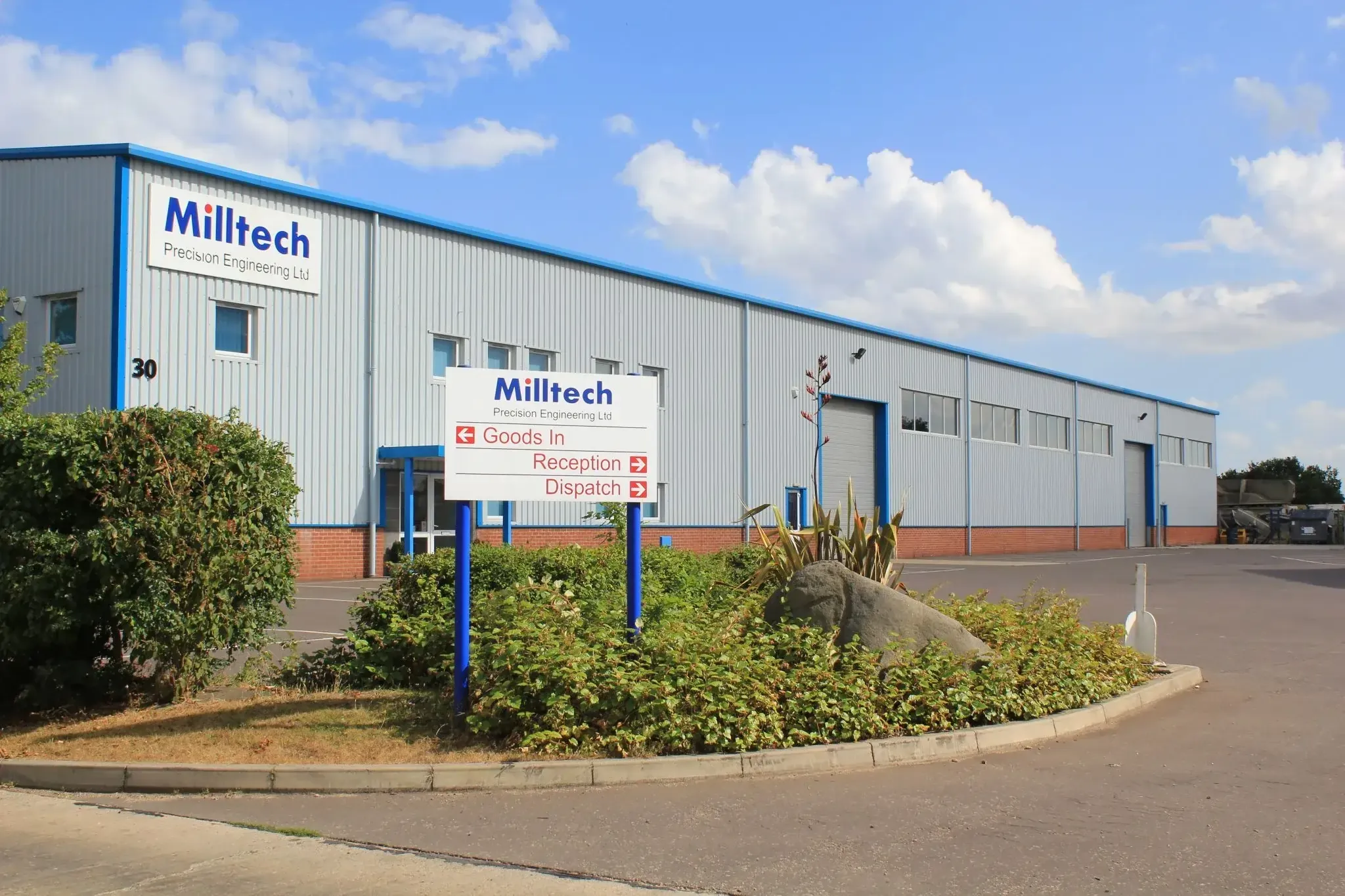 Choosing a subcontractor
What to look for in an aerospace or defence machining supplier — certifications, traceability, capability and capacity — and the questions to ask.
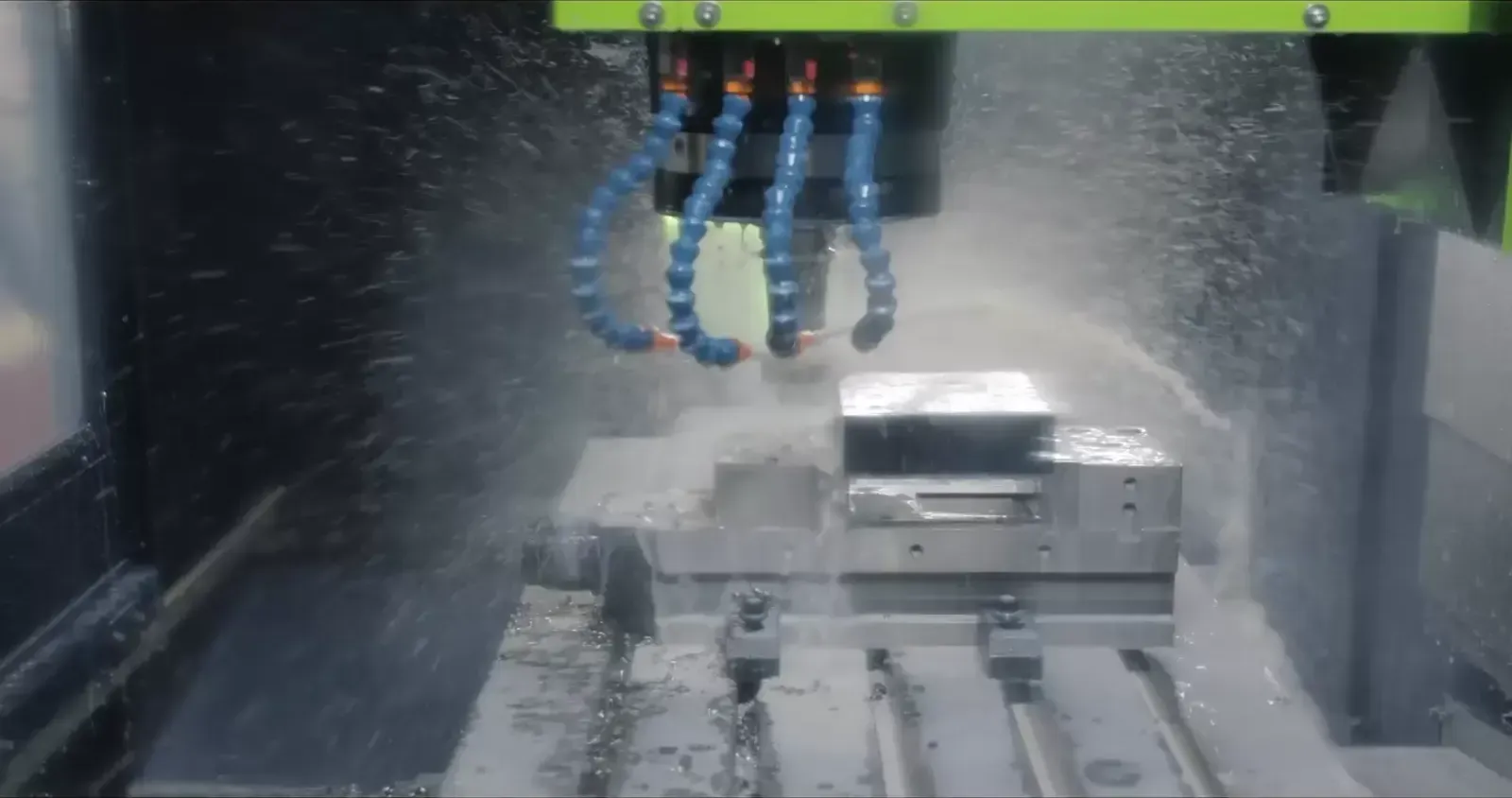 Certifications & compliance
JOSCAR is the UK aerospace, defence and security supply-chain accreditation register. What it is, why it matters, and how to check a supplier holds it.
Certifications & complianceWhat full material and process traceability means in precision machining, why aerospace and defence buyers require it, and how Milltech delivers it.
FAQ
Our quality management system is approved by LRQA to ISO 9001:2015 (approval no. ISO 9001–0006386). We are JOSCAR registered and hold Cyber Essentials Plus, and apply the additional documentation, rigour and traceability that aerospace and defence programmes require.
Yes. Flight-critical and defence-grade components are core to this division, machined on a deep multi-axis fleet to tolerances as tight as ±0.005 mm and verified by CMM inspection, with the additional documentation and rigour these sectors demand.
Yes. Every job is tracked live through Tricorn® ERP from raw bar to dispatch, and inspection records and controlled documentation are available where required.
Representative work includes avionics housings, cockpit instrumentation, seals and bearing housings, brackets, fixtures and fittings, counter-UAS / target-tracking equipment, and weapon-system components.
Yes. We supply First Article Inspection Report (FAIR) document packs and PPAP-controlled processes where a programme requires them, alongside our standard material certification and CMM inspection records.
Yes. We manufacture components for weapon systems and hold a firearms licence to manufacture and stock critical weapon components, under our controlled, fully-traceable quality system.
Typically within 24–48 hours of receiving your drawings and requirements. Send us the details through the quote form — more intricate assemblies may take a little longer to estimate precisely.
Your project — our precision
Send your drawings, quantities and materials. Our team returns a competitive quote and lead time — typically within 24–48 hours.