





One of the biggest risks in sourcing is that the shop which makes your prototype can't make it at volume — forcing a costly supplier change later. Here is how a subcontractor scales, and what to look for.
Can one subcontractor handle both prototype and production?
Yes — and it is a real advantage when they can. The shop that machined your prototype already understands the part: its geometry, materials, tricky features and inspection. Moving to production with that same supplier is faster and lower-risk than transferring the job to a new shop that has to learn it from scratch.
What changes between prototype and volume machining?
A prototype proves the part can be made. Production proves it can be made repeatably and economically. Getting there means:
- Optimising the process for efficiency, not just feasibility.
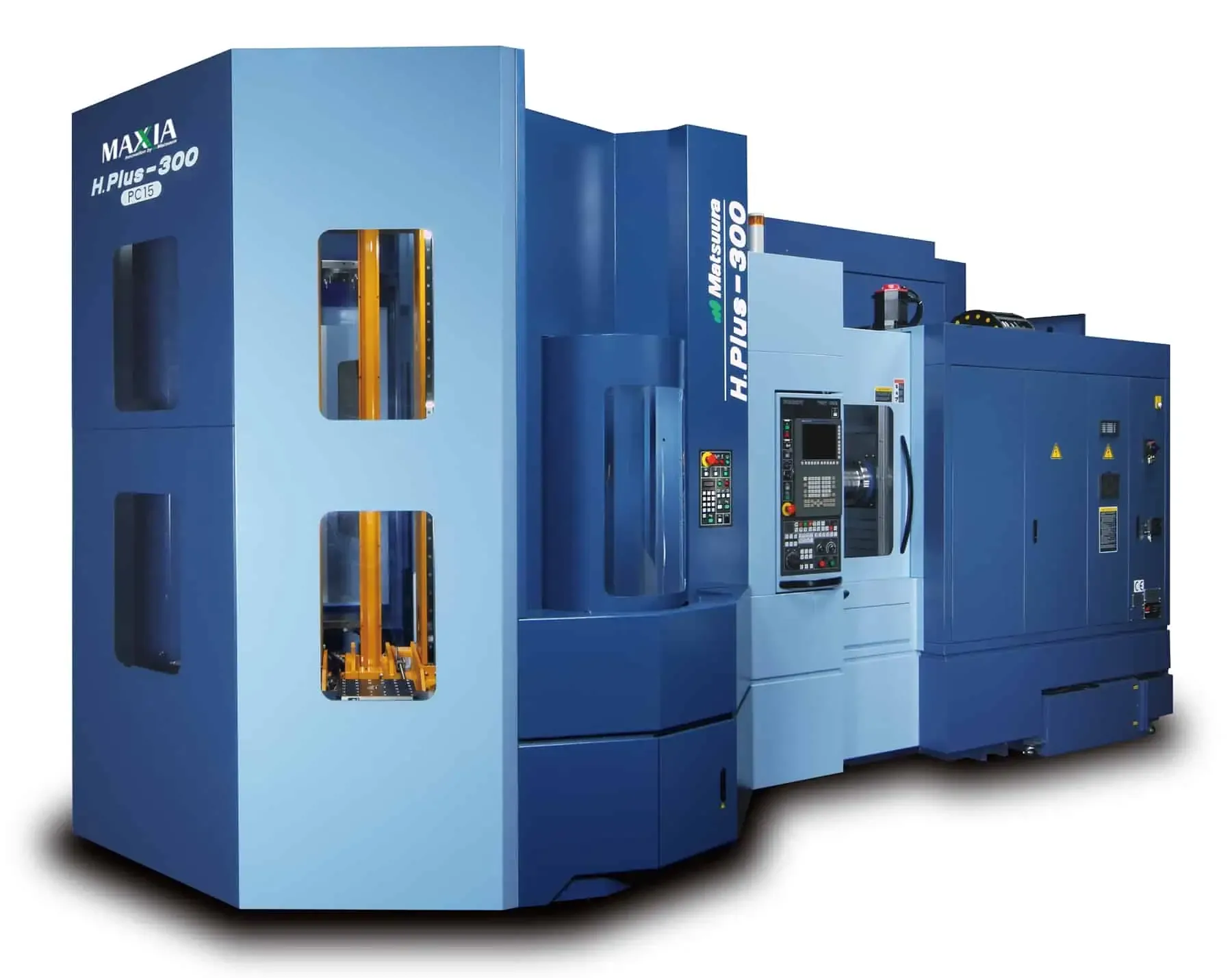
- Moving to the right machines for volume — typically multi-pallet.
- Inspecting every batch, not just the first-off.
What capacity and control does scaling need?
Three things:
- Machines — multi-pallet and multi-axis capacity to run repeatably and unmanned.
- Capacity — enough machines to hold lead times as demand grows.
- Control — ERP scheduling to plan and track the work, and CMM inspection to hold quality.
Without all three, volume either slips on delivery or drifts on quality.
How does Milltech scale from prototype to production?
Milltech runs a fleet of 40+ CNC machines, including multi-pallet horizontals, with CMM inspection and Tricorn® ERP scheduling. That means a part can move from a single prototype to repeatable production volume on one accountable shop floor — no supplier change, no relearning the part, and traceability throughout.