





Choosing a subcontract machinist is a committee decision — procurement, engineering and quality all have a veto — and getting it wrong is expensive. This guide sets out the five checks that separate a dependable UK precision CNC machining subcontractor from a risky one, and how to evidence each.
What should you look for in a precision machining subcontractor?
Five things decide it, and they map to the three people who sign off a supplier:
- Certifications — the compliance gate. ISO 9001 is the baseline; aerospace and defence add AS9100 and JOSCAR; data-sensitive work adds Cyber Essentials Plus.
- Tolerances and inspection — can they actually make your part, repeatably, and prove it?
- Capacity and capability — the right machines, and enough of them, for your geometry and volume.
- Quote turnaround and lead time — how fast you get a price, and whether delivery dates hold.
- Stability — will the supplier still be there in five years, and can it scale with you?
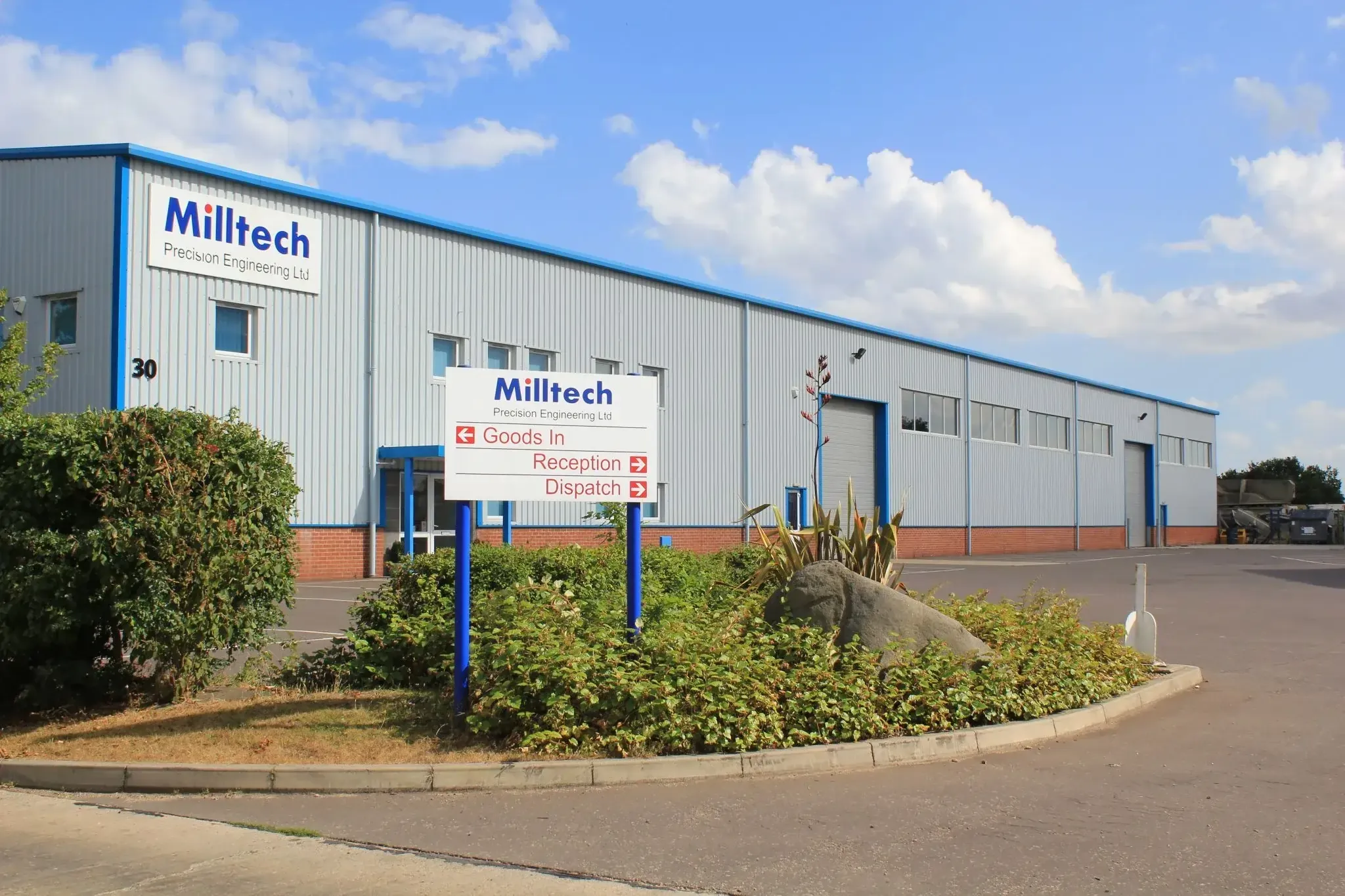
A strong subcontractor evidences all five. Milltech is structured around them: ISO 9001:2015, JOSCAR and Cyber Essentials Plus; tolerances to ±0.005 mm with CMM inspection; 40+ CNC machines; quotes in 24–48 hours; and the backing of the Indutrade Group.
How do you verify quality, inspection and traceability?
Certificates are necessary but not sufficient — ask how quality is controlled. A credible supplier can show you:
- An independently audited quality system (Milltech's ISO 9001:2015 is approved by LRQA, approval no. ISO 9001–0006386).
- CMM inspection verifying components against drawing in a dedicated facility.
- Full material and process traceability — every job tracked from raw bar to dispatch (Milltech does this live through Tricorn® ERP).
- Inspection records and controlled documentation on request.
For aerospace and defence, this is the difference between passing an audit and being removed from the approved-vendor list.
What capacity and capability actually matter?
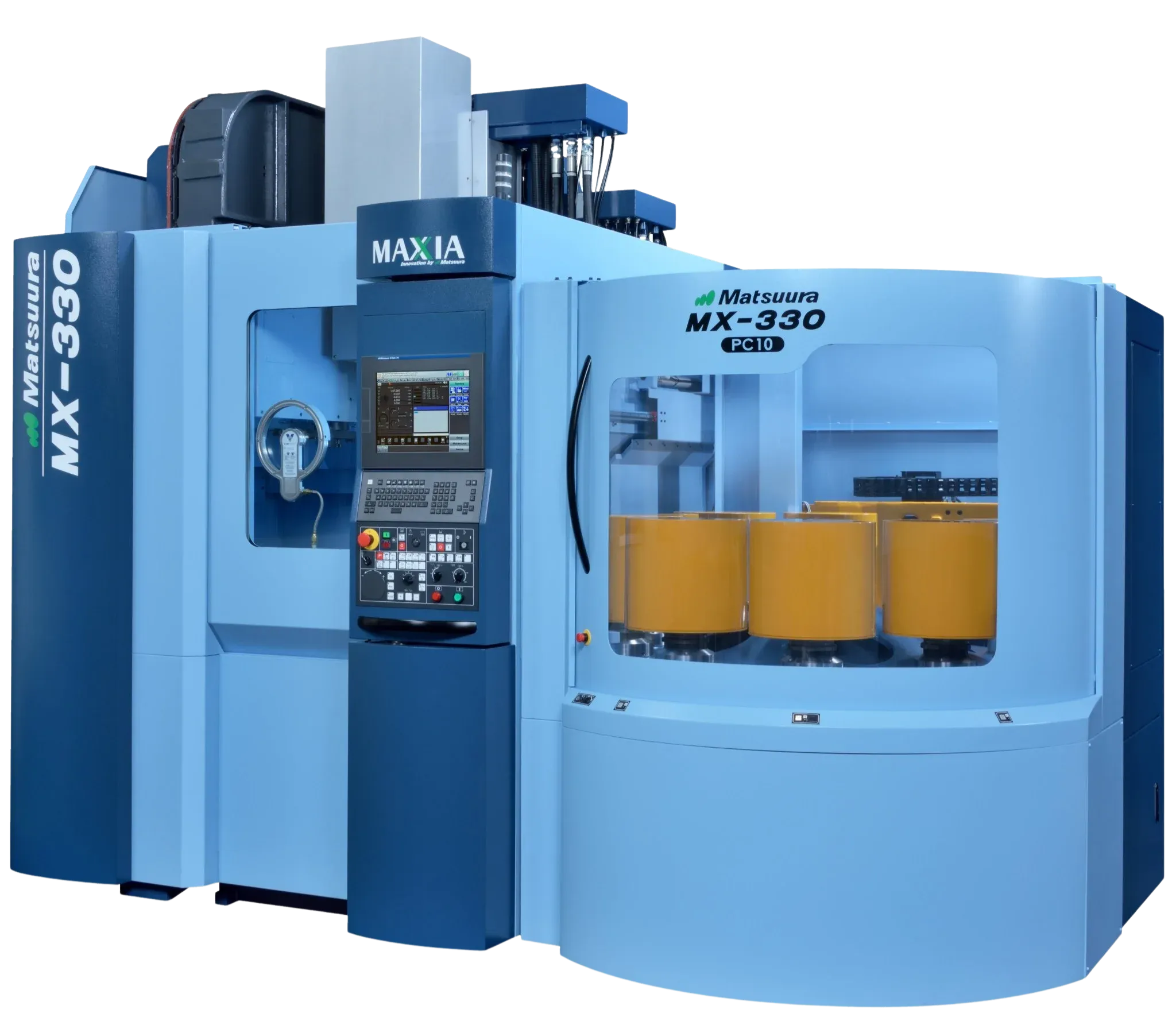
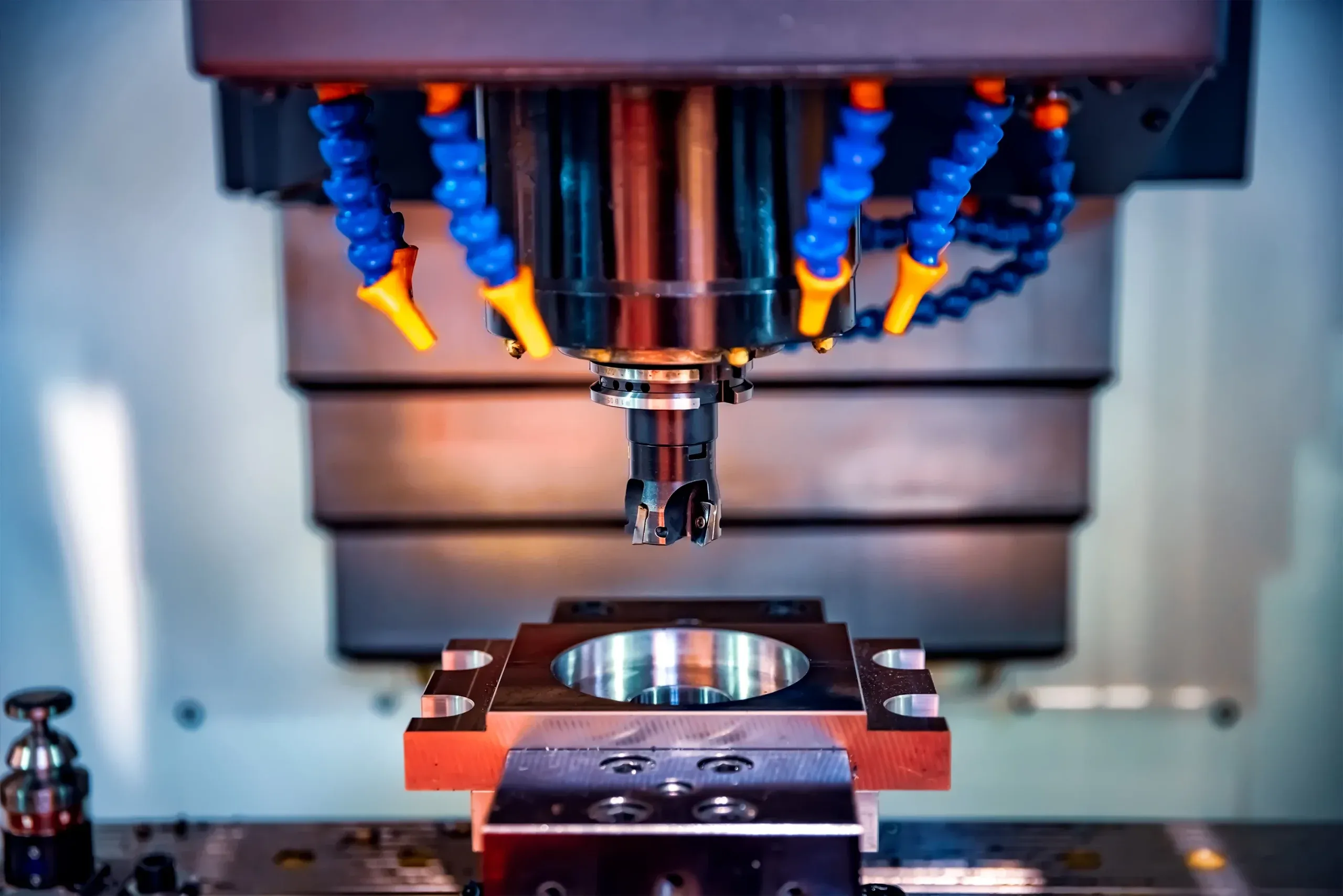
Match the shop to the work. For complex parts, look for 3, 4 and continuous 5-axis milling and mill-turn turning. For volume, look for multi-pallet horizontal machines that run repeatably and unmanned. Milltech's fleet includes Matsuura 5-axis and 15-pallet horizontal machines among its 40+, plus a dedicated valve and manifold cell running 24/7.
Breadth matters too: a subcontractor that also assembles and finishes keeps your supply chain in one accountable place, rather than co-ordinating three vendors.
How fast should quoting and lead times be?
Speed is a proxy for control. A subcontractor with a real ERP system quotes quickly and commits to accurate dates. Expect a quote within 24–48 hours; be wary of suppliers who take a week to price a straightforward part. Ask how they schedule — Kanban and JIT options signal a shop set up for ongoing supply, not just one-off jobs.
How do you de-risk a new supplier?
The last question is the quiet one: will this supplier deliver, and survive? De-risk it with:
- Financial strength — a parent group or long trading history. Milltech has traded since 1999 and is part of the Indutrade Group.
- A single accountable supply chain — raw material through machining, assembly and finishing.
- Evidence — relevant sectors, real parts, and a willingness to share inspection data.
Get those five checks right and a new subcontractor becomes a long-term partner rather than a gamble.