





"Subcontract machining" is one of those terms used constantly and rarely defined. Here is what it means, how it works, and why so many manufacturers rely on it.
What is subcontract CNC machining?
Subcontract (or sub-contract) CNC machining is when a manufacturer outsources the making of machined components to a specialist supplier rather than machining them in-house. The subcontractor works to the customer's drawings and specification, and supplies finished, inspected parts. The customer keeps ownership of the design; the subcontractor provides the machines, skills and capacity to make it.
How does subcontract machining work?
The flow is straightforward:
- The customer sends drawings, material, quantity and requirements.
- The subcontractor quotes a price and lead time.
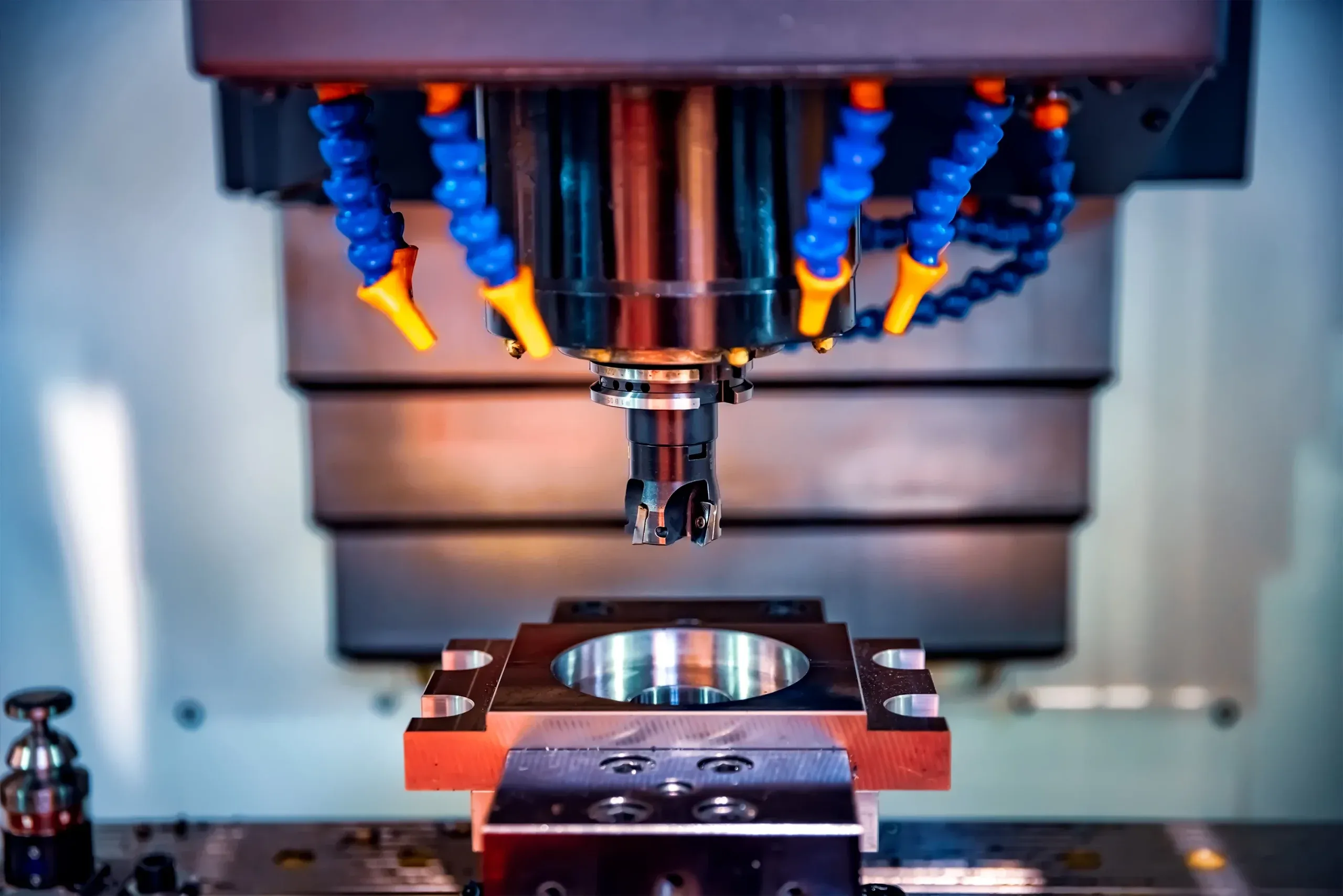
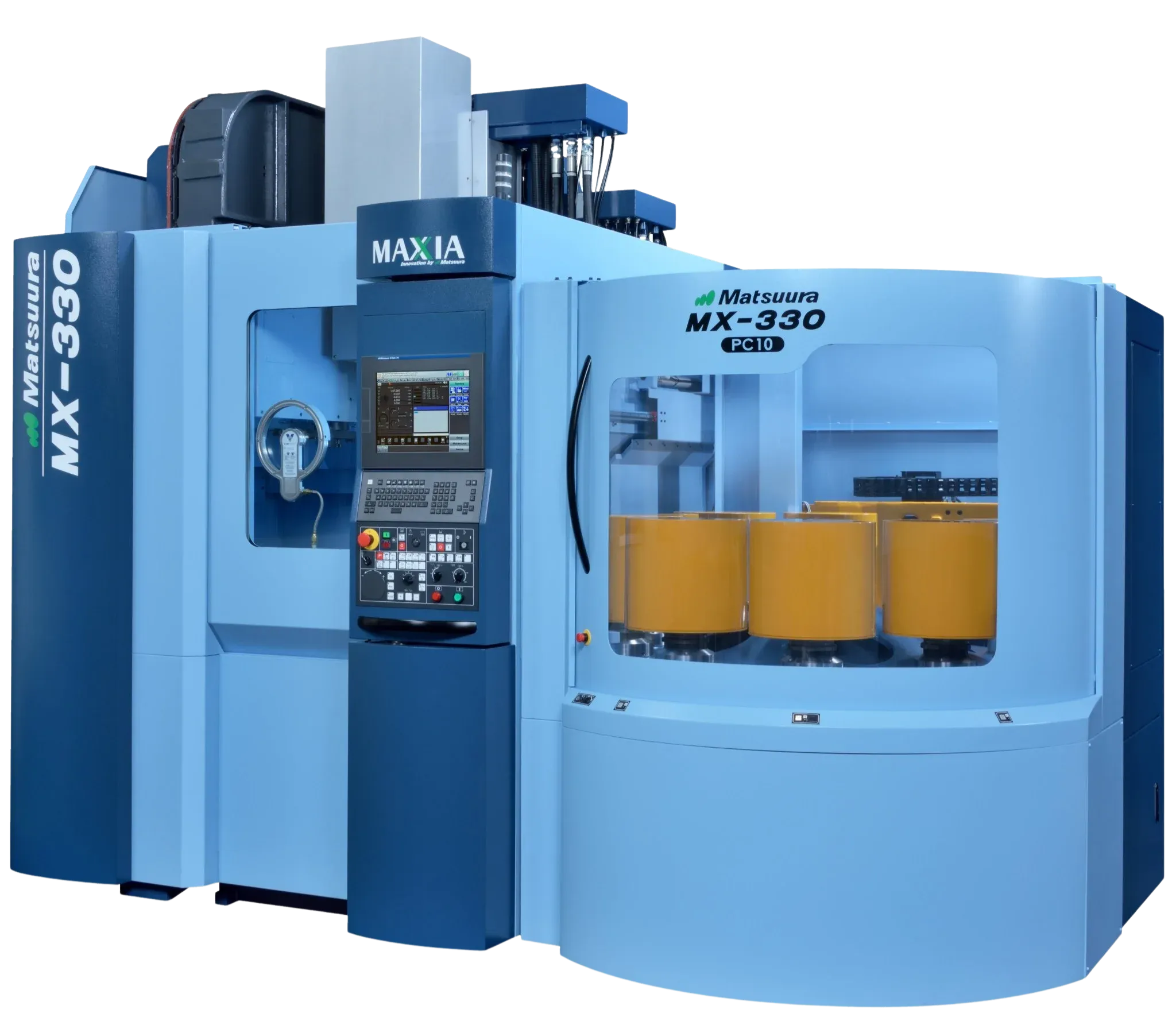
- On order, the parts are machined on the subcontractor's CNC fleet.
- They are inspected against the drawing and delivered to specification.
It can be a single prototype, a production batch, or ongoing scheduled supply.
Why do manufacturers use subcontractors?
Because it gives them specialist capability without the capital cost. A subcontractor owns the machines, holds the certifications and carries the capacity, so the customer can:
- Access machines and expertise they don't have in-house.
- Absorb peaks in demand without buying more equipment.
- Focus their own people on design, assembly and their end product.
What does Milltech offer as a subcontractor?
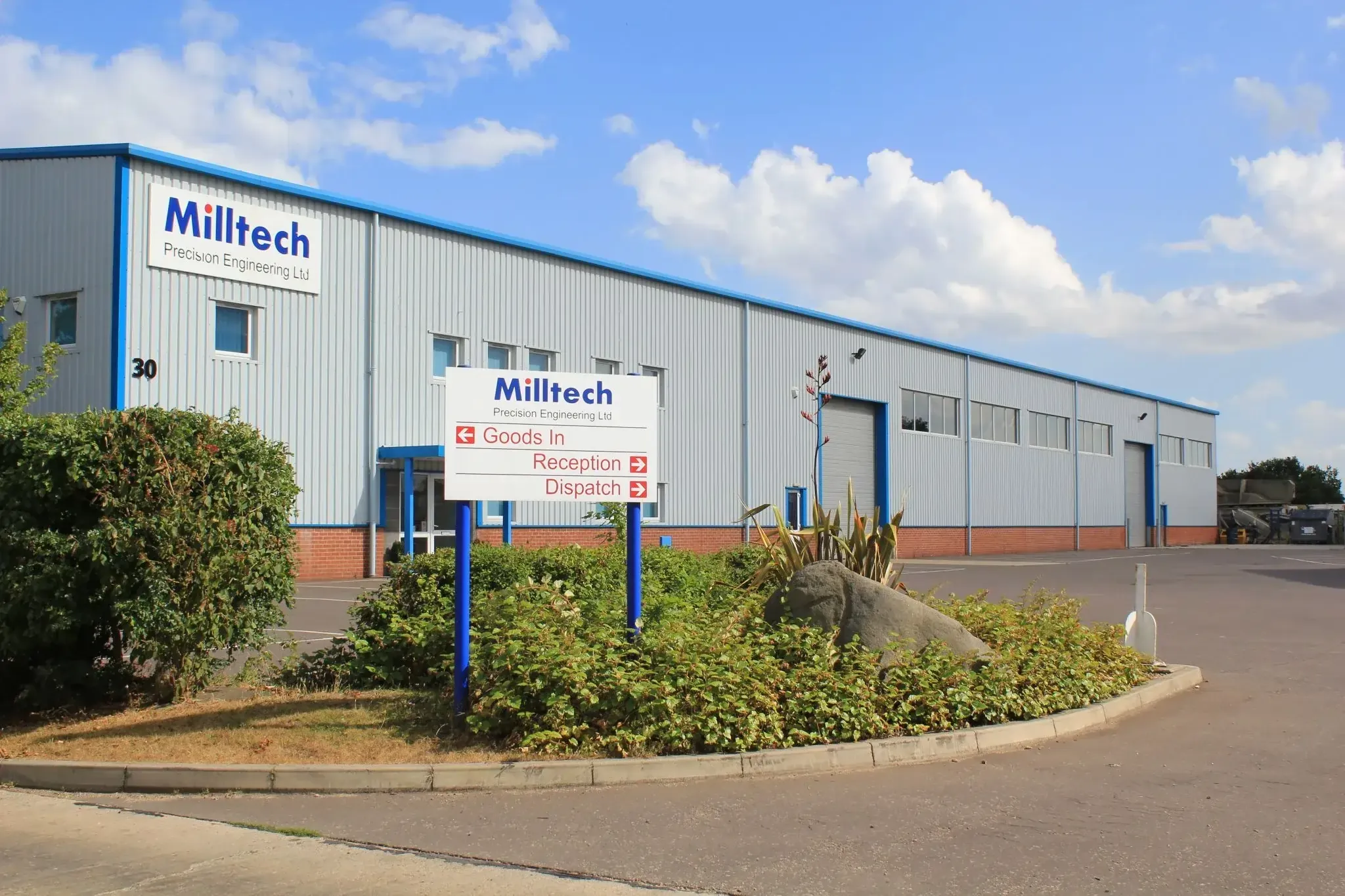
Milltech is a precision CNC machining and assembly subcontractor in Norwich, established in 1999 and part of the Indutrade Group. It offers CNC milling and turning, product assembly and 3D printing across four engineering divisions — from prototype to production, backed by ISO 9001, JOSCAR registration and full traceability.