






For components in oil & gas, subsea and energy, the material decision is made before the first cut — and it drives cost, machinability and whether the part survives. Here is how to choose.
What decides material choice in harsh environments?
Four conditions drive it, plus function and cost:
- Corrosion — seawater, chemicals, sour service.
- Pressure — how much the part must contain or withstand.
- Temperature — high or cryogenic.
- Load — mechanical stress in service.
The right material is the one that safely meets all of these for the part's duty — no more exotic than it needs to be.
Which materials resist corrosion and pressure?
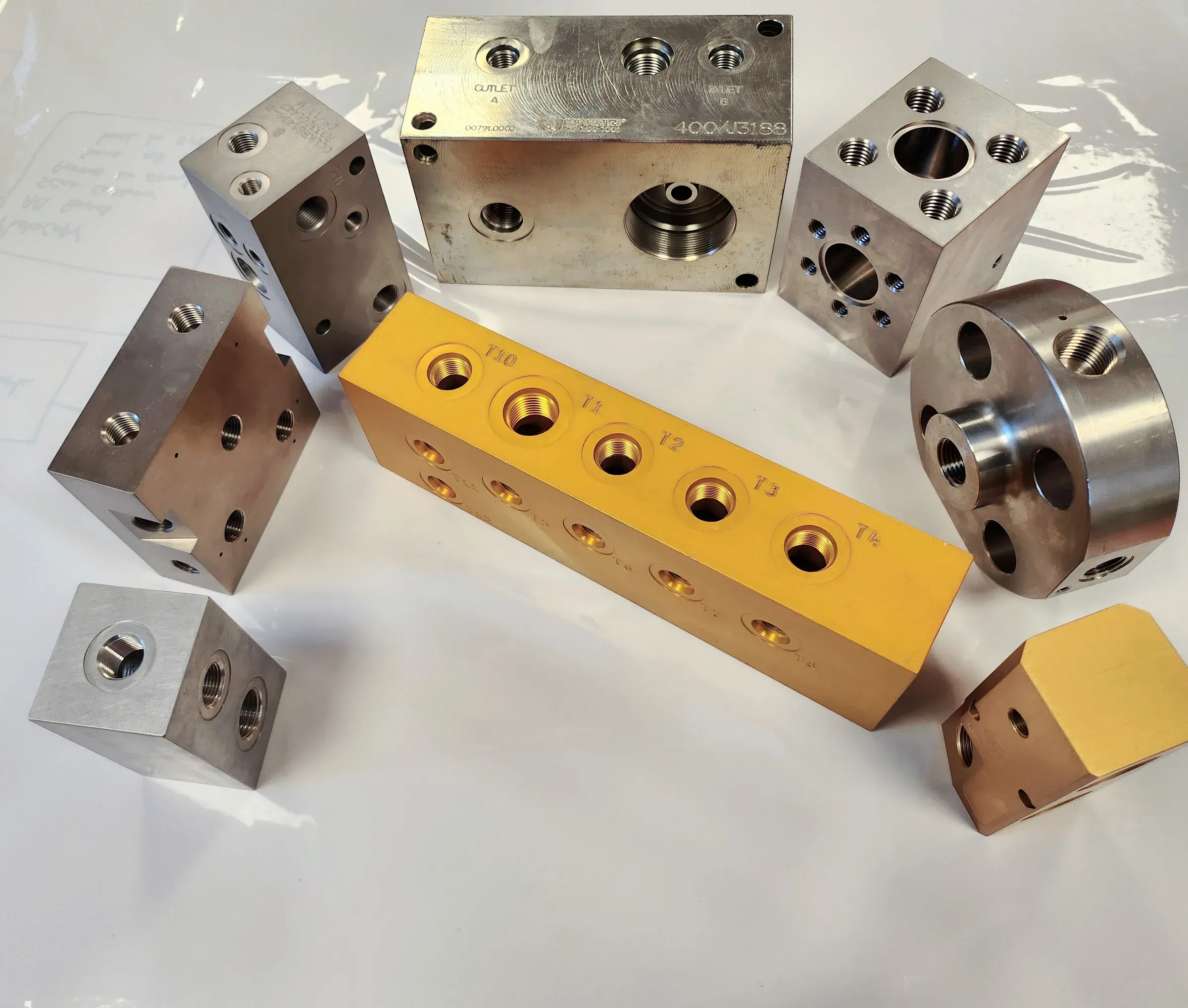
For corrosion and pressure, the workhorses are high-grade stainless steels such as super duplex, and exotic alloys like Inconel and titanium where the environment is extreme. Bronze and copper alloys suit specific components. Each trades off corrosion resistance, strength, machinability and cost differently.
How do you balance cost against performance?
Exotic alloys perform best but cost more and machine slowly, wearing tooling faster — which raises both price and lead time. The goal is the lowest-cost material that safely meets the duty. Often that is a high-grade stainless rather than a more exotic alloy; sometimes the environment genuinely demands the exotic. A good subcontractor advises on this trade-off rather than defaulting to the most expensive option.
Can Milltech advise on material selection?
Yes. Milltech machines stainless, exotic alloys, bronze, copper and more, and factors machinability into every quote. Send your part's environment and duty with the drawing, and we will confirm a material that meets the requirement without over-specifying — machined and CMM-verified with full traceability.