






Energy · Sector
Subsea
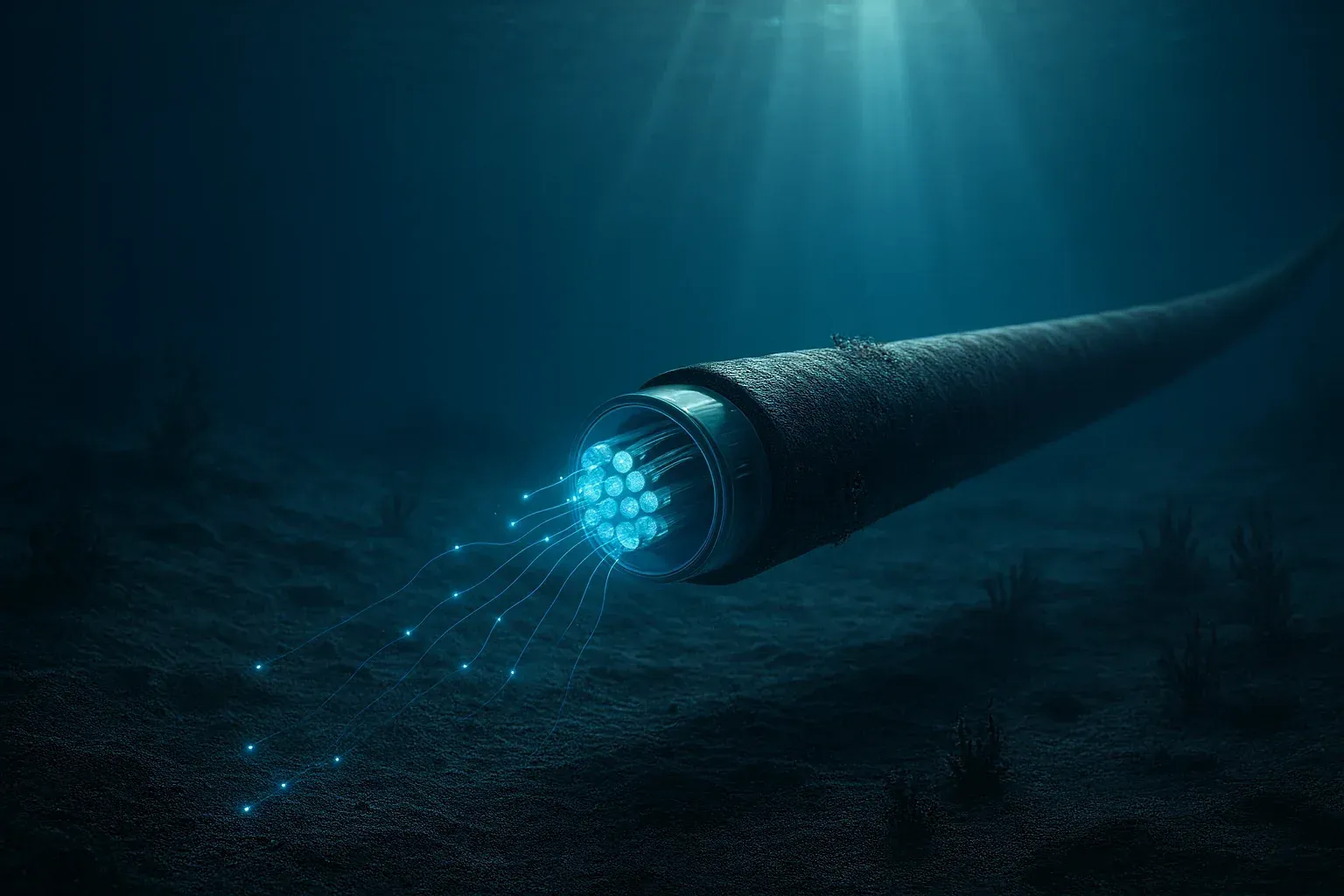
Corrosion-resistant subsea components — ROV parts, pressure housings, buoyancy modules and connectors — for high-pressure, deep-water service.
Subsea
In
brief
Milltech machines corrosion-resistant subsea components in Norwich, UK — ROV and AUV parts, sensor and pressure housings, buoyancy modules, flowline connectors and drilling-riser parts — for high-pressure, deep-water service. We machine stainless, exotic alloys and bronze, CMM-verified with full material certification and traceability.
Overview
Subsea is where material choice and precision matter most. Components spend their service life under extreme pressure in a highly corrosive environment, so we machine subsea parts in stainless, exotic alloys and bronze, inspected by CMM and supplied with full material certification and traceability.
Components we machine
Examples include- 01 ROV & AUV parts
- 02 Subsea sensors
- 03 Pressure vessels & housings
- 04 Buoyancy modules
- 05 Flowline connectors
- 06 Drilling-riser components
How we make them
Every process, one supplier
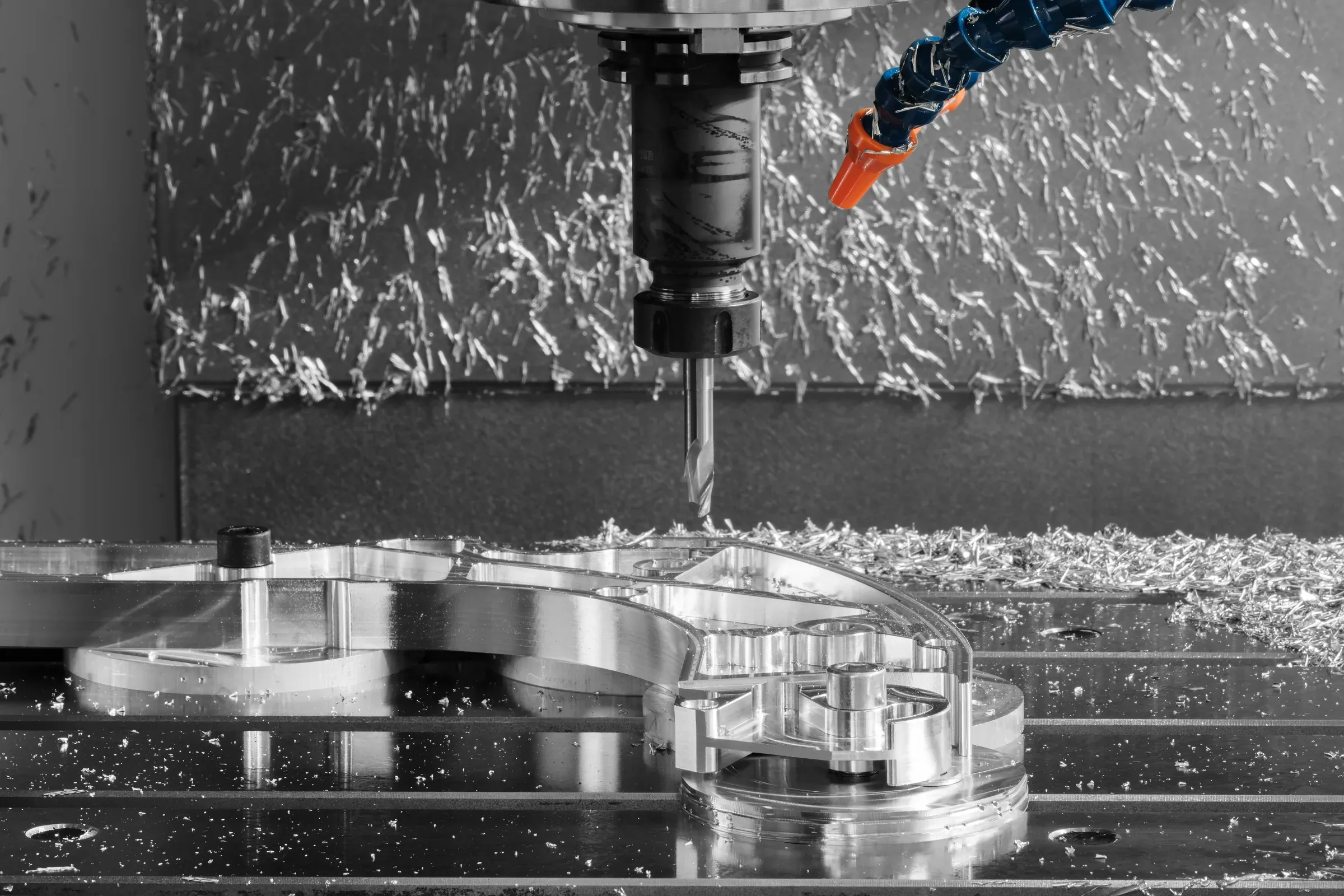
CNC Milling
3, 4 and 5-axis milling with a deep multi-pallet fleet for prototypes through to volume.
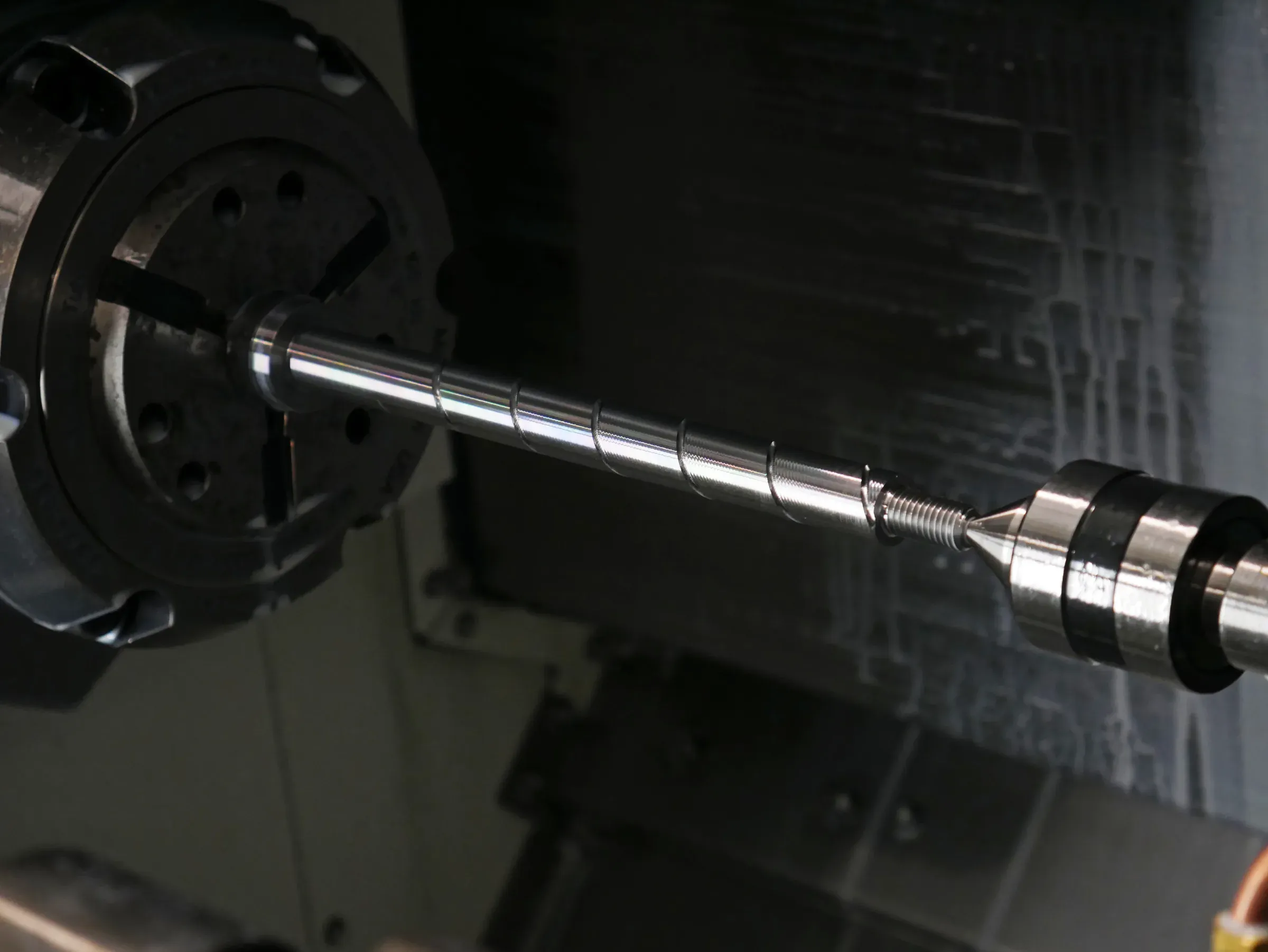
CNC Turning
Cylindrical and complex turned components to ±0.005 mm, CMM-inspected.
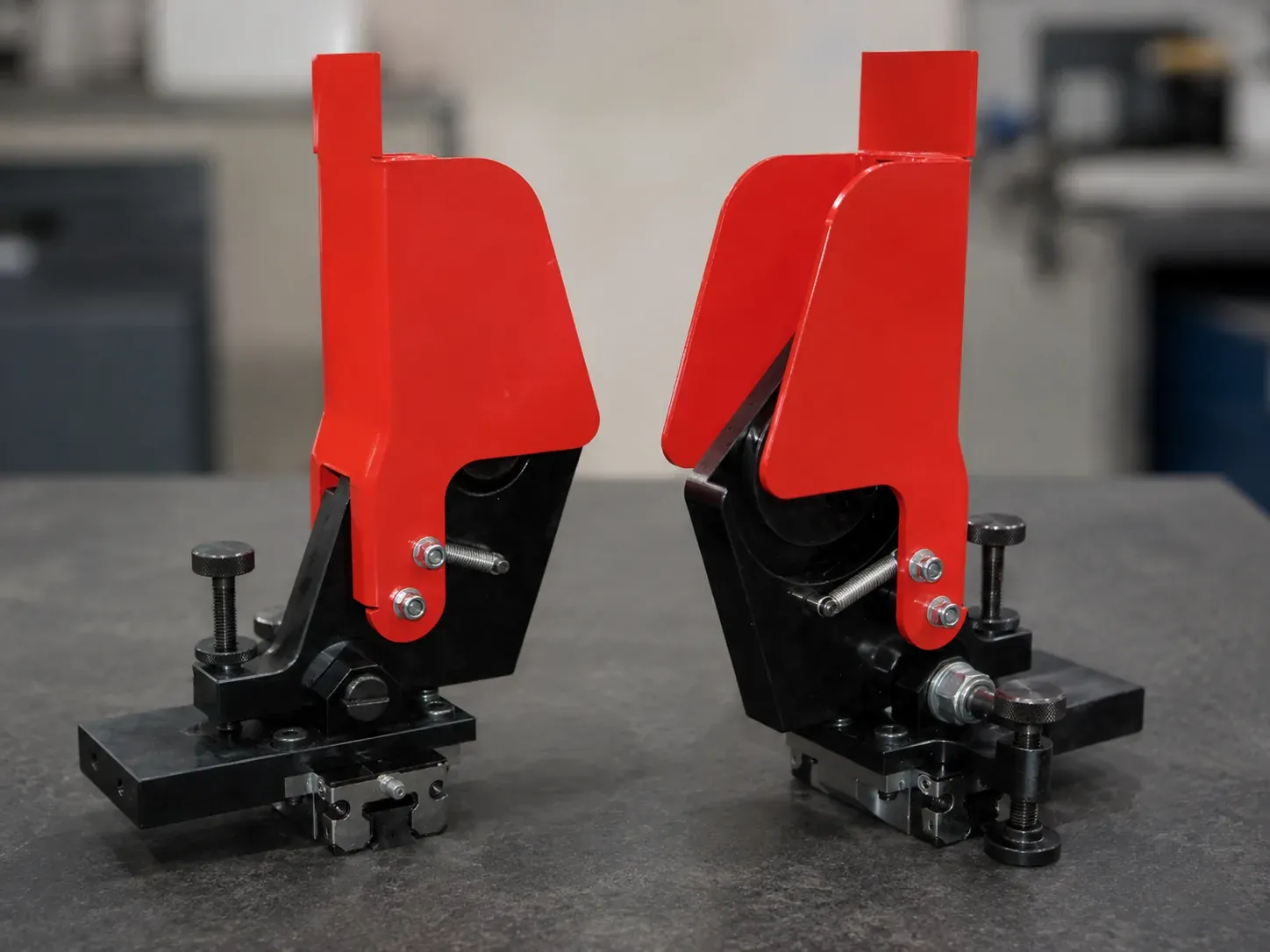
Product Assembly
Part or full assembly delivered to you or your end customer, including Assemble-To-Order.
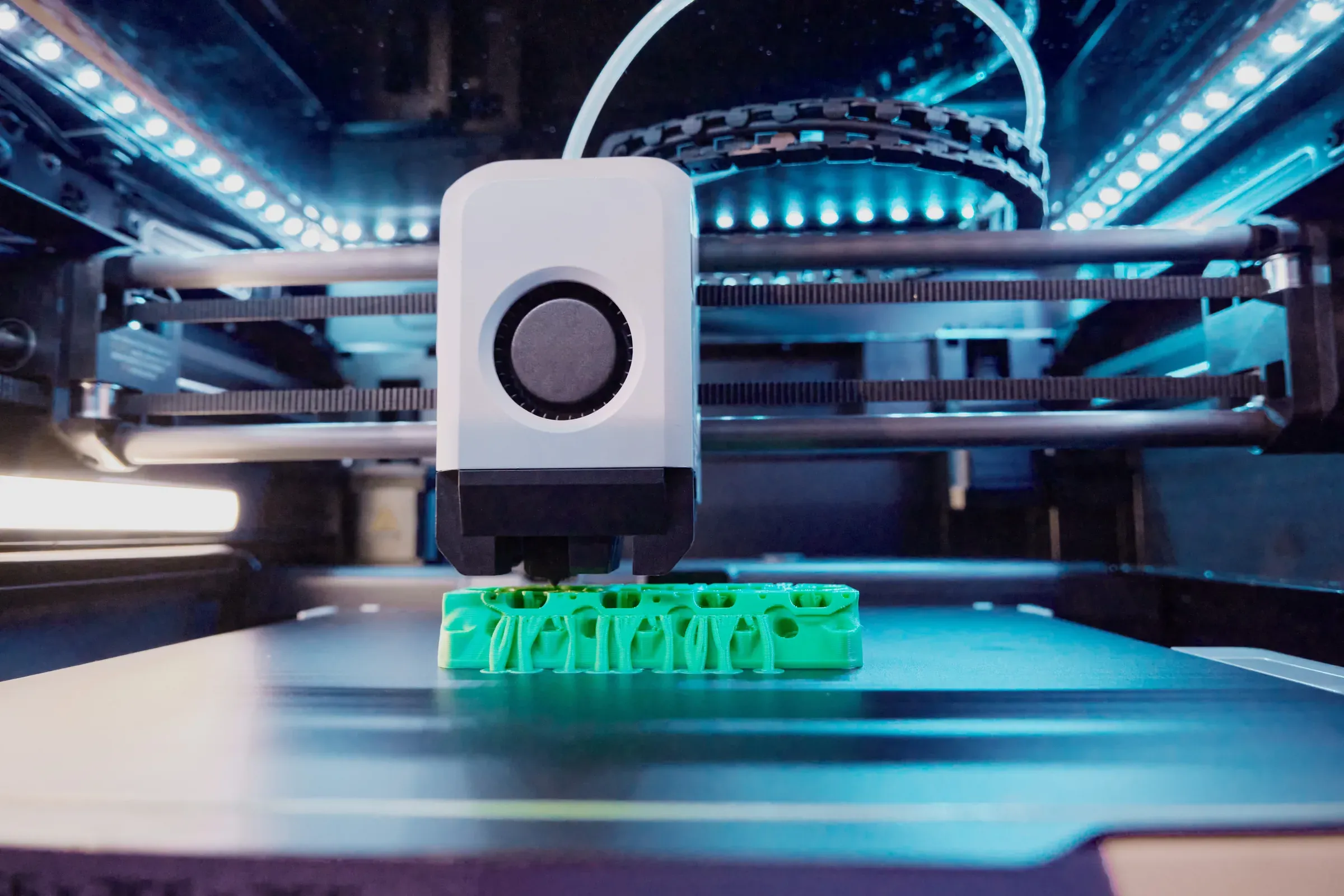
3D Printing
In-house 3D printing — rapid-turnaround prototypes and bespoke packaging for finished parts.
How we work
Drawing to delivery
A simple, traceable route from drawings and material specs to inspected finished components.
- 01
Submit requirements
Send drawings, quantities, materials and finishes through one form.
- 02
Receive quote
Our team reviews and returns a competitive quote and lead time — typically within 24–48 hours.
- 03
Production
Skilled machinists run your parts on the right machine, tracked live through Tricorn® ERP.
- 04
Quality control
Every batch is inspected against our ISO 9001:2015 quality system before it ships.
More in Energy
Insights
Related reading
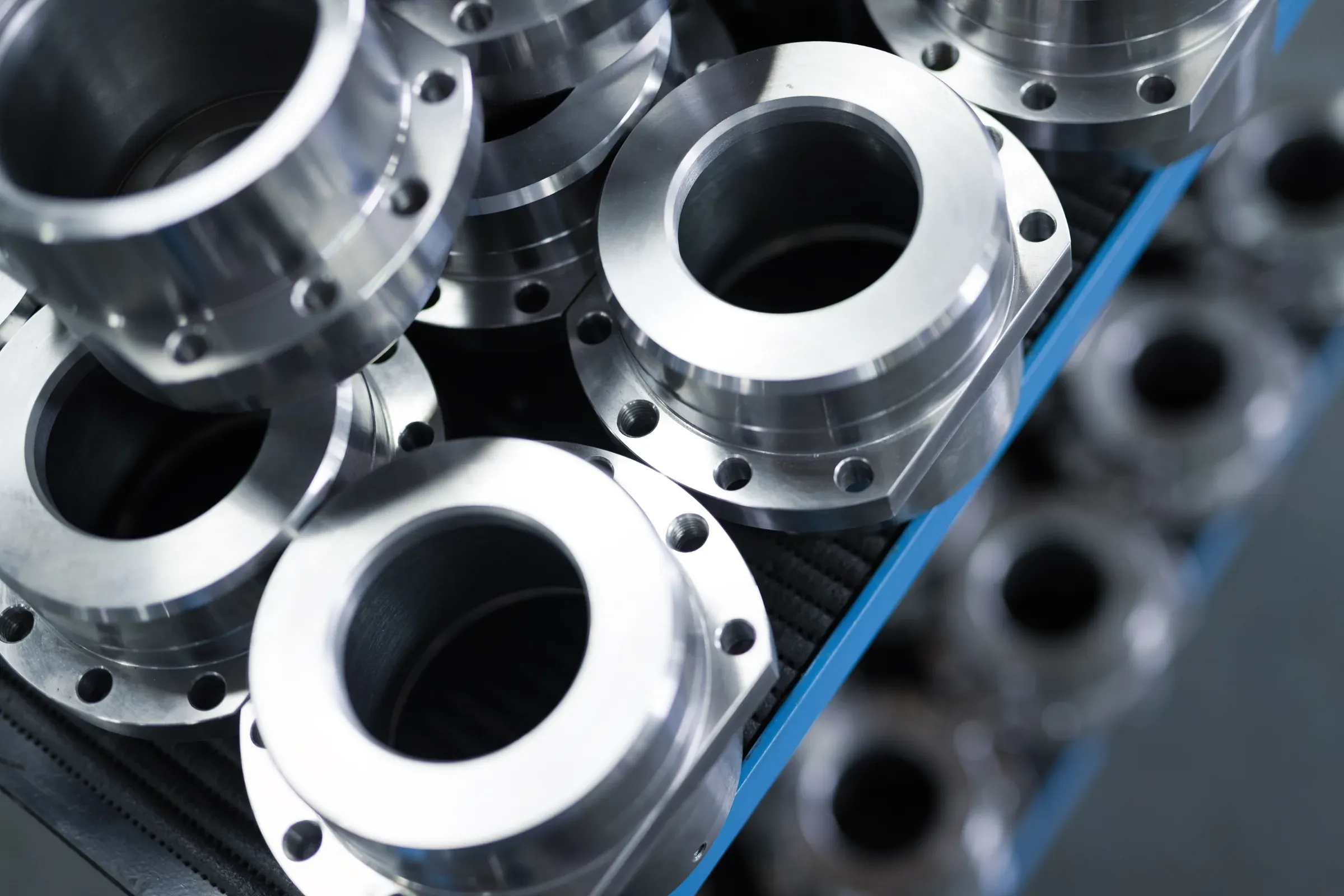 Materials & environments
What materials are used for subsea machined components?
The materials used for subsea machined components — stainless, exotic alloys, bronze and copper — and how corrosion, pressure and depth drive the choice.
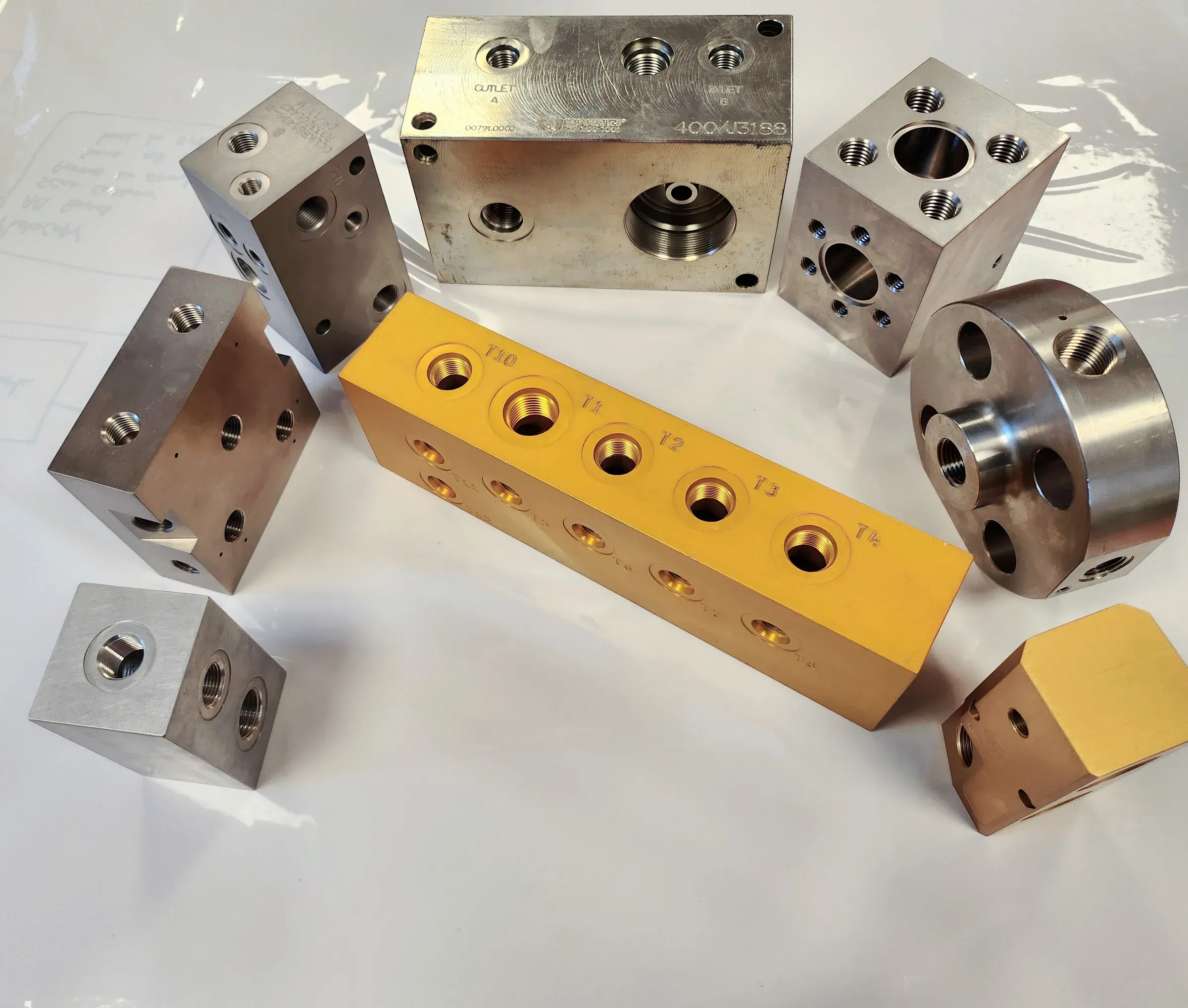 Materials & environments
How do you choose a material for a harsh-environment part?
How to choose a material for corrosion- and pressure-critical machined parts in oil & gas, subsea and energy — matching the alloy to environment and load.
 Certifications & compliance
What does full material and process traceability mean in machining?
What full material and process traceability means in precision machining, why aerospace and defence buyers require it, and how Milltech delivers it.
FAQ
Subsea machining — your questions
What subsea components do you machine?
ROV and AUV parts, subsea sensors, pressure vessels and housings, buoyancy modules, flowline connectors and drilling-riser components.
Which materials do you use for subsea parts?
Corrosion-resistant stainless and exotic alloys for pressure- and corrosion-critical parts, with bronze where the application calls for it — all CMM-verified with full material traceability.
Your project — our precision
Machining subsea components?
Send your drawings, quantities and materials. Our team returns a competitive quote and lead time — typically within 24–48 hours.