






Subsea is where material choice matters most — get it wrong and a component fails in the worst possible place to reach it. Here are the materials used for subsea machined parts, and why.
What materials suit subsea components?
Subsea parts are machined from corrosion-resistant, high-strength materials:
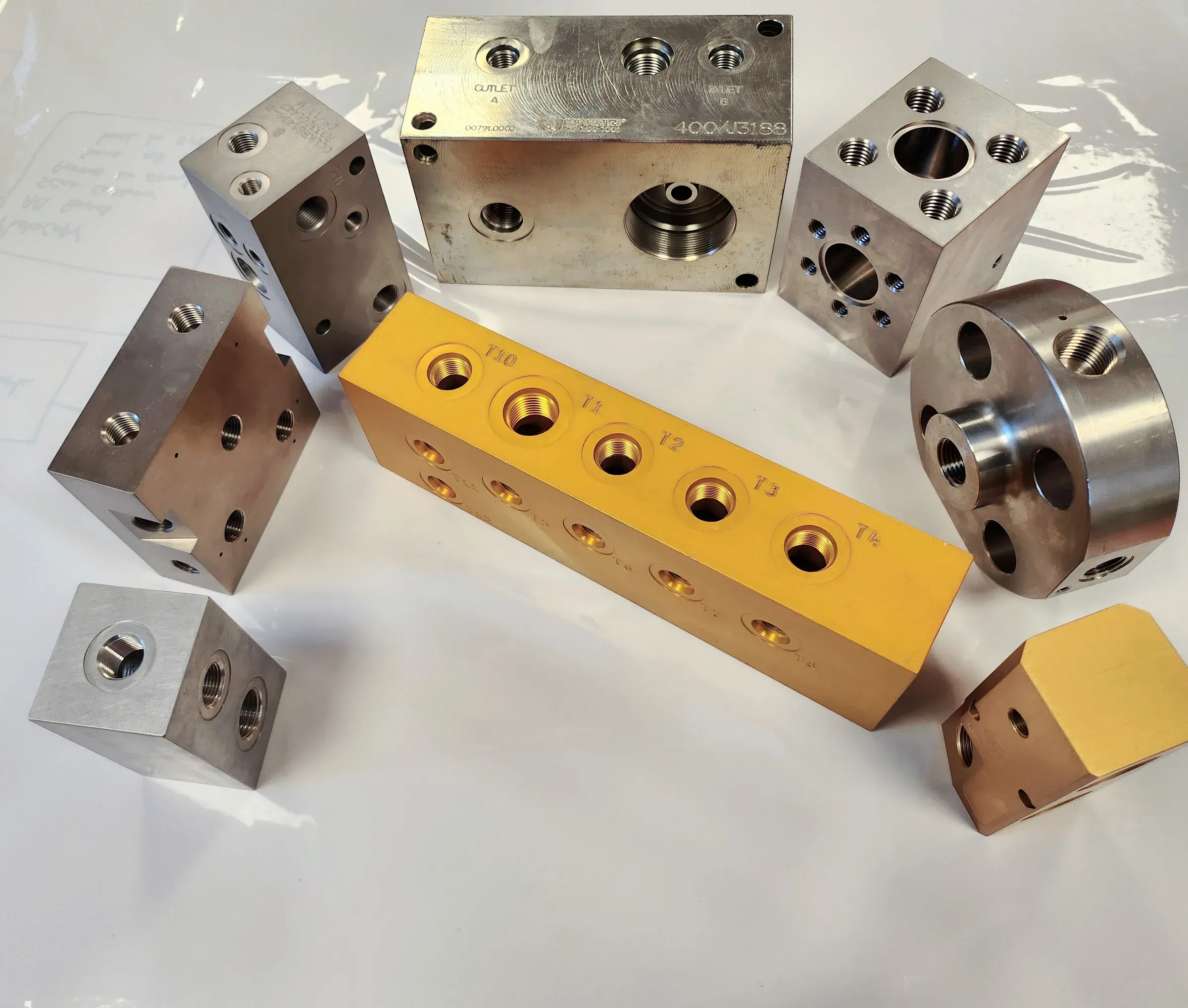
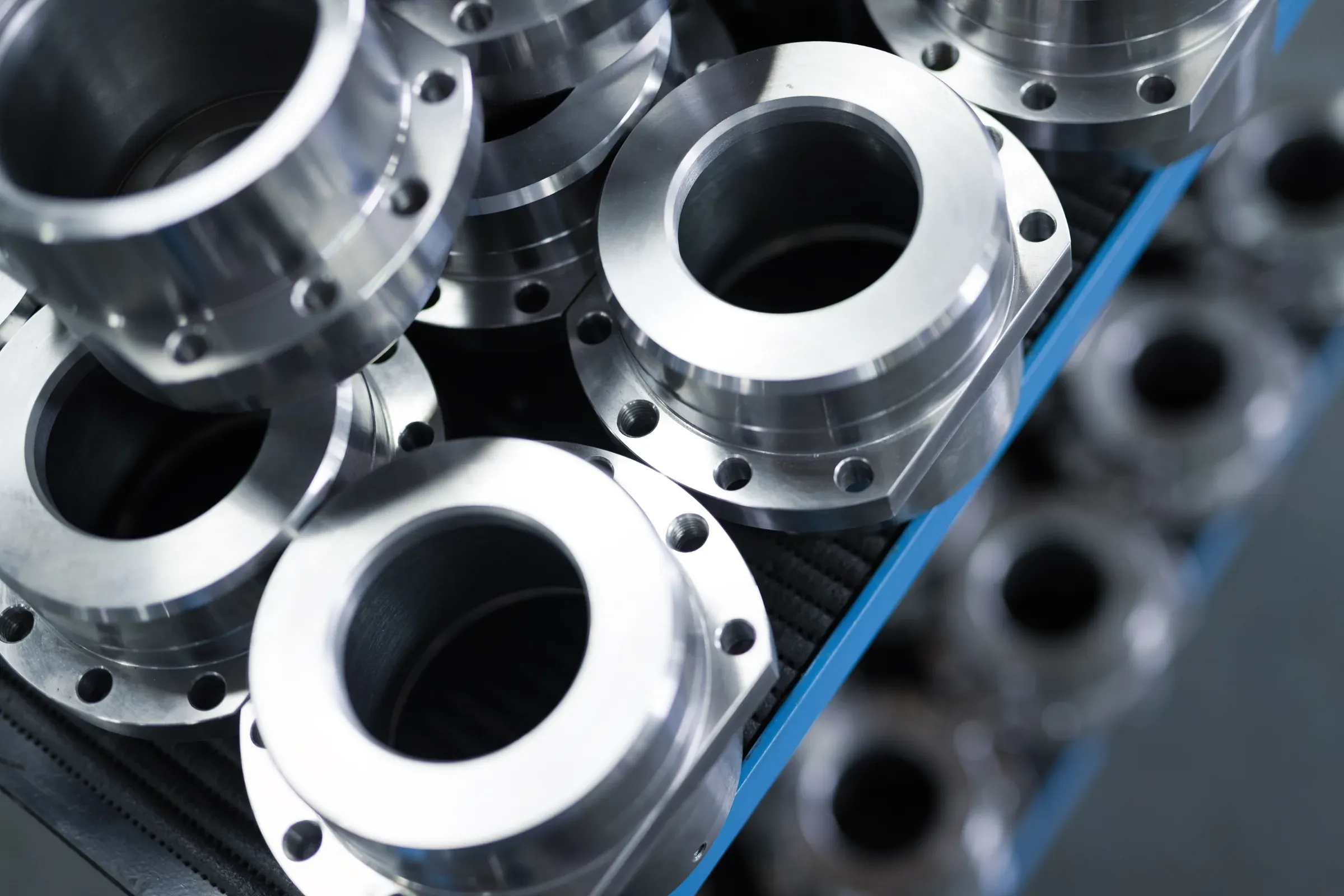
- Stainless steels, including super duplex, for strength and seawater resistance.
- Exotic alloys such as Inconel and titanium where extreme corrosion resistance or strength-to-weight is needed.
- Bronze and copper alloys for specific components.
Milltech machines subsea components across stainless, exotic alloys and bronze, matched to the part.
Why does material choice matter subsea?
A subsea component spends years in seawater, under pressure, often at depth, usually where maintenance is expensive or impossible. Ordinary carbon steel corrodes quickly in that environment, so subsea materials are chosen to resist corrosion and hold strength for the full service life. The consequence of the wrong material is failure in service — which is why buyers scrutinise both the alloy and its traceability.
Which material for which subsea part?
It depends on the duty. Pressure housings and connectors that need strength and corrosion resistance often use super duplex or other high-grade stainless; parts needing maximum corrosion resistance or light weight may use exotic alloys; bronze suits certain bearing and valve components. The right answer balances corrosion, pressure, strength and cost for each part.
How does Milltech machine subsea materials?
Milltech machines subsea components in stainless, exotic alloys and bronze on its multi-axis fleet, verifies them by CMM inspection, and supplies full material and process traceability through Tricorn® ERP — the evidence subsea and oil & gas buyers require. Send your drawing and duty and we will confirm the right material and process.