





Insights · Capability & tolerances

What is the difference between CNC milling and CNC turning?

Last reviewed: 9 July 2026

The short answer

In CNC milling the workpiece is held still and a rotating cutter removes material — best for prismatic parts, pockets and complex 3D geometry. In CNC turning the workpiece rotates against a fixed tool — best for cylindrical parts. Milltech runs both, plus mill-turn machines that combine them in a single operation.

Milling and turning are the two core CNC processes, and choosing the right one — or both — decides how a part is made. Here is how each works and which your component needs.

How does CNC milling work?

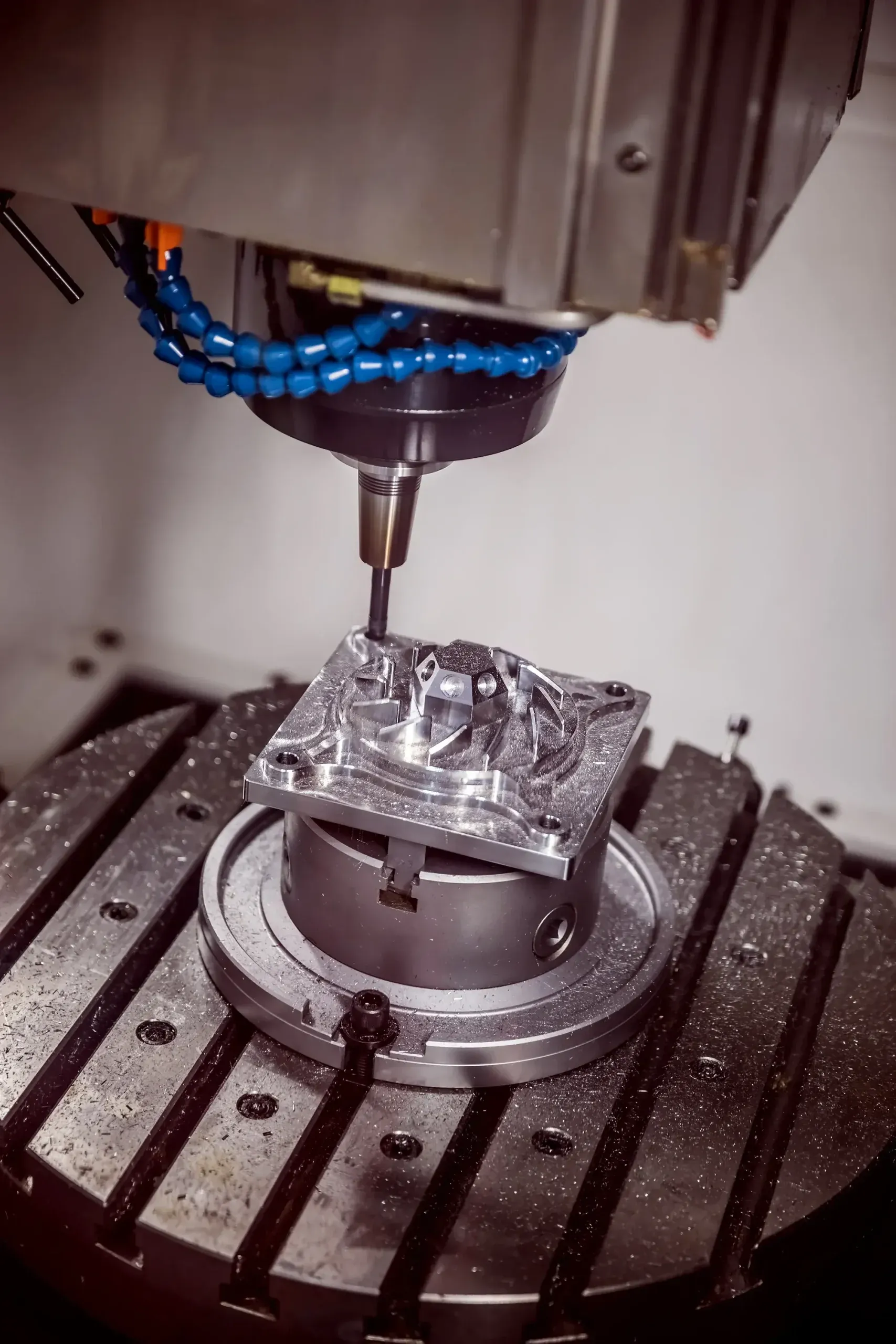
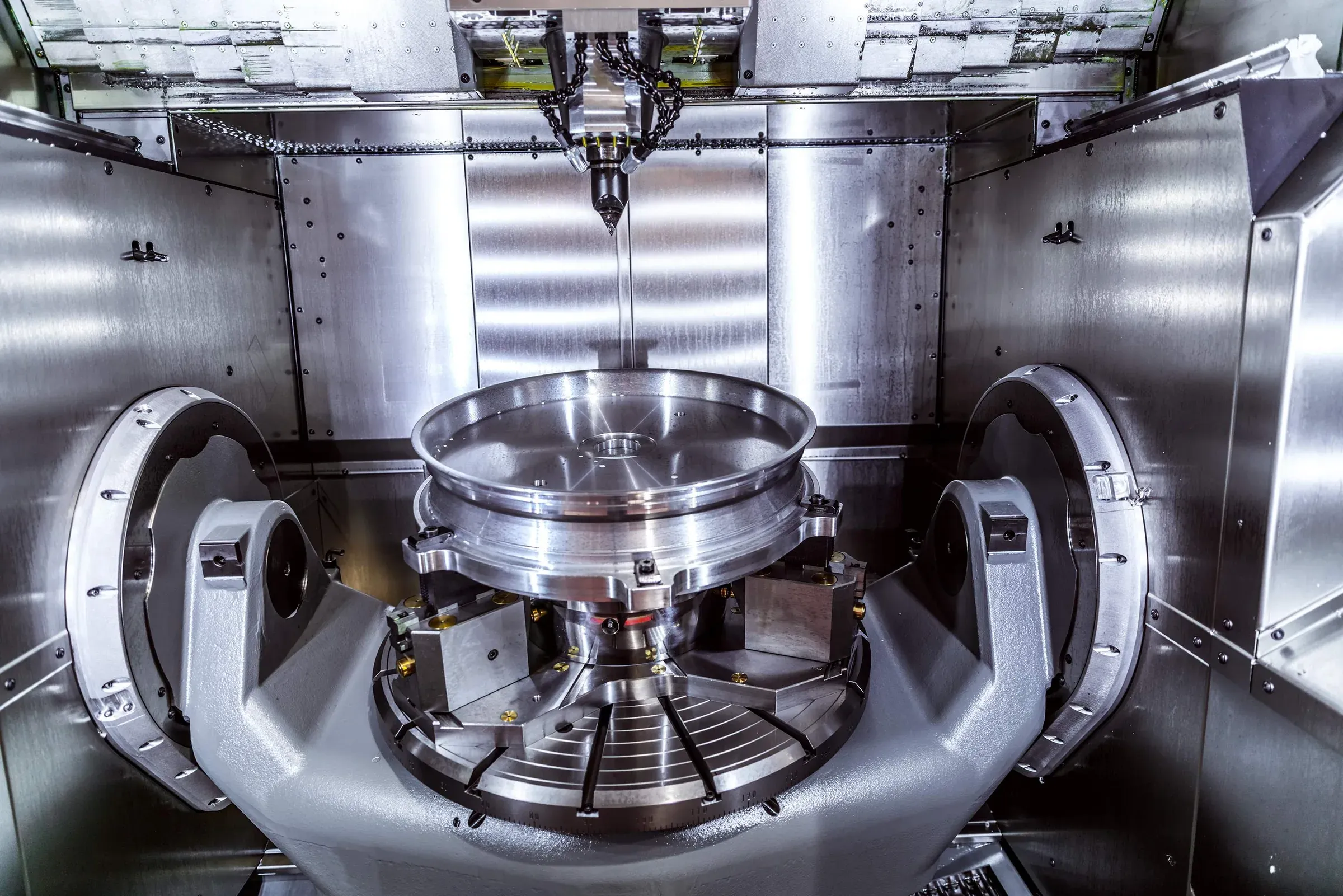
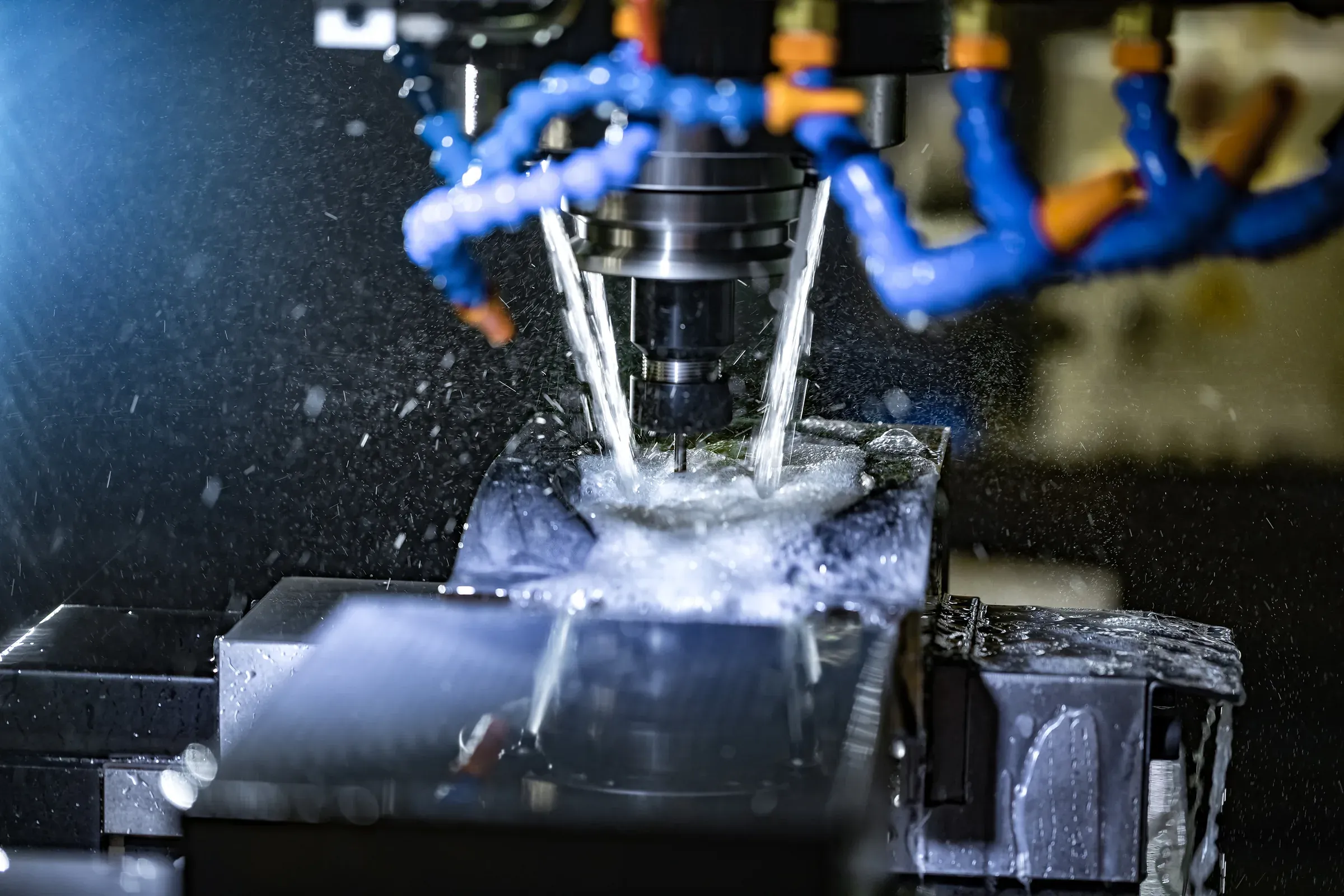
In milling, the workpiece is held stationary and a rotating cutting tool removes material, moving across multiple axes (3, 4 or 5). Because the tool can approach from many directions, milling suits prismatic parts — blocks, brackets, housings, plates — as well as pockets, slots, holes and complex 3D geometry. Milltech's milling cell runs 3, 4 and continuous 5-axis machines, holding tolerances as tight as ±0.005 mm.

How does CNC turning work?

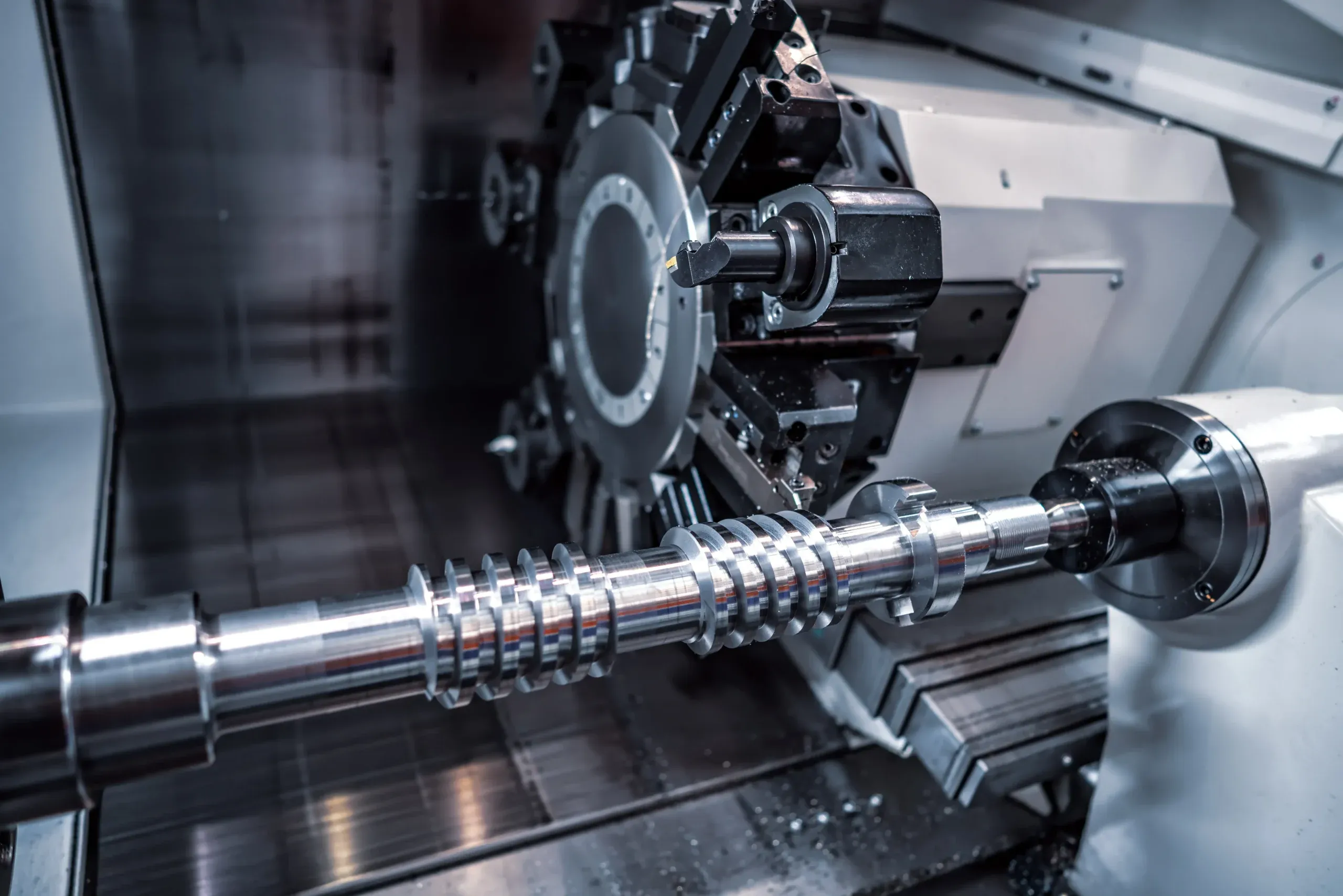
In turning, the relationship is reversed — the workpiece rotates at speed against a fixed cutting tool. This makes turning the natural choice for cylindrical, axially symmetric parts: shafts, bushes, pins, spindles, fittings and bar-fed components. Turning holds fine tolerances — down to ±0.005 mm where required — and produces excellent surface finishes on round features.

Which process does your part need?

A simple rule of thumb:

  • Round and symmetric → turning.
  • Prismatic or complex geometry → milling.
  • Both features on one part → mill-turn (below).

Most real components are not purely one or the other — a turned shaft may need milled flats, keyways or cross-drilled holes.

What is mill-turn, and when do you need it?

Mill-turn machines combine turning and milling in one setup, often with a sub-spindle that machines the back face too. That means a part with both turned and milled features is completed in a single operation — fewer setups, better accuracy and shorter lead time. Milltech runs mill-turn and sub-spindle turning centres for exactly these parts.
FAQ

Frequently asked questions

What is CNC milling?

A process where the workpiece is fixed and a rotating cutting tool removes material, moving across multiple axes. It suits prismatic parts, pockets, slots, holes and complex 3D shapes.

What is CNC turning?

A process where the workpiece rotates at speed against a fixed cutting tool. It suits cylindrical and round parts — shafts, bushes, pins, fittings and bar-fed components.

When do you use milling versus turning?

Use turning for round, axially symmetric parts and milling for prismatic parts or complex geometry. Many parts need both — for example a turned shaft with milled flats or cross-holes.

What is mill-turn machining?

Mill-turn combines turning and milling on one machine, often with a sub-spindle, so a part is fully machined in a single setup. It completes complex parts in fewer operations, improving accuracy and lead time.

Does Milltech offer both milling and turning?

Yes. Milltech runs 3, 4 and 5-axis milling and a broad range of turning centres, including mill-turn and sub-spindle machines, across a fleet of 40+ CNC machines.

Your project — our precision

Start your project

Send your drawings, quantities and materials. Our team returns a competitive quote and lead time — typically within 24–48 hours.