





Hydraulic and pneumatic valves look similar and do a similar job. The difference comes down to one property of the fluid inside them — and it changes everything about how the body is machined.
What is the actual difference?
A hydraulic valve controls a liquid, normally oil. A pneumatic valve controls compressed air. That is the whole distinction, and every other difference follows from it.
The property that matters is compressibility. Oil does not meaningfully compress; air does. Push on a column of oil and it transmits the force almost instantly and holds it. Push on a column of air and it springs — it stores energy, then releases it.
How does that change the system?
| Hydraulic | Pneumatic | |
|---|---|---|
| Working fluid | Oil | Compressed air |
| Typical pressure | High | Low by comparison |
| Force for a given size | High | Lower |
| Positioning | Precise, holds load | Springy, harder to hold mid-stroke |
| Speed | Slower | Fast |
| If it leaks | Fluid escapes, and it makes a mess | Air escapes |
Hydraulics move heavy things accurately and hold them there. Pneumatics move light things quickly and cheaply. Most machines that do both use both.
Why do hydraulic valve bodies need more machining accuracy?
Because pressure is unforgiving. Three things follow:
- Bore fit and finish. A spool or poppet moves inside a bore, and the fluid is trying to get past it. At hydraulic pressure, a bore that is slightly oversized, tapered or roughly finished becomes an internal leak path — the valve still moves, but it bleeds pressure and the circuit goes soft.
- Wall thickness and distortion. The body has to contain the pressure without flexing. Material has to be left where it carries load, and clamping during machining must not distort what is being cut.
- Sealing faces. Where the valve mounts, the face has to be flat enough for the seal to work against it.
Pneumatic bodies still need to be accurate — but air at lower pressure is a far more forgiving thing to contain than oil at high pressure.
Which does your application need?
Ask what the actuator has to do:
- Hold a load, position precisely, or produce high force from a compact actuator — hydraulic.
- Move quickly, weigh little, cost less, and tolerate some springiness — pneumatic.
- Work in an environment where escaping oil is unacceptable — usually pneumatic, unless force requirements rule it out.
Who machines valve bodies for both?
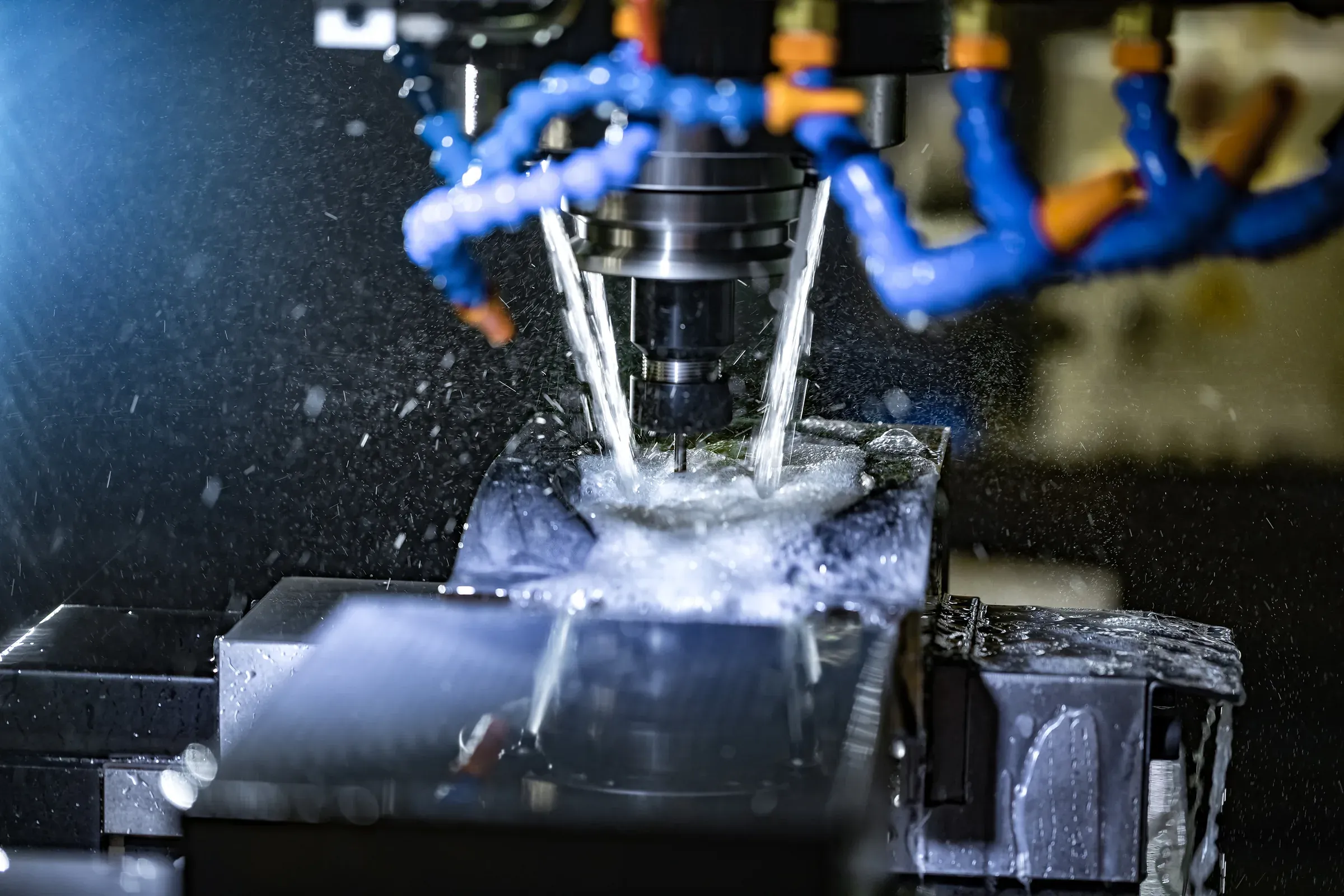
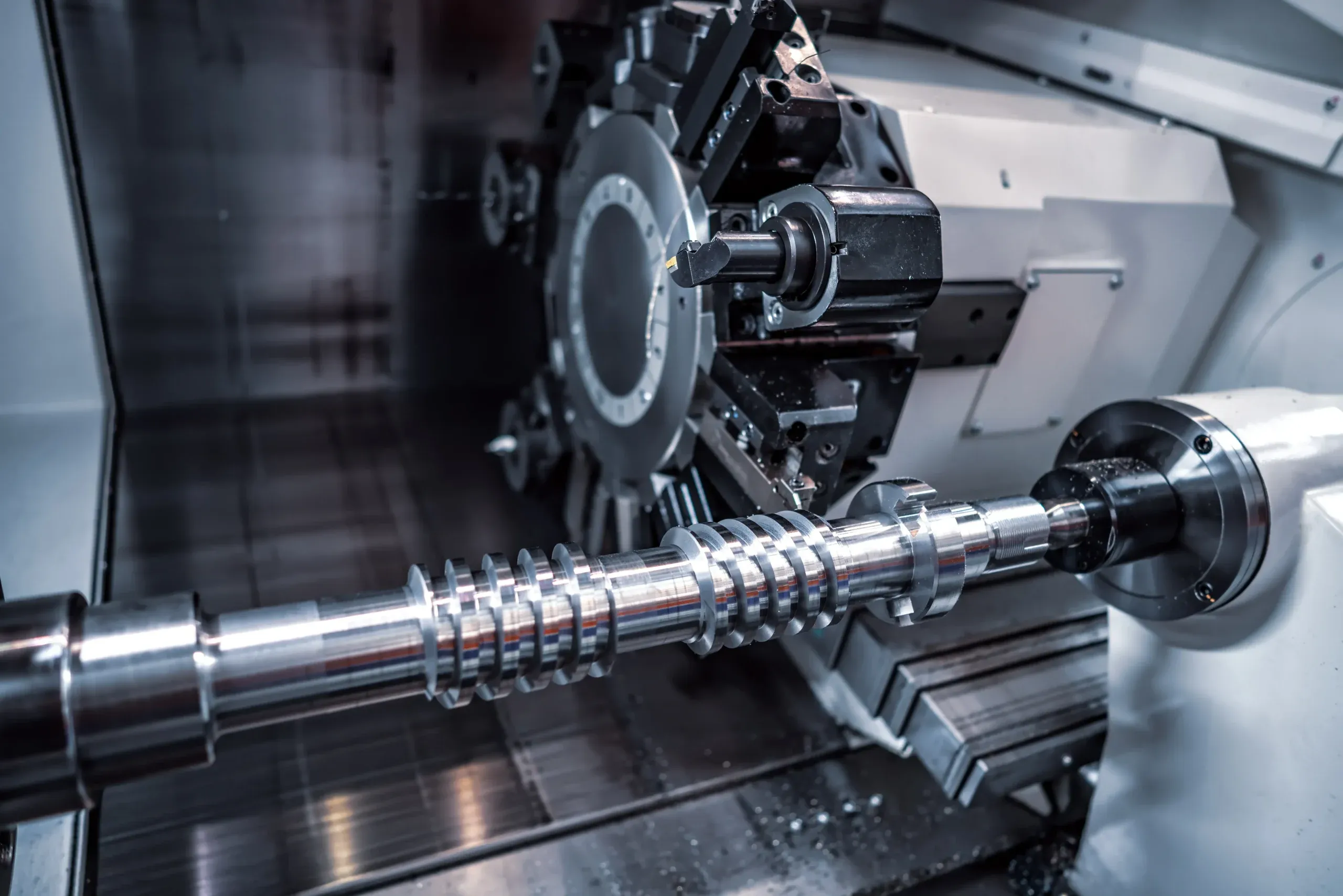
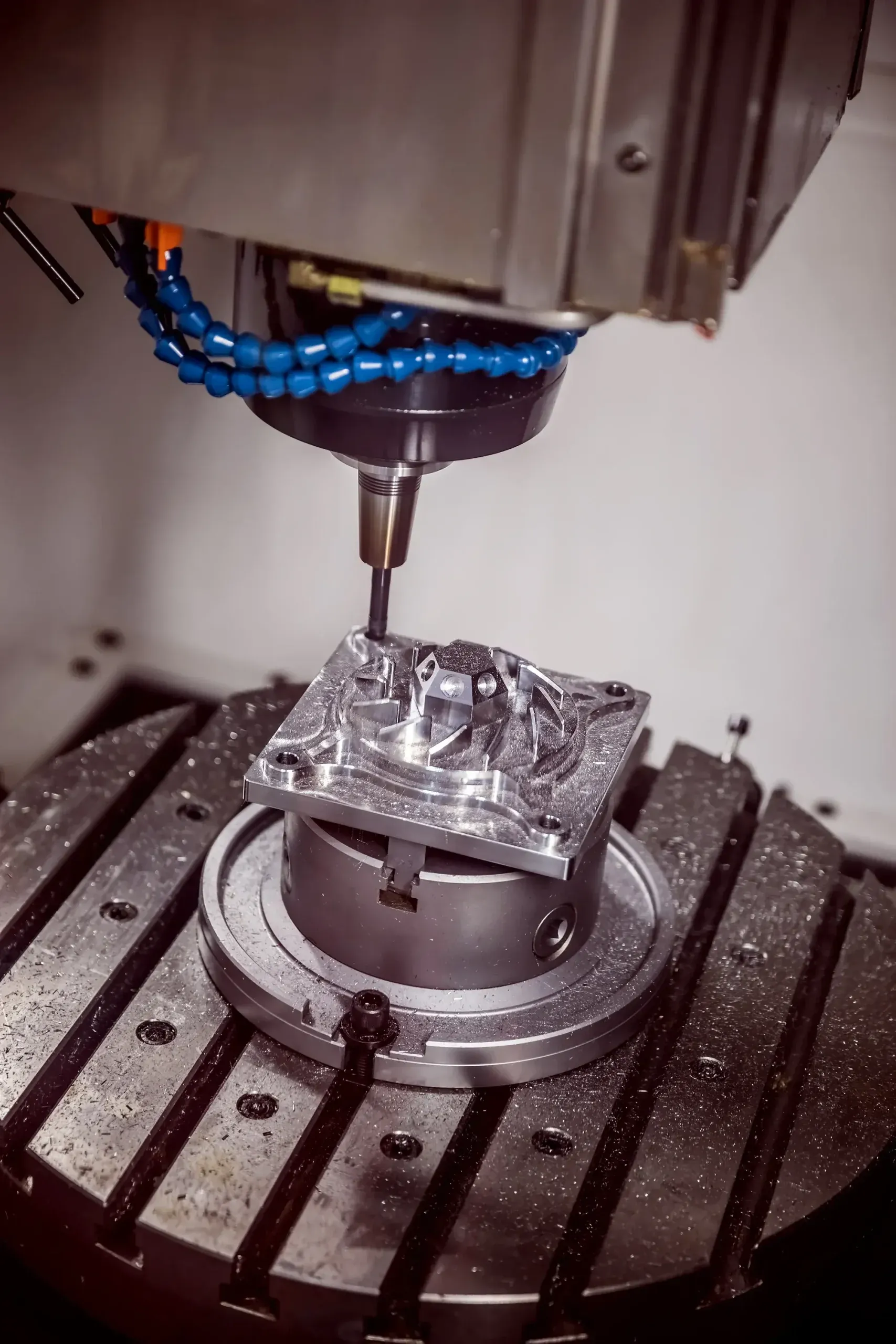
Milltech manufactures industrial hydraulic and pneumatic valves and manifolds — including directional valves, manifold bodies, valves and fittings, and pistons — in a dedicated facility running 24/7.
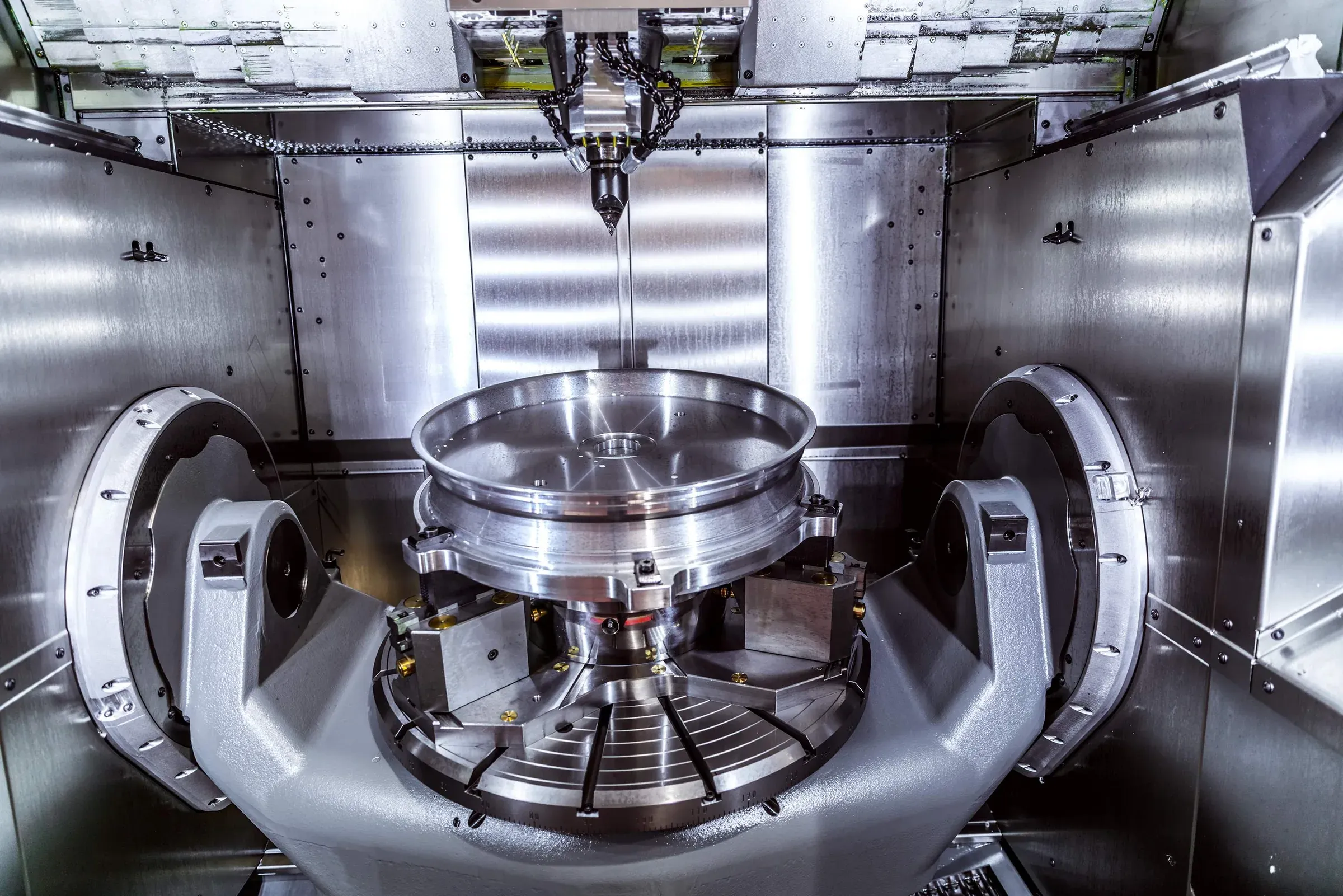
The cell runs two Matsuura H-Plus 300 machines with a horizontal multi-pallet changer, monitored by Matsuura RiMM, so medium-to-high-volume bodies stay consistent batch to batch. Materials are matched to duty — stainless for oil and gas, iron and bronze for subsea and renewables — and bodies are CMM-inspected and assembled in-house under an ISO 9001:2015 quality system.