






A hydraulic manifold looks like a plain metal block. Almost everything that makes it work is inside it, drilled where you cannot see — which is exactly why it is a machining job rather than a fabrication one.
What is a hydraulic manifold?
A hydraulic manifold is a solid block of metal with a network of passages drilled through it. Valves bolt to its faces; hoses and pipes connect to its ports. Instead of running a separate pipe between every pair of components, the fluid travels inside the block, along passages that cross and connect where the circuit needs them to.
One block therefore replaces a loom of pipes, hoses and fittings. That is the whole point of it.
Why use a manifold instead of pipework?
Four reasons, and they compound in demanding applications:
- Fewer joints. Every threaded joint in a hydraulic system is a place it can leak. A manifold moves the connections inside the metal, so most of them stop existing.
- Compactness. A block a few inches across can carry a circuit that would otherwise need a cubic foot of pipework.
- Vibration. Pipes flex, chafe and fatigue. A solid block does not.
- Serviceability. A valve can be unbolted and replaced without cutting into pipework or draining a system further than necessary.
How is a manifold body machined?
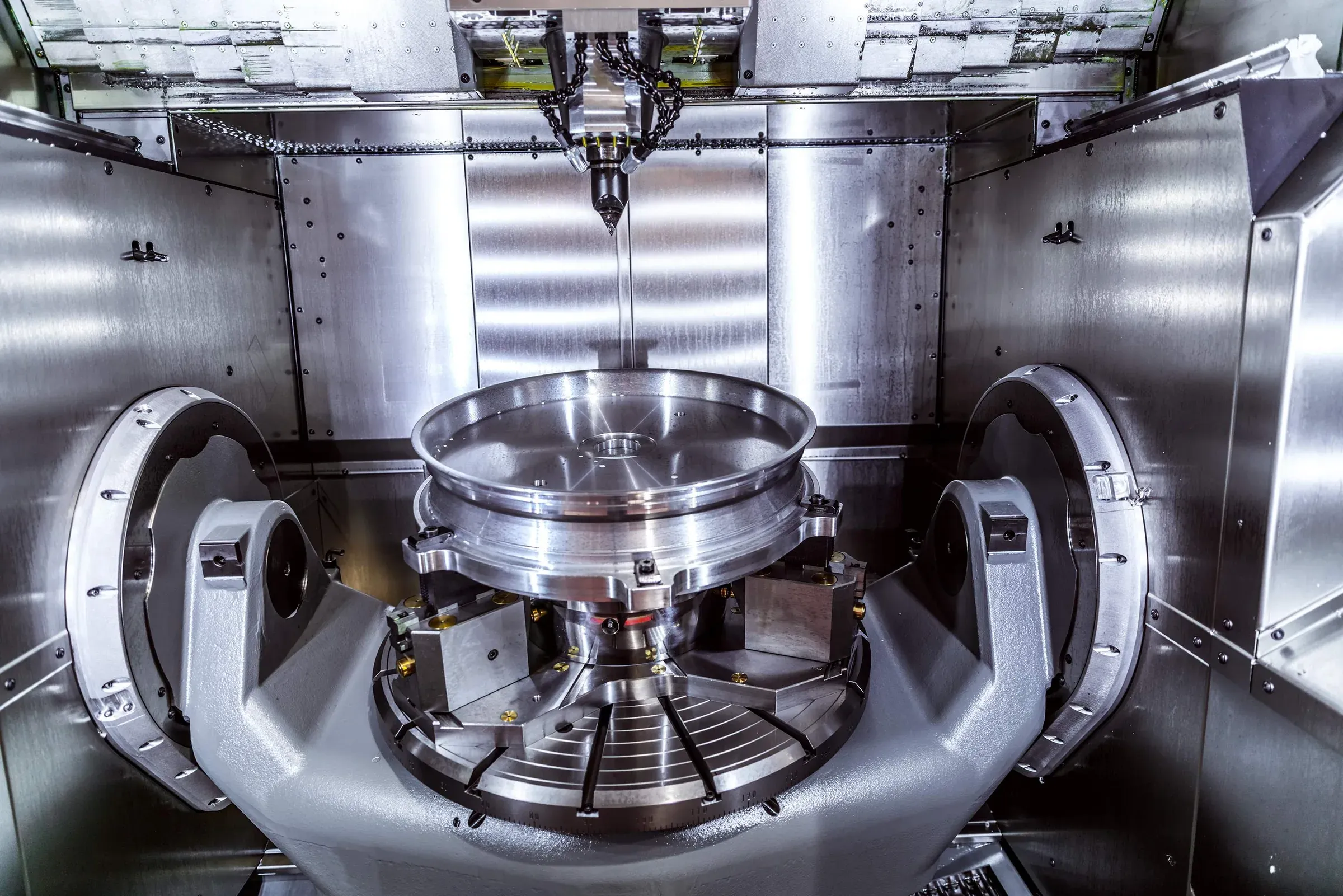
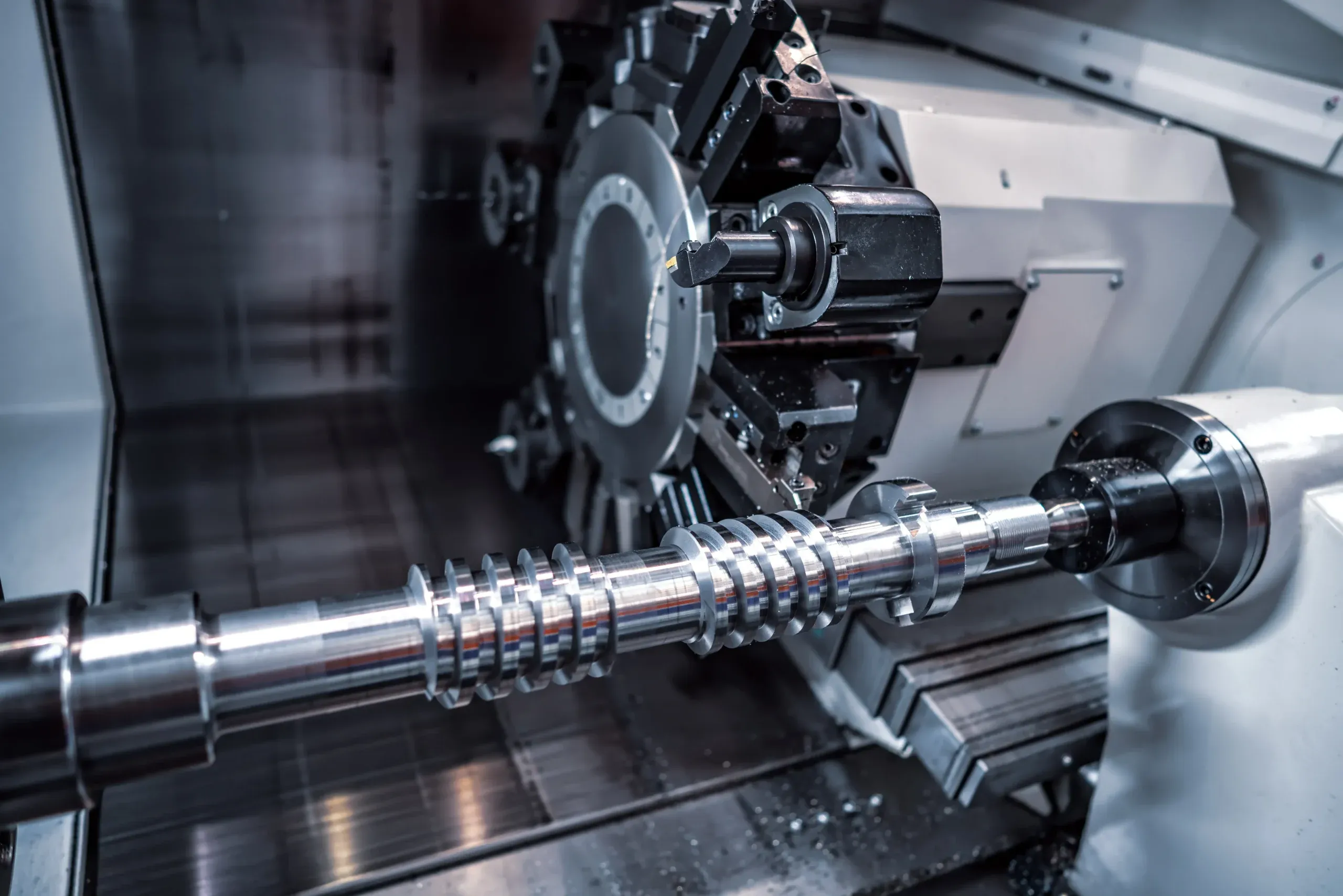
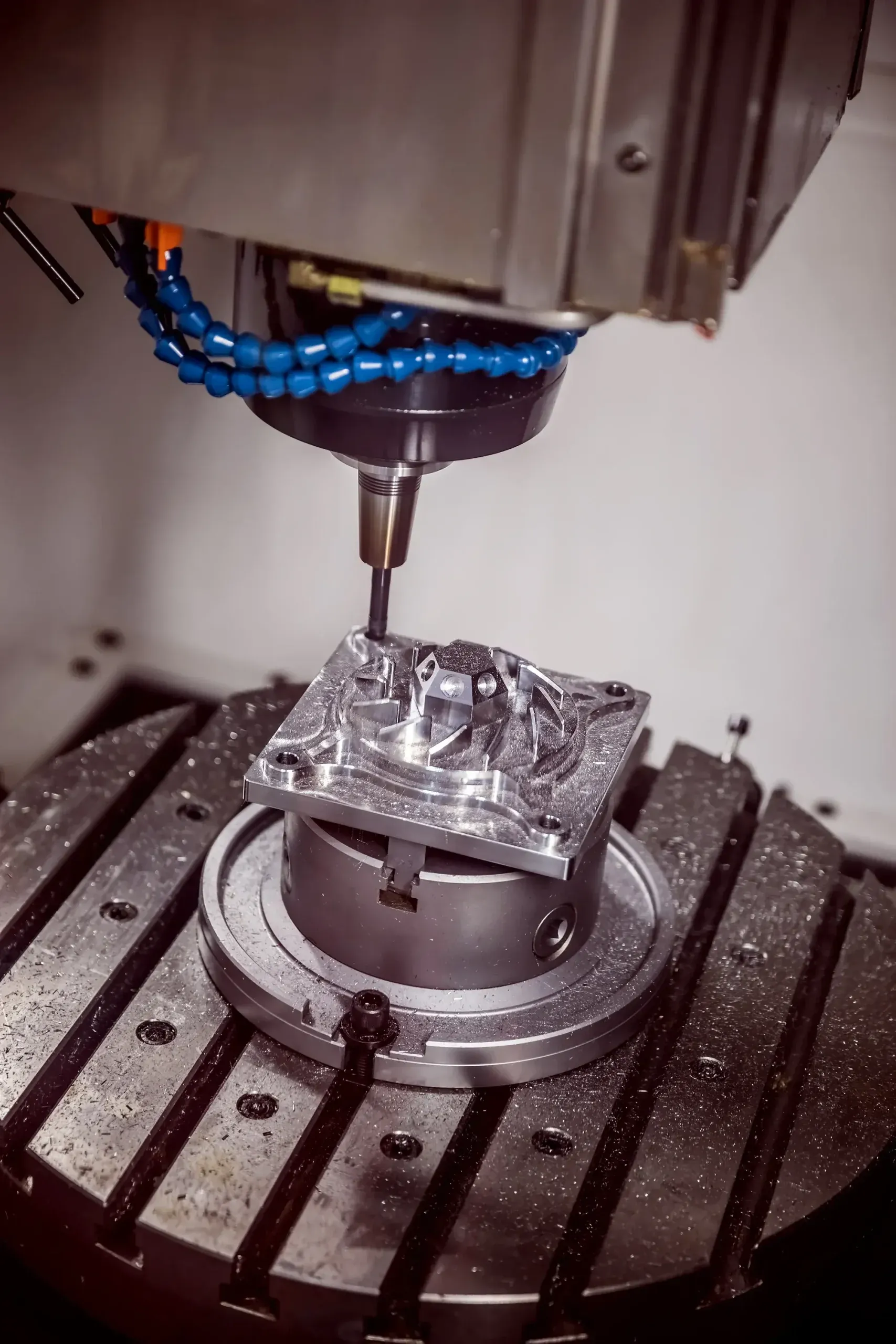
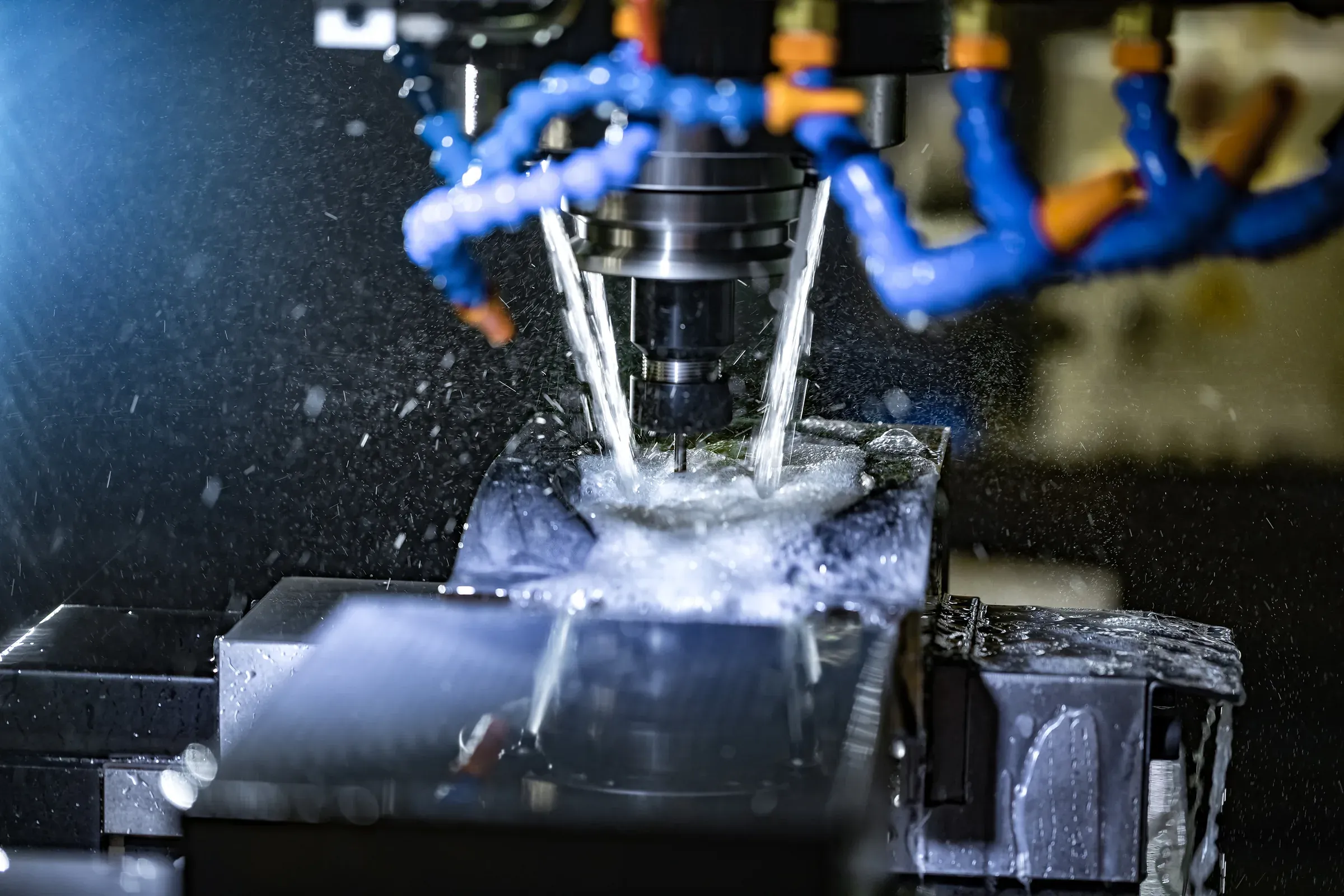
From solid. The block is faced and squared, the mounting faces are machined flat for the valves that will seal against them, the ports are bored and threaded, and then the passages are drilled — often from several directions, crossing inside the block to link the circuit.
That cross-drilling is what makes manifolds unforgiving. A passage drilled a degree off, or a fraction shallow, may miss the passage it is meant to meet. The block looks finished from the outside and the circuit does not work. Depth, angle and position all have to be right first time, on features nobody can inspect by eye once the block is complete — which is why manifold bodies are verified on a coordinate measuring machine (CMM) rather than checked with hand tools.
What are manifold blocks made from?
The material follows the duty:
- Stainless steel where corrosion resistance is the priority — oil and gas is the common case.
- Iron and bronze for subsea and renewables applications.
- Aluminium where weight matters and the working pressure allows it.
Milltech machines valve and manifold bodies in stainless for oil and gas, and iron and bronze for subsea and renewables, matching the material to the environment the part has to survive rather than to what is easiest to cut.
What makes a manifold hard to produce at volume?
Repeatability. A single manifold is a straightforward, if fussy, machining job. A thousand of them, all sealing, is a production problem: every block needs the same faces, the same intersections and the same finish, batch after batch.
Milltech manufactures industrial hydraulic and pneumatic valves and manifolds in a dedicated facility running 24/7. Two Matsuura H-Plus 300 machines with a horizontal multi-pallet changer keep the spindles cutting — including unmanned overnight — and Matsuura RiMM monitoring watches the cell while it runs. Blocks are CMM-inspected and can be assembled in-house, under one accountable supplier, for oil and gas, subsea, renewables and hydrogen.