





Insights · Capability & tolerances

What is multi-pallet machining and why does it matter for volume?

Last reviewed: 9 July 2026

The short answer

Multi-pallet machining uses a machine with several interchangeable pallets, so parts are unloaded and reloaded while the machine keeps cutting — including unmanned, overnight. It keeps spindles running and makes volume production repeatable. Milltech runs multi-pallet horizontals, including 15-pallet Matsuura machines.

When a buyer asks whether a subcontractor can handle volume, the answer is usually in the machines. Multi-pallet machining is what makes repeatable, cost-effective production work. Here is how.

What is multi-pallet machining?

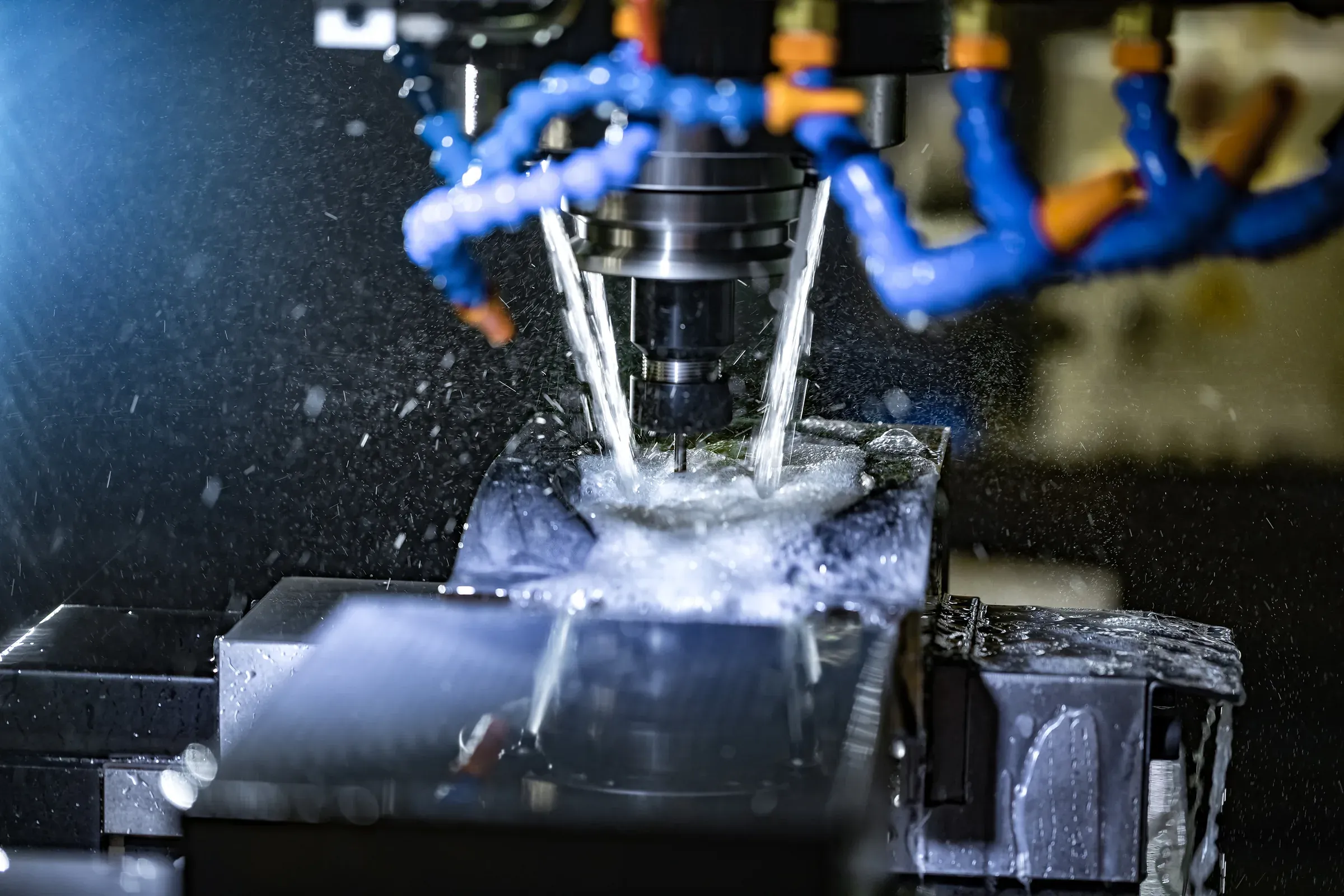
A multi-pallet machine has several interchangeable pallets that rotate in and out of the cutting area. While the machine works on one pallet, an operator (or an automated system) unloads finished parts and loads new blanks onto the others. The result is that the spindle keeps cutting instead of sitting idle during loading — the single biggest waste in machining.

How does it enable unmanned running?

Because a queue of pre-loaded pallets feeds the machine automatically, it can keep running when no one is there — overnight and at weekends. With machine monitoring watching the process, a shop can turn loaded pallets into finished parts through the night, dramatically increasing output from the same machine.

Why does it matter for volume production?

Volume economics depend on spindle uptime. A machine that stops after every part to be reloaded is slow and expensive per part; one that runs continuously across a batch is neither. Multi-pallet machining is what makes medium and high-volume production repeatable and cost-effective, with consistent quality across the batch.

What multi-pallet machines does Milltech run?

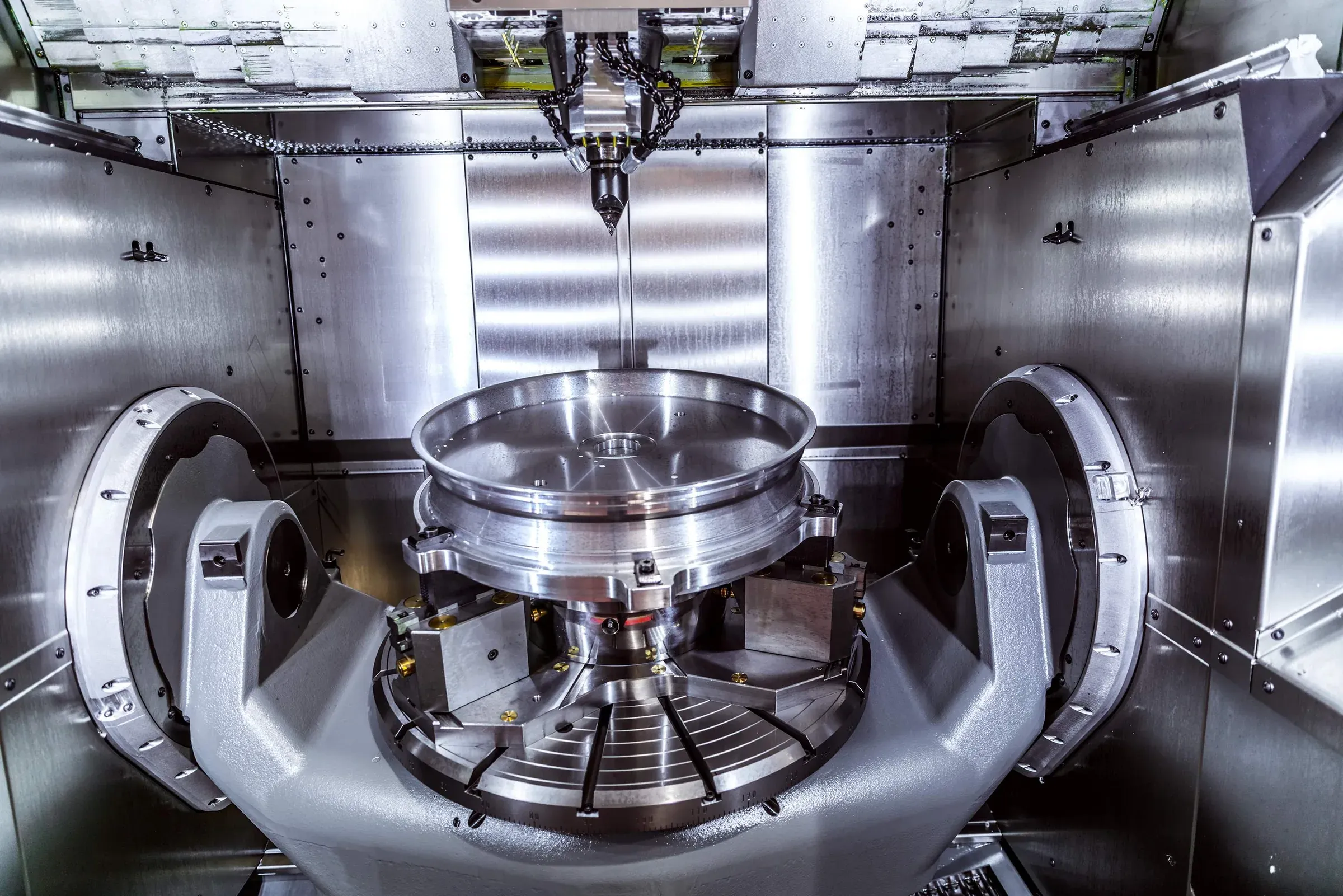
Milltech runs multi-pallet horizontals, including Matsuura HPLUS300 15-pallet machines and Mx330 5-axis multi-pallet machines, among a fleet of 40+ CNC machines — plus a dedicated valve and manifold cell running 24/7. That capacity is why Milltech scales from prototype to repeatable production.
FAQ

Frequently asked questions

What is multi-pallet machining?

Machining on a centre fitted with several pallets that swap in and out of the working area. While one pallet is being machined, others are being unloaded and reloaded, so the machine rarely stops cutting.

How does multi-pallet machining run unmanned?

Because a queue of loaded pallets feeds the machine automatically, it can keep cutting through the night and at weekends without an operator loading each part, supervised by machine monitoring.

Why does multi-pallet machining matter for volume?

It maximises spindle uptime and makes repeatable batches efficient. For medium and high-volume work, keeping the machine cutting rather than waiting for loading is what makes the economics and lead times work.

What is a horizontal machining centre?

A milling machine with a horizontal spindle, well suited to multi-pallet automation and to clearing chips on deep or heavy cuts. Horizontals are common in high-productivity, higher-volume machining.

What multi-pallet machines does Milltech run?

Milltech runs multi-pallet horizontals including Matsuura HPLUS300 15-pallet machines and Mx330 5-axis multi-pallet machines, as part of a fleet of 40+ CNC machines.

Your project — our precision

Start your project

Send your drawings, quantities and materials. Our team returns a competitive quote and lead time — typically within 24–48 hours.