






Insights · Capability & tolerances

What is mill-turn machining?

Last reviewed: 9 July 2026

The short answer

Mill-turn machining combines turning and milling on one machine, so a part is turned and milled in one setup, often with a sub-spindle finishing the back face. This completes complex parts in fewer operations, improving accuracy and lead time. Milltech runs mill-turn and sub-spindle turning centres.

When a turned part also needs milled features, mill-turn machining makes it in one operation instead of two. Here is how it works and why engineers specify it.

What is mill-turn machining?

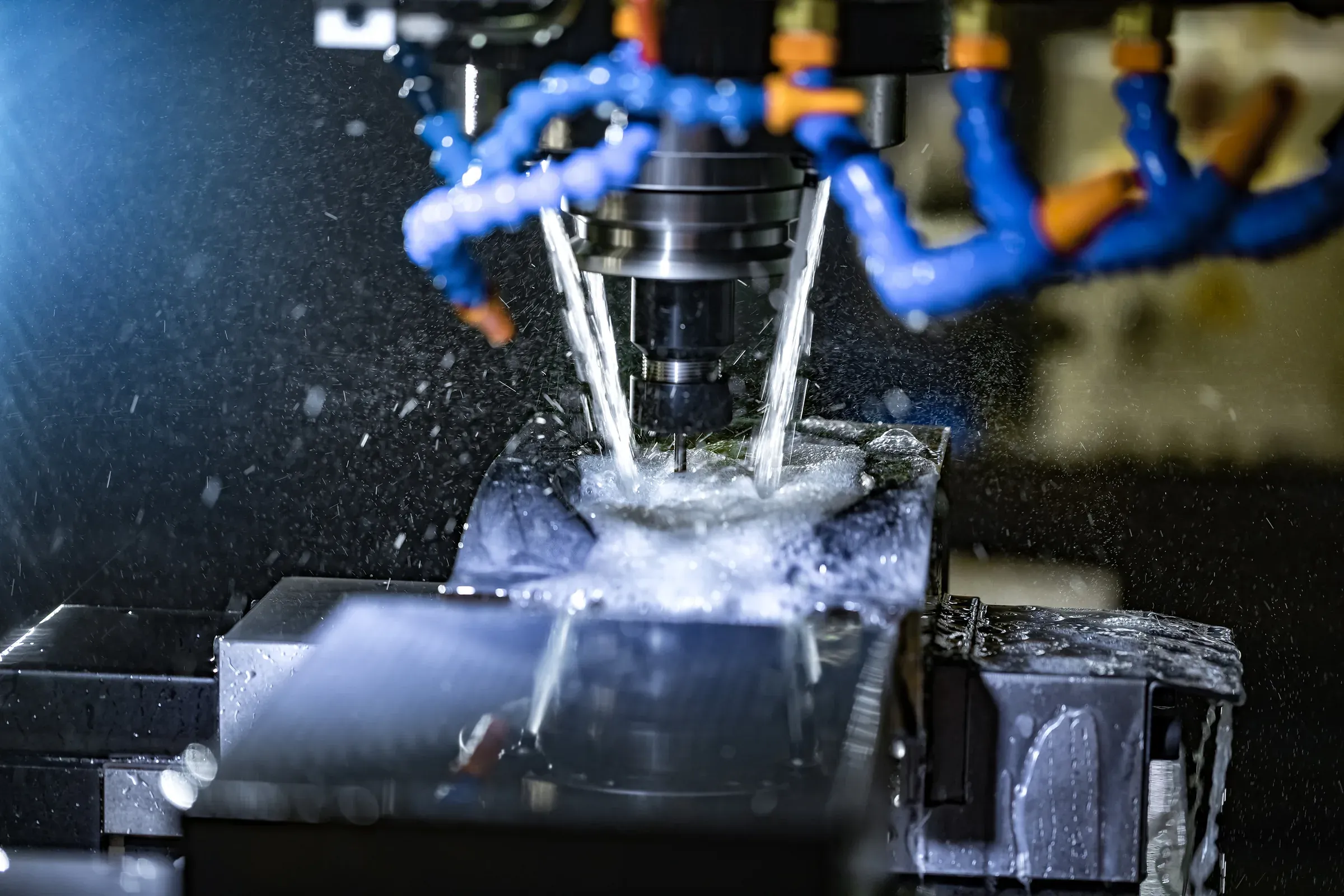
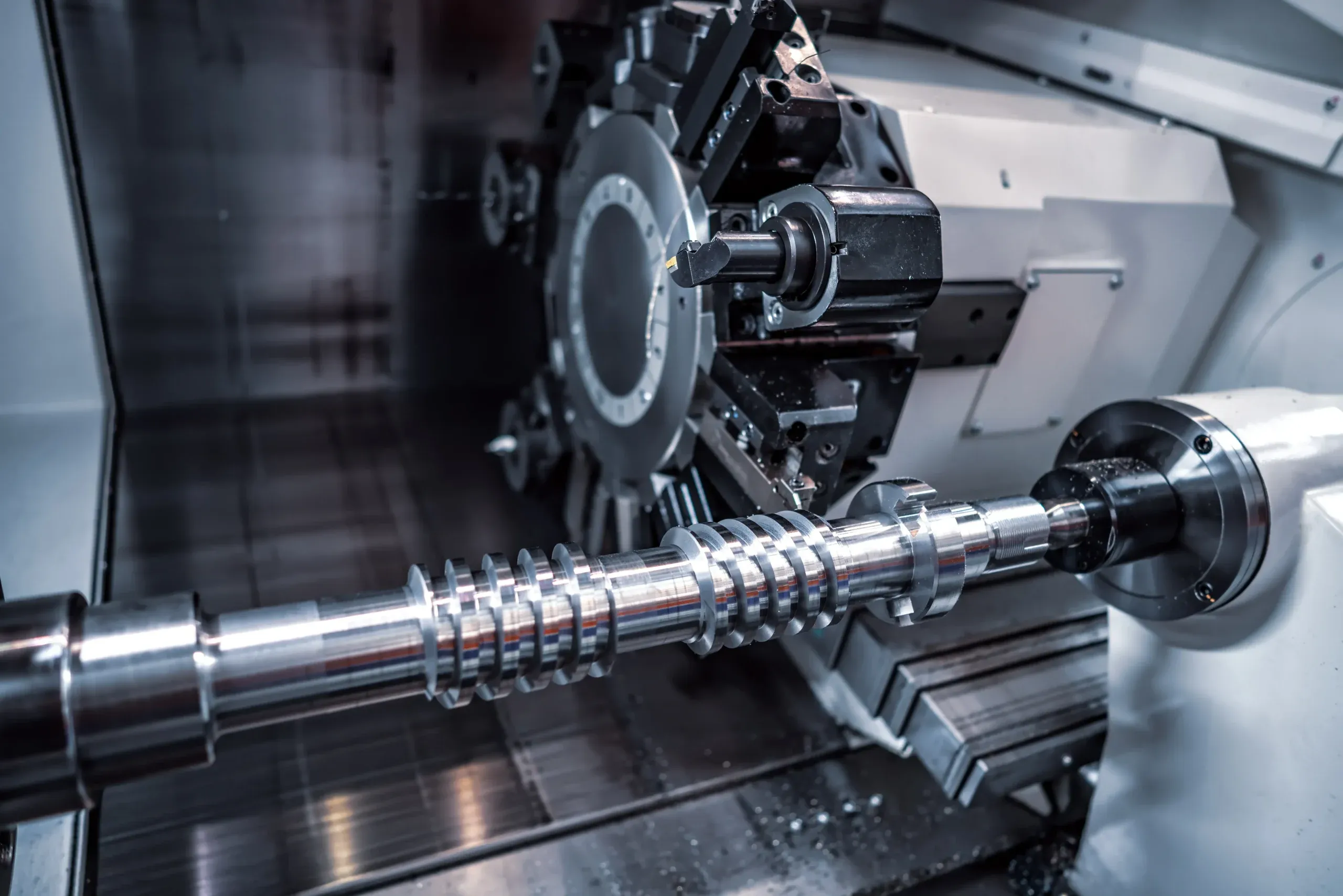
Mill-turn combines two processes on one machine. The workpiece rotates as in normal turning, but the machine also carries driven (powered) tools that can mill, drill and tap while the part is held — so turning and milling happen in the same setup. Instead of turning a part on a lathe and then moving it to a mill for its flats and cross-holes, the whole component is machined complete in one cycle.

How does a sub-spindle help?

Many mill-turn machines add a sub-spindle — a second spindle that receives the part from the main spindle and machines its back face in the same cycle. That removes the final separate operation entirely: the part comes off the machine finished, both ends complete.

Why does mill-turn improve accuracy and lead time?

Two reasons, and they compound:

  • Accuracy — every time a part is re-fixtured on a new machine, small errors can be introduced. Machining in one setup keeps features in perfect relation to each other.
  • Lead time — fewer setups and no inter-machine handling means the part is finished faster, which matters most at volume.

What parts suit mill-turn machining?

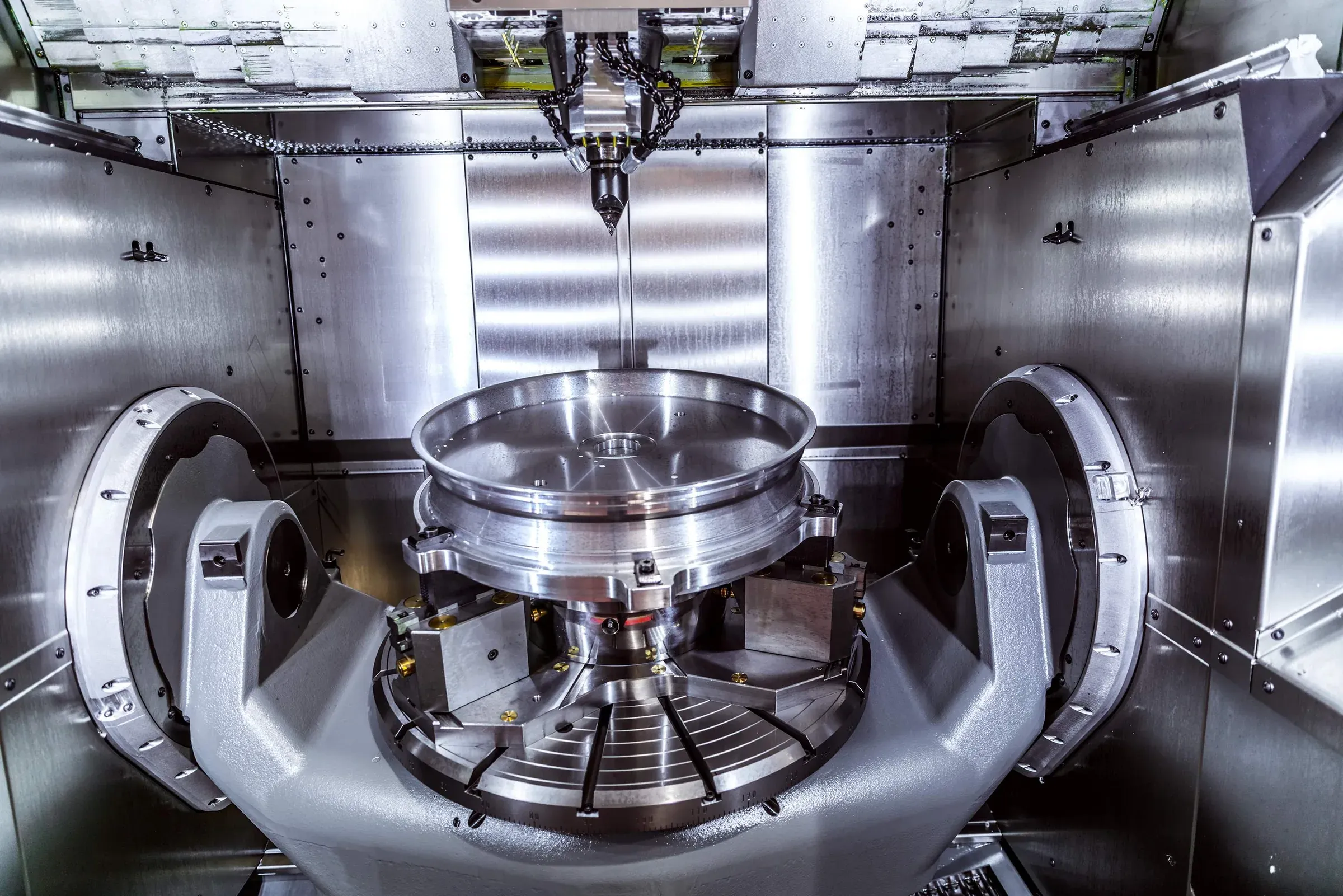
Any complex turned part that also needs milled detail — manifolds and valve bodies, shafts with flats or keyways, fittings with cross-holes, and threaded components. Milltech runs multi-axis mill-turn and sub-spindle turning centres from makers including Doosan, Mazak, Biglia and Star, so these parts are completed efficiently and accurately.
FAQ

Frequently asked questions

What is mill-turn machining?

A process that combines turning (the workpiece rotates against a tool) and driven milling tools on a single machine, so both operations are performed in one setup rather than moving the part between machines.

What is a sub-spindle?

A second spindle that takes the part from the main spindle to machine its back face in the same cycle. It lets a component be finished complete, with no separate second operation.

Why does mill-turn improve accuracy and lead time?

Because the part stays in one machine and fewer setups are needed. Every re-fixture risks error and adds handling time, so doing more in one operation improves accuracy and shortens lead time.

What parts suit mill-turn machining?

Complex turned parts that also need milled features — flats, keyways, cross-holes, threads or off-axis detail — such as manifolds, valve bodies, shafts and fittings.

Does Milltech offer mill-turn machining?

Yes. Milltech runs multi-axis mill-turn and sub-spindle turning centres from makers including Doosan, Mazak, Biglia and Star, as part of a 40+ machine fleet.

Your project — our precision

Start your project

Send your drawings, quantities and materials. Our team returns a competitive quote and lead time — typically within 24–48 hours.