





Insights · Capability & tolerances

What is precision CNC machining?

Last reviewed: 9 July 2026

The short answer

Precision CNC machining is computer-controlled machining that produces components to tight tolerances — commonly a few hundredths of a millimetre or finer — with high, inspection-verified repeatability. Milltech machines to ±0.005 mm, CMM-verified, across a fleet of 40+ machines.

"Precision CNC machining" appears on every machine shop's website — but what actually makes machining precision, and how tight is precise? Here is a clear answer.

What is precision CNC machining?

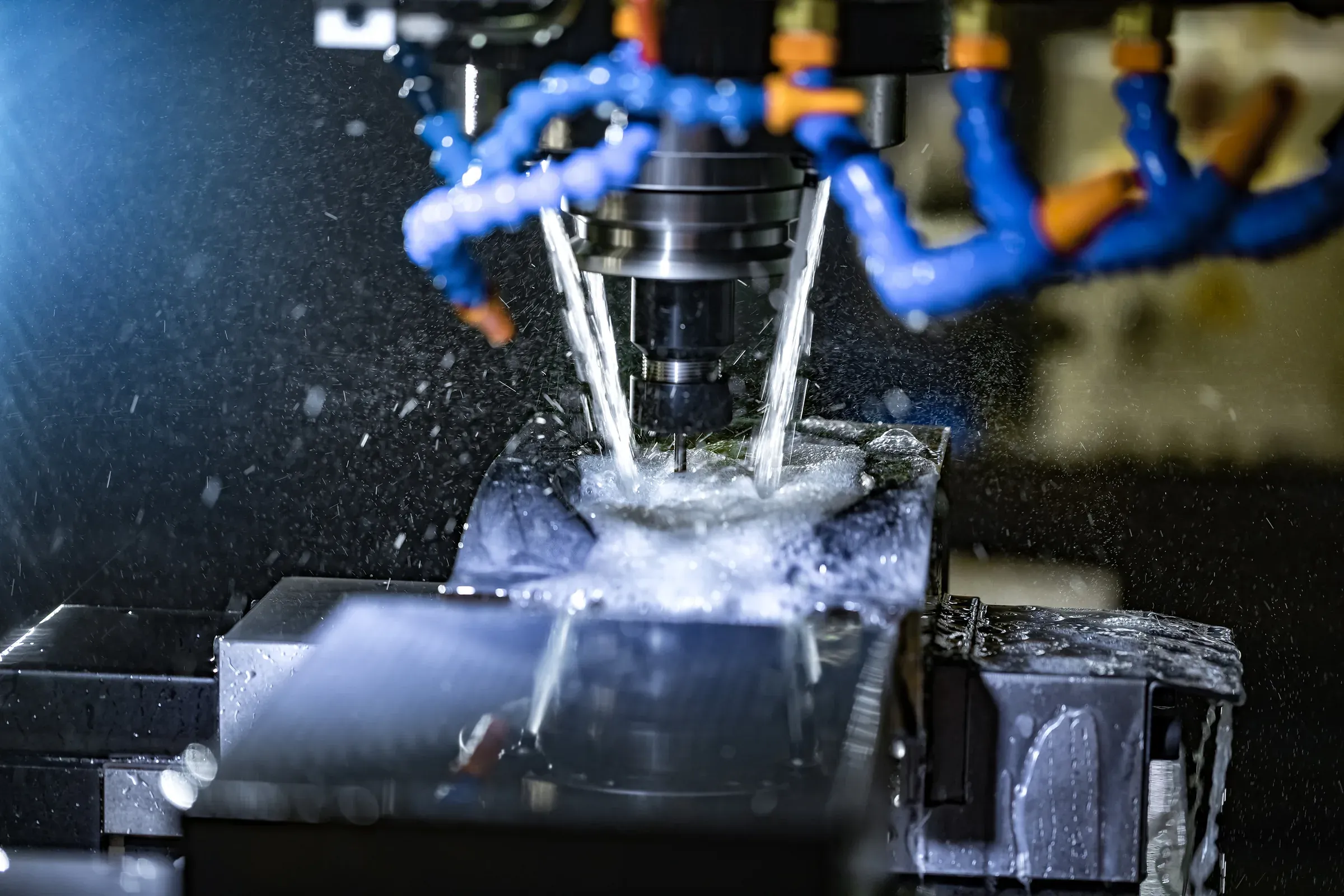
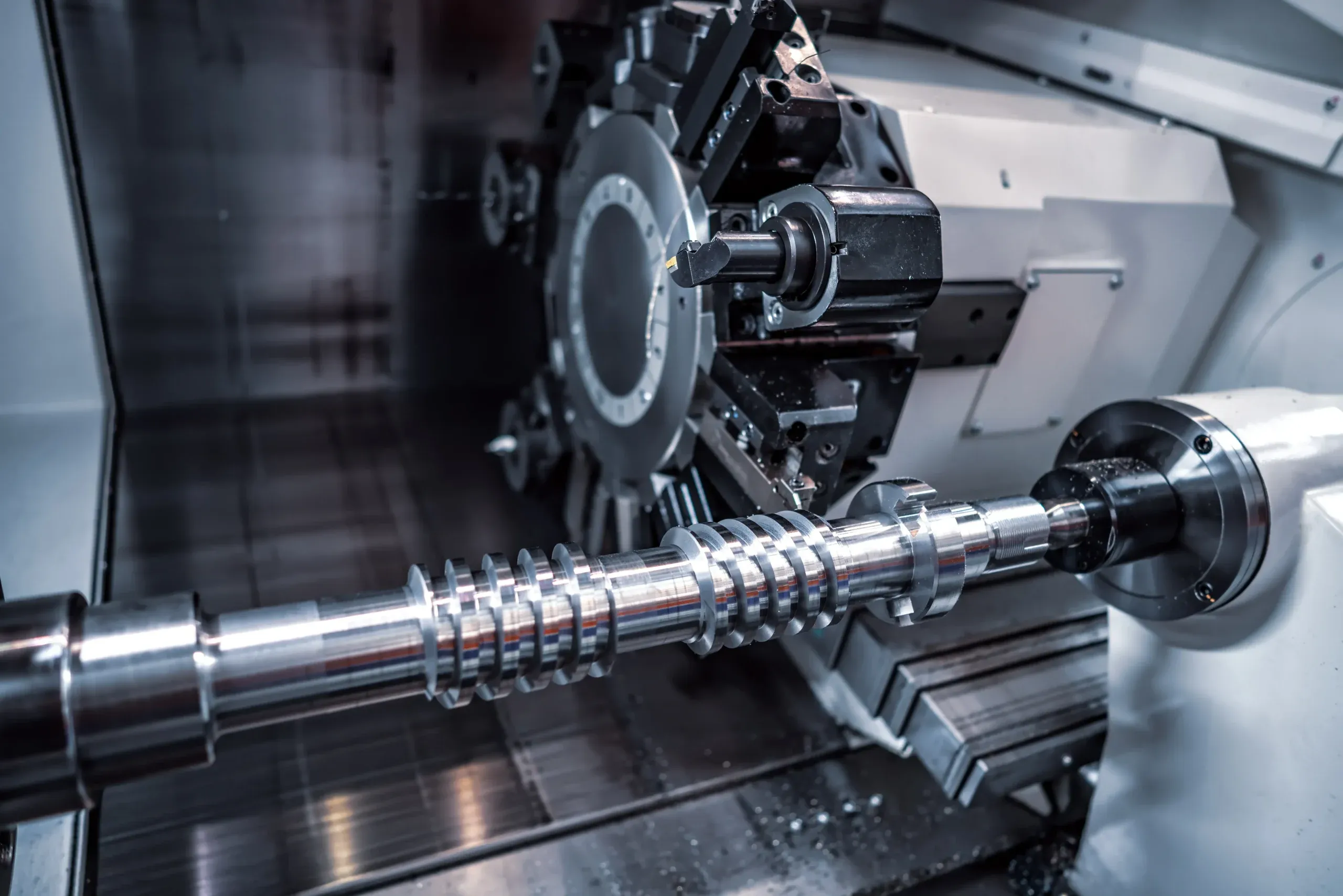
Precision CNC machining is computer-controlled machining that produces components to tight tolerances with high repeatability. CNC — Computer Numerical Control — means the machine follows a programmed path automatically, moving the tool and workpiece precisely and reproducing that path identically on every part. "Precision" adds the requirement that the results are close-tolerance, verified and repeatable.

What makes machining 'precision'?

Three things separate precision machining from general machining:

  • Tolerance — how closely the part matches the drawing (often a few hundredths of a millimetre or finer).
  • Verification — the tolerance is measured and proven, typically by CMM inspection.
  • Repeatability — the same result is achieved on every part in the batch.

A shop that holds tight tolerances but can't prove or repeat them is not doing precision work.

How tight are precision tolerances?

It depends on the process and material. Precision milling and precision turning can hold tolerances as tight as ±0.005 mm (±0.0002") where the application demands it. What makes the number meaningful is that it is CMM-verified — measured against the drawing, not assumed.

What precision machining does Milltech offer?

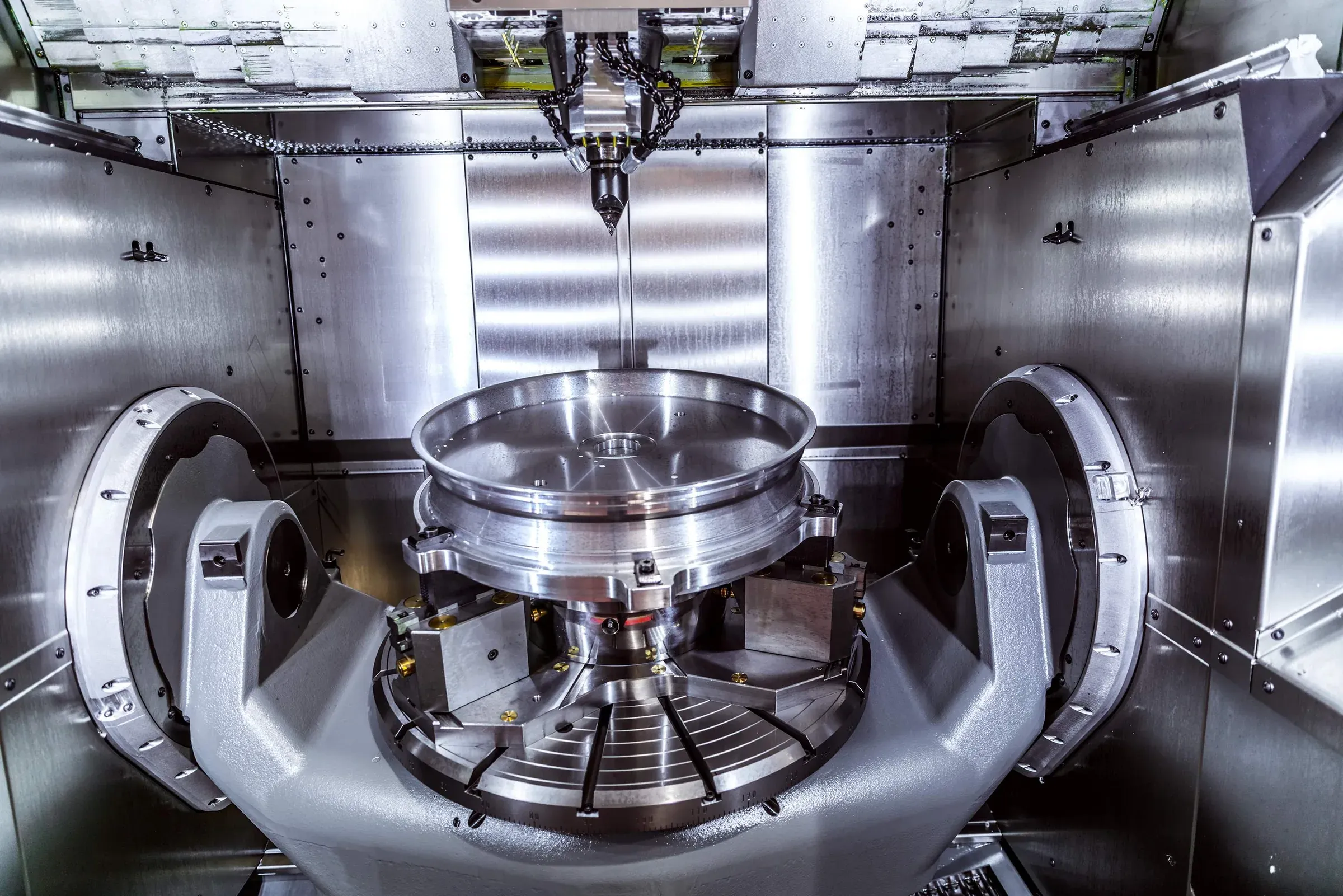
Milltech offers 3, 4 and 5-axis CNC milling and CNC turning to ±0.005 mm, all CMM-verified, across a fleet of 40+ CNC machines. Work runs from a single prototype to repeatable production, with full material and process traceability.
FAQ

Frequently asked questions

What does CNC stand for?

CNC stands for Computer Numerical Control. The machine follows a programmed path automatically, moving the tool and workpiece with high precision and repeating it identically part after part.

What makes machining precision rather than general?

Tighter tolerances, verified inspection and repeatability. Precision machining holds close tolerances (often a few hundredths of a millimetre), proves them with measurement, and reproduces them consistently across a batch.

How tight are precision machining tolerances?

It varies by process and material. Milltech mills and turns to tolerances as tight as ±0.005 mm where required — all verified by CMM inspection.

Why is repeatability important in precision machining?

Because most parts are made in batches. A tolerance held on one part is only useful if it is held on every part, so repeatability — the same result every time — is central to precision machining.

What precision machining does Milltech offer?

Milltech offers 3, 4 and 5-axis CNC milling and CNC turning to ±0.005 mm, CMM-verified, across a fleet of 40+ machines, from prototype to production.

Your project — our precision

Start your project

Send your drawings, quantities and materials. Our team returns a competitive quote and lead time — typically within 24–48 hours.